Top-rated lead testing and removal specialists.

Best lead testing and removal specialists near Pueblo, CO

Enter your zip and get matched with up to 5 pros

Need a pro for your lead testing and removal project in Pueblo, CO?

Select your specific project to find the pro for you.

Top-Rated Lead testing and removal specialists in Pueblo - Updated Nov 2026

Avatar for Axium Inspections & Radon Mitigations
Axium Inspections & Radon Mitigations
4.8(
164
)
Toxic Lead - AbatementToxic Lead - Testing

Serving Pueblo, CO and surrounding areas

In business since 2007

Free estimates

Emergency services offered

"This was the 3rd time I’ve used Axium (specifically Tim Krapfl) for home inspection. Tim is very thorough, knowledgeable, and professional! I highly recommend. Tim did the home inspection, but the services also included sewer scope and radon testing."
Additional Photos
Additional Photos
Additional Photos
Additional Photos
Additional Photos

+113

Recommended by98%of homeowners
Avatar for PowerHouse Paint and Coatings
PowerHouse Paint and Coatings
4.0(
6
)
Toxic Lead - AbatementToxic Lead - Testing

Serving Pueblo, CO and surrounding areas

In business since 2005

Credit card accepted

"Cameron arrived and finished garage floor epoxy job on time, showed sample finishes for selection, explained process and schedule, was easy to work with, performed work at a fair price, and finished job looks really nice.  We chose the "pewter" (gray) finish without added flecks or non-skid grit.  Finishing a floor with epoxy takes several days due to necessary acid etching, rinsing and drying of floor, epoxy coat, clear coat over epoxy, and 72 hour curing of epoxy/clear coat before use.
"
Additional Photos
Additional Photos
Additional Photos
Additional Photos
Additional Photos

+23

Recommended by66%of homeowners
Belfor Property Restoration
New to Angi
Toxic Lead - AbatementToxic Lead - Testing

Serving Pueblo, CO and surrounding areas

In business since 2000

Free estimates

Credit card accepted

Call Belfor Property Restoration for an experienced commercial and residential restoration, We handle all fire and flood insurance claims including all disaster recovery service and remodeling professional you can trust. We have built a solid reputation in the community for our outstanding attention to detail and superior customer service

Lead Testing and Removal FAQs, answered by experts

If your home was built before 1978, there’s a chance that any paint on your hardwood floors could be lead paint—especially if it was already there when you moved in. Because lead is toxic, hiring a licensed pro to remove it is mandatory. The average price for professional lead paint removal ranges from $1,500 to $5,300 and depends on the scope of the project.

While not all homes built before 1978 contain lead paint, enough do, so you’ll still want to test to be on the safe side. The federal government banned lead-based paint for homes in 1978, but your state may have banned lead before that time. Around 24% of homes built between 1960 and 1977 contained lead-based paint, while 87% of homes built before 1940 contained lead-based paint.

Professional lead removal involves identifying and safely removing or encapsulating lead-based paints and materials, using specialized equipment, and following strict safety procedures to minimize exposure and contamination.

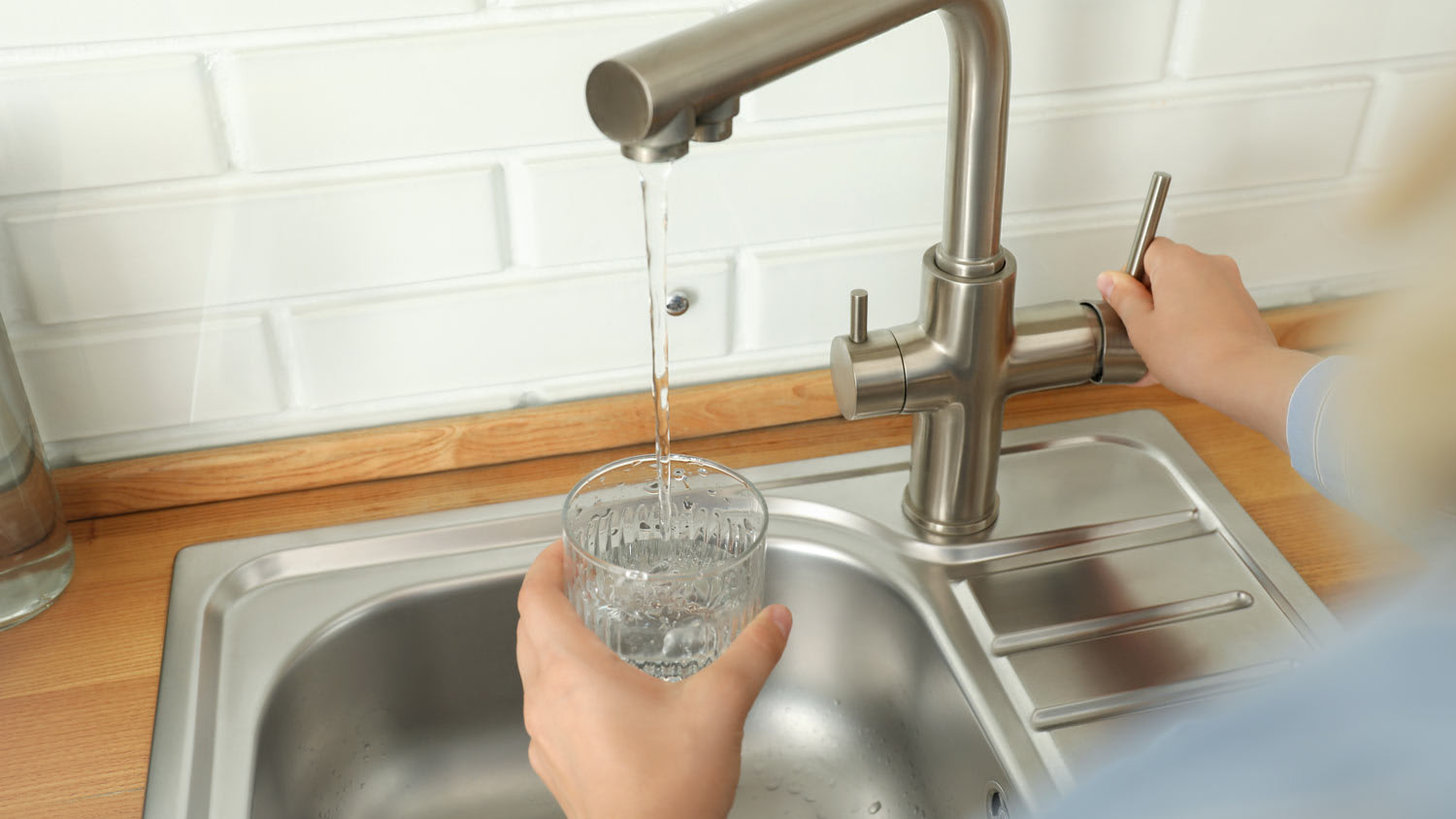
Several different measurements may be used to determine the amount of lead in water. The most common unit of measurement is micrograms per liter (µg/L), which is the same as parts per billion. Another measurement is milligrams per liter (mg/L), which is the same as parts per million.

According to the Environmental Protection Agency (EPA), hazardous waste is generally classified into four main categories:

1. Characteristic Wastes: These exhibit at least one of four hazardous traits: ignitability (flammable, like gasoline), corrosivity (can rust or decompose materials, like car batteries), reactivity (unstable and can explode, like aerosol cans), or toxicity (harmful when ingested, like lead-based paint).

2. Listed Wastes: These are specific wastes from manufacturing and industrial processes that the EPA has officially designated as hazardous. They include byproducts from processes that use solvents, pesticides, and other chemicals.

3. Universal Wastes: These are commonly generated hazardous items that are subject to streamlined regulations. Examples include batteries, pesticides, mercury-containing equipment (e.g., bulbs), and some lamps.

4. Mixed Wastes: This category includes waste that contains both hazardous and radioactive components, making it subject to regulation by both the EPA and the Nuclear Regulatory Commission.


The Pueblo, CO homeowners’ guide to lead testing and removal services

From average costs to expert advice, get all the answers you need to get your job done.