



Top-rated tree service pros.

Best tree service pros near Norwood, CO

Enter your zip and get matched with up to 5 pros

Need a pro for your tree service project in Norwood, CO?

Select your specific project to find the pro for you.

Top-Rated Tree service pros in Norwood - Updated Nov 2026

Avatar for Lorax Tree Service
Lorax Tree Service
4.9(
24
)
Tree RemovalTree Removal - For BusinessTree Stump - Remove+3 more

Serving Norwood, CO and surrounding areas

In business since 2018

Free estimates

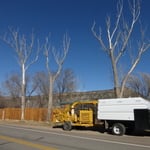
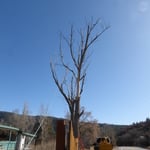
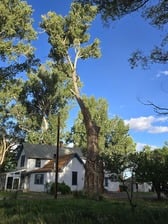
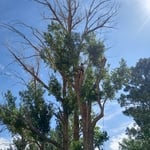
"I was extremely happy with the work of Lorax Tree Service. Very hard working, diligent, and did exactly as he promised. Very easy to recommend this company. They totally removed 6 trees over 70' tall and pruned about a dozen orchard trees. Work was safely done and showed a tremendous amount of expertise!"
Arrival
In progress
In progress
In progress
Taking a look

+3

Response time7 hrs
Response rate86%
Recommended by100%of homeowners
Avatar for Uprooted Tree Care
Uprooted Tree Care
5.0(
8
)
Tree RemovalTree Removal - For BusinessTree Stump - Remove+5 more

Serving Norwood, CO and surrounding areas

In business since 2024

Free estimates

Emergency services offered

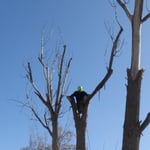
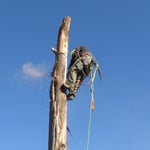
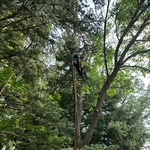
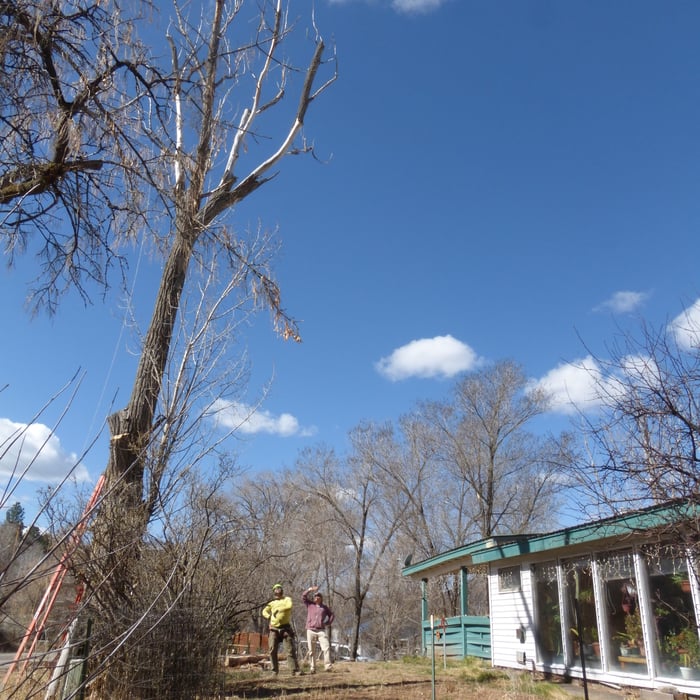
"No project was to big for Robert! I had total of 6 tall elm trees that Robert and his company was able to service , four that needed to be taken down and two that needed to be trimmed. All the trees were in bad shape with YEARS of growth and neglect, many hanging over my, my neighbors homes, power lines and street area. Robert mentioned that he does his work climbing and with ropes. It was amazing to watch, my neighbors enjoyed the free entertainment during the project. It was very obvious that Robert enjoyed his work. Was able to perform the service like a master surgeon, taking down each branch, limb, and trunk with the greatest of care and skill. Robert was my highest bidder for the job, however it was his professionalism that sold the job. He really cares for each tree, it's health and growth. Robert provided the necessary documents to assure me that he was able to handle the job in a safe and responsible manner. With good communication we were able to meet the needs of removing and providing some of the wood for personal use. My only concern is some of the larger trunk pieces will be brought down to manageable size . It was a pleasure to have Robert do this work. I will recommend him for any of your tree care. Dennis Maestas Home owner."
Tree Service & Lawn care Management
Tree Service Project

+80

Response time2 days
Response rate100%
Recommended by87%of homeowners
Showing 1-10 of 37
Tree Service FAQs, answered by experts

If executed correctly your tree should survive after being transplanted to a new spot. However, effective transplanting requires six months, careful root pruning, safe transport to the new location, and replanting in prime soil conditions. You’ll also need an appropriately sized root ball for a complete tree transplant. A good rule of thumb is that, for every inch in diameter, your tree’s root ball needs to be around 11 inches. So a tree with a diameter of six inches needs a root ball of approximately 66 inches.

Aside from removing dead or diseased branches, you should prune your trees somewhere between every one and three years. Some people—particularly commercial farmers—prune their apple trees yearly to produce higher yields. This is the best way to promote tree health. That said, the average homeowner can get away with hard-pruning their mature apple tree every other year or every three years. 

If you don’t cut down a dead, dying, or diseased tree, it can become a nesting place for pests like mosquitos, bees, beetles, wasps, fly larvae, and more. Some pests will live in the tree, while others will feed off the decaying wood. Unhealthy trees are also more likely to fall over, potentially injuring people and causing damage to your property.

In most cases, leaving tree roots underground is not a problem if the stump has been removed or ground below the soil. However, some larger roots may decompose, leaving dents in your soil. Additionally, some aggressive trees, including willows, oaks, elms, maples, and poplars may grow back from roots. Large aggressive trees with established root systems are more likely to grow back.

You’ll have to balance up the cost, the value of the tree (sentimental or otherwise), and the risk factors. An experienced arborist will help you understand whether transplanting is likely to be successful. The cost and hassle of transplanting a large, well-established tree are often not worth it, especially if the species is fast-growing and easy to source. The decision depends on the age and species of the tree, the conditions in the new site location, and how careful the company is when digging out and moving the tree.

The Norwood, CO homeowners’ guide to tree services

From average costs to expert advice, get all the answers you need to get your job done.