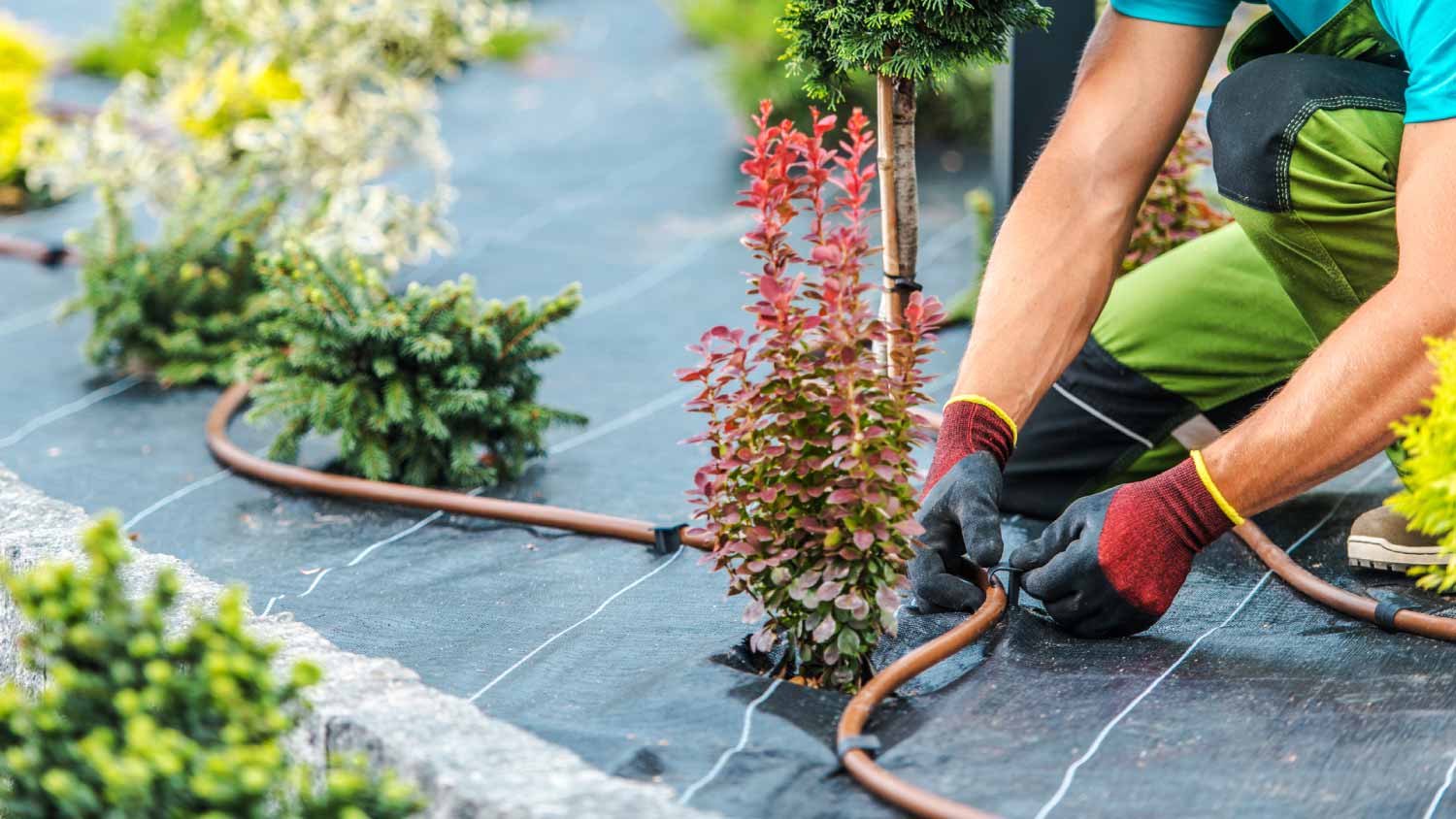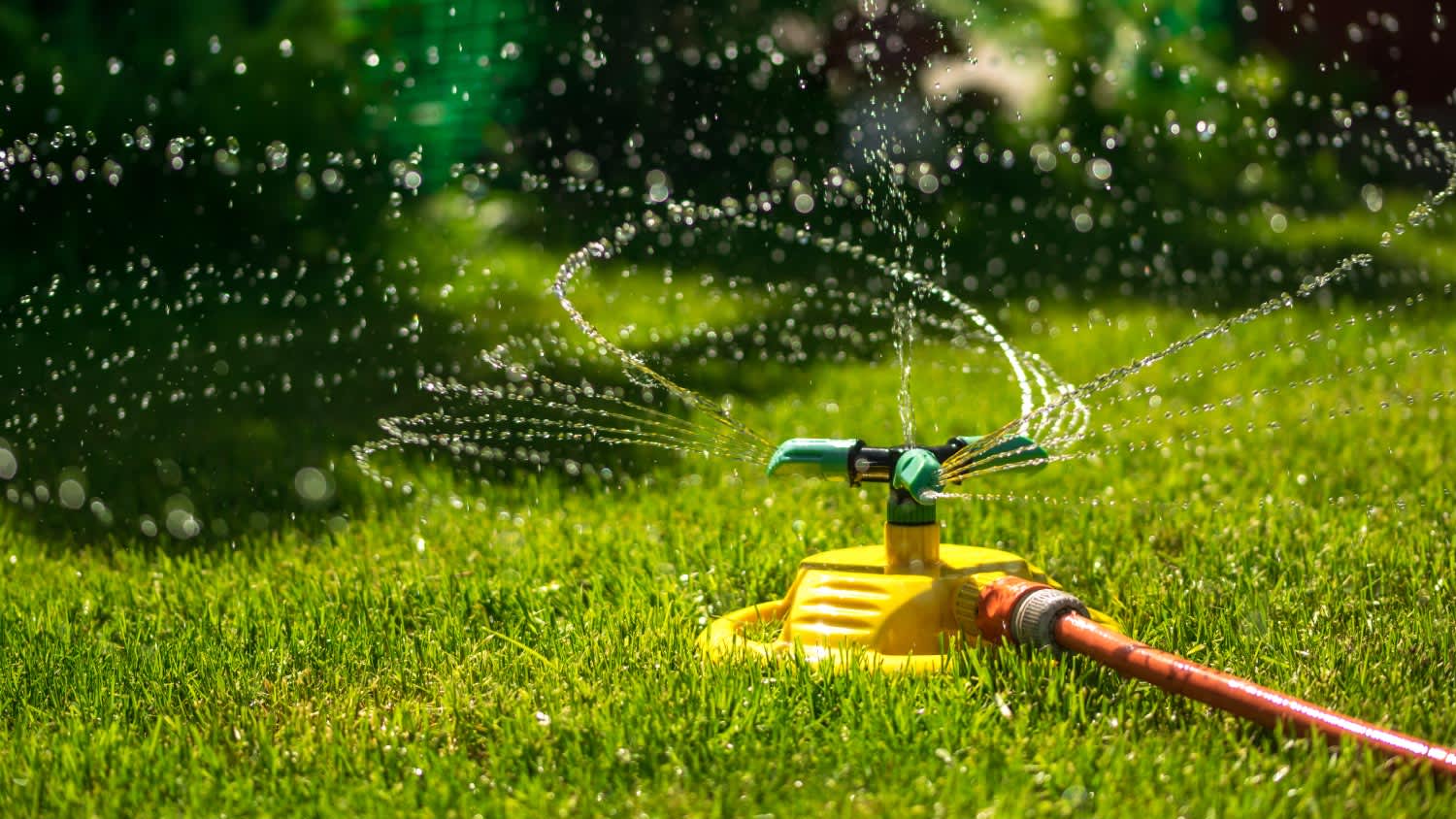



Top-rated lawn irrigation specialists.

Best lawn irrigation specialists near Laporte, CO

Enter your zip and get matched with up to 5 pros

TRUSTED BY LAPORTE, CO HOMEOWNERS

  • Average homeowner rating star icon4.5
    Average homeowner rating
  • Verified reviews icon140
    Verified lawn irrigation services reviews

Top-Rated Lawn irrigation specialists in Laporte - Updated Nov 2026

Avatar for Royal Lawn Care Services
Royal Lawn Care Services
New to Angi
Sprinkler System for Lawn and Garden - Winterize or Activate

Serving Laporte, CO and surrounding areas

Approved

Small jobs welcome

Credit card accepted

Offers commercial services

We are a family owned, local business here in the Aspen Valley and in Denver. With 10+ years of experience. Hoping we can help with any lawn needs you may need for this season. We do anything from lawn mowing to seeding, tree trimming, sod, aeration, irrigation and much more! \n\nWe know that this time around can get busy but we would defiantly love to connect with you and see what your lawn needs are, so we can fulfill them!

Avatar for Landscape Jake
Landscape Jake
New to Angi
Sprinkler System for Lawn and Garden - Winterize or Activate

Serving Laporte, CO and surrounding areas

Approved

Free estimates

Emergency services offered

Warranties offered

At Landscape Jake, we specialize in crafting high-performance outdoor environments that combine natural beauty, engineering precision, and long-term durability. Our work transforms ordinary yards into functional outdoor sanctuaries designed to last generations.\n\nFrom sophisticated residential estates to large-scale commercial landscapes, our team delivers complete design-build solutions with meticulous attention to detail.\n\nWe don’t simply install landscapes.\n\nWe engineer living environments.\n

...
Showing 1-10 of 86
Lawn Irrigation FAQs, answered by experts

Grass will grow back after being sprayed with vinegar. If you’re looking for an alternative to chemical herbicides, vinegar can help you manage weeds. Use a mixture of 1 gallon of white vinegar, 1 cup of salt, and 1 tablespoon of dish soap to spray on your grass. This will kill the grass at the surface while keeping the roots intact, so it’ll eventually grow back. You’ll need to use an herbicide or manually remove the whole root system to get rid of grass for good.

It’s best to fix lawn depressions during late spring. You want to wait until after your last frost date and when the yard is not too wet. This also allows ample time for new grass growth once you reseed.

Start your search for a good lawn care company by finding some landscapers in your area; it might be a good idea to research companies that already work on your block, as they’re more likely to be able to fit you into their schedules, given your proximity. Next, conduct a search online to see if they have positive customer reviews, and try to avoid companies that have poor scores or a history of complaints with the Better Business Bureau. Finally, make sure to ask each company about pricing, contracts, scheduling, and any add-on services.

Water your yard a little more deeply after a drought for about two weeks (while still avoiding overwatering). Continue to water in the early morning hours before 10 a.m. You'll also want to invest in some high-quality fertilizer to get more nutrients to your roots and help them grow back stronger and quicker. Look up your grass and soil type, or do a soil test, to see what type of fertilizer you need.

The best time to plant grass seed depends on your local climate and whether you have cool-season or warm-season grass.

For cool-season grasses (like tall fescue), the ideal time to seed is late summer or early fall (typically August and September). During this period, the soil is still warm from the summer, but the air is cooler, creating optimal conditions for germination and root establishment before winter. There is also less competition from weeds. Spring is a secondary option, but cooler soil temperatures, the risk of a late frost, and less time for the grass to mature before summer heat can make it less successful.

For warm-season grasses (like St. Augustine), the best time to plant is from late spring through mid-summer (typically May and June), when temperatures are consistently between 75 and 90 degrees Fahrenheit.

In general, it is best to avoid seeding during winter or early spring, as cold soil and air can prevent seeds from germinating. For recommendations tailored to your specific grass type and climate, consider consulting a local lawn care professional.

The Laporte, CO homeowners’ guide to lawn irrigation services

From average costs to expert advice, get all the answers you need to get your job done.