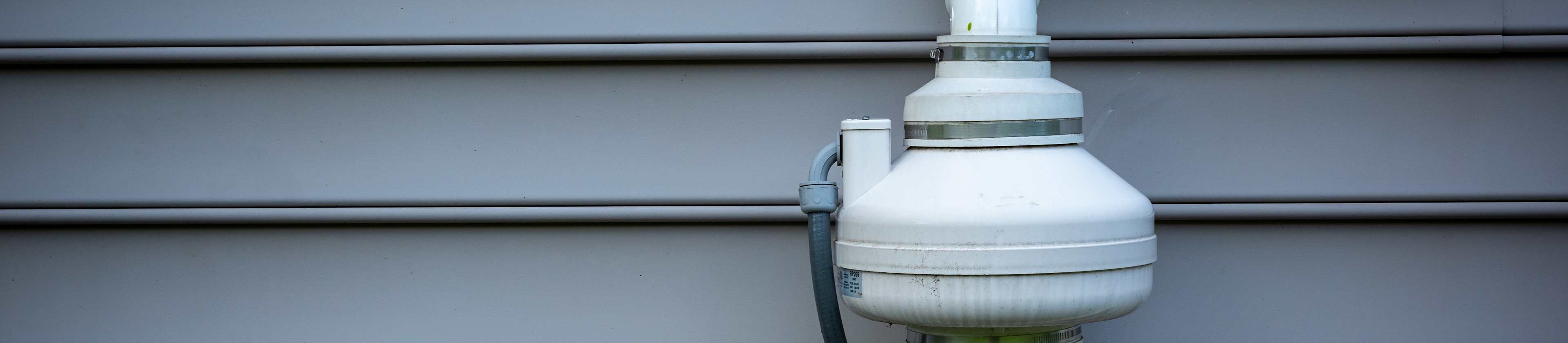
"Bought a house and had a Radon Test done. It came back higher than the recommended EPA levels (I trust and believe in the EPA actually). Got a number of estimates and reviewed some companies. I went with SWAT Environmental as they could schedule weekends. I believe his name was Robert, he showed up on time and completed faster than expected. He answered all of my questions and was open and honest about everything. He was respectful of the property interior and exterior. Overall a great experience and I would recommend SWAT if you need Radon Mitigation."
Thank you for your interest in Meadows All about Inspections, LLC. In business since 1999, we serve the entire state of Colorado with quality home inspections and indoor air quality testing. We are FHA inspection certified. \nPlease give us a call today for a fair inspection. We give free estimates, but will charge a small trip charge over 35 miles.\n
Radon Detection and Reduction questions, answered by experts
Radon is present almost everywhere but, like sunlight, the concentration levels and how often you are exposed to it have a large part to play in just how dangerous it is. There are levels of radon that are acceptable inside a house, but above a certain limit, radon becomes a serious radioactive hazard that is a known cause of lung cancer. In fact, radon exposure is the number two leading cause of lung cancer (after smoking).
The average radon mitigation system uses about 876 kWh of electricity per year, although the exact amount of electricity used will vary depending on the size of the radon fan. Once the system is installed, the annual increase to your energy bill could range from $30 to $300 per year, again depending on the size of the fan.
No level of radon is technically safe, but since it is present everywhere, complete avoidance is impossible. The average radon level in homes across the United States is 1.3 picocuries per liter (pCi/L). The Environmental Protection Agency (EPA) recommends taking preventative measures if your home's radon levels are between 2 and 4 pCi/L or higher.
If your home has a sump pit, you can integrate it with a radon mitigation system. You can accomplish this by sealing the pump cover with an airtight lid that accommodates radon vent pipes and sump pump hoses. This allows the vent pipe to redirect the radon gas outside of your home.
Options include sub-slab depressurization, crawlspace ventilation, and sealing cracks. Choose based on home construction and radon levels.
The Holly, CO homeowners’ guide to radon detection and reduction services
From average costs to expert advice, get all the answers you need to get your job done.
Get clear answers on how much radon remediation costs, including average prices, key cost factors, and tips to save money on your home’s radon mitigation.
Find out what impacts radon testing costs, including average prices for DIY kits and professional services, so you can protect your home and budget confidently.
Radon is a gas that you can't see or smell and is harmful to your health. If your home has radon, you need to know who installs radon mitigation systems.