

Top-rated radon detection and reduction specialists.

Get matched with top radon detection and reduction specialists in Mcclave, CO

Enter your zip and get matched with up to 5 pros

Need a pro for your radon detection and reduction project in Mcclave, CO?

Select your specific project to find the pro for you.

Find Radon detection and reduction specialists in Mcclave

Meadows All About Inspections, LLC
New to Angi

Serving Mcclave, CO and surrounding areas

In business since 1999

Free estimates

Credit card accepted

Thank you for your interest in Meadows All about Inspections, LLC. In business since 1999, we serve the entire state of Colorado with quality home inspections and indoor air quality testing. We are FHA inspection certified. \nPlease give us a call today for a fair inspection. We give free estimates, but will charge a small trip charge over 35 miles.\n

Radon Detection and Reduction questions, answered by experts

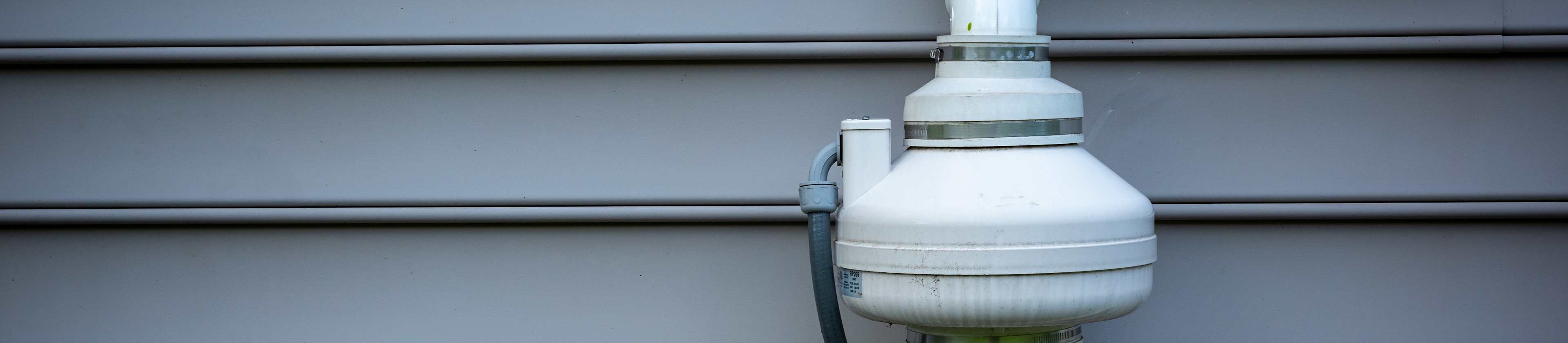
Many radon fans carry a five-year manufacturer's warranty. That said, your radon fan should last between five and ten years. Regular inspections will ensure the fan is operating properly. Unusual or exceptional noise coming from the fan or indications on your manometer or system monitor can immediately tell you that something is amiss.

You'll need to test your home for radon after installing the mitigation system, then again every two years. If radon remains elevated, contact a licensed radon professional, either the contractor who installed the system or a different one, and have them evaluate the system. They may need to make some changes to improve its effectiveness and performance.

Your radon fan needs to operate 24/7 to be effective. The only time the fan isn't operating is during its replacement. Radon levels in the home can increase within hours if the fan stops working or something obstructs the stack vent. Fortunately, radon systems require no downtime maintenance between fan changes.

No level of radon is technically safe, but since it is naturally present everywhere, it is impossible to avoid entirely. The average radon level in homes across the United States is 1.3 picocuries per liter (pCi/L). The Environmental Protection Agency (EPA) recommends taking action to reduce radon levels if your home's test results are between 2 and 4 pCi/L or higher.

Ideally, no one will live in a house with elevated radon levels, as prolonged exposure increases the risk of serious health issues like lung cancer. However, homes with radon can be made safe through mitigation systems, such as active soil depressurization. Testing for radon regularly and addressing high levels helps ensure a safe living environment.

The Mcclave, CO homeowners’ guide to radon detection and reduction services

From average costs to expert advice, get all the answers you need to get your job done.

What do you need done? We’ll find top pros.
  • 🌱 "Mow a small front yard"
  • 🛠 "Fix a leaking pipe under the sink"
  • 🏠 "Repair shingles on an asphalt roof"