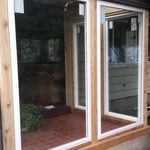
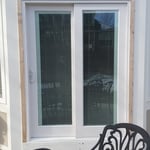
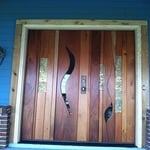
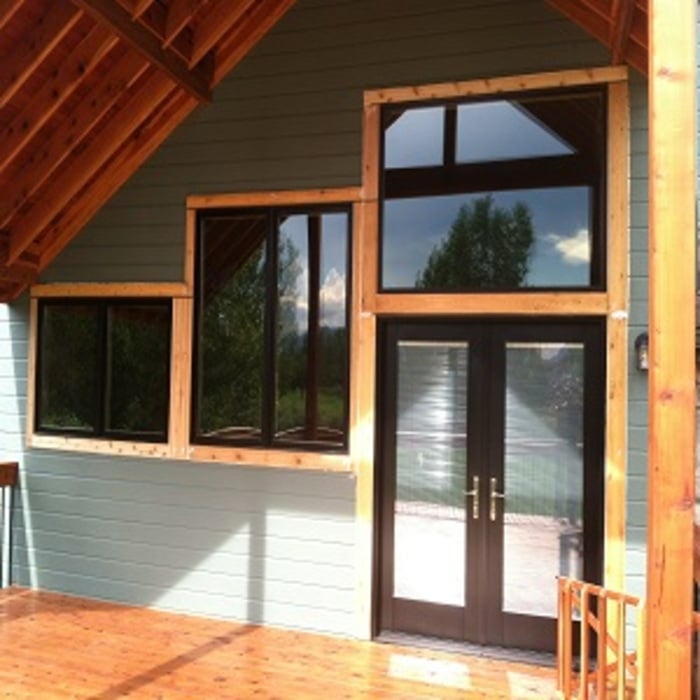
"Wayne removed old windows and installed new windows in Ft Morgan Co at my folks house in the back patio. He came all the way down to give them an estimate (12 Windows), when other contractors from Ft Morgan just told them to come look at their windows and bring measurements. Wayne is very professional and performed the work with perfection. My folks would like to give him the highest recommendation. Thanks Wayne. Renee"
Welcome to D & D Contracting! We take pride in the quality of work and customer satisfaction that we give each and every customer. We are known to pay exquisite attention to detail while making customer satisfaction our top priority. Call us today to learn more about how we can help you!
Colorado General Contracting & Project Management is a Colorado-based general contracting and project management company serving homeowners, property managers, realtors, investors, and commercial clients. We specialize in remodels, renovations, repairs, construction coordination, and full project oversight.\n\nOur company helps customers manage projects from start to finish by coordinating labor, materials, scheduling, communication, and job progress. From property repairs and remodels to larger construction projects, we provide dependable service, clear communication, and professional project management across Colorado.\n\nWe are built for customers who need one trusted company to organize the work, manage the details, and help get the job completed the right way.\n
Galindo's Property Preservation and Remodel has over 20 years of experience. Jesus is easy to communicate with and listens to all of your home improvement needs. He prides himself in trying to be the best. For all jobs big and small call Jesus, you'll be pleased you did. Thank you.
At Ryan's Remodel and Repair, we are committed to excellence in every aspect of our business. We uphold a standard of integrity bound by fairness, honesty, and personal responsibility. Our distinction is the quality of service we bring to our customers. Accurate knowledge of our trade, combined with ability, are what makes us true professionals. Above all, we are watchful of the interests of our customers and make their concerns the basis of our business.
We take great pride in our experience, expertise, quality, and customer service that we provide to meet the consumer's needs. It is our mission to provide excellent workmanship and complete customer satisfaction from start to completion of a project. In order to understand the needs and expectations of our customers, we take great care to work and communicate with every customer in a professional manner. Our reputation is based on service, safety, and quality, regardless of how large or small the job.
JC Home Service has a single mission: Complete Customer Satisfaction! We strongly believe in giving our customers the most for their money. So, we work with only the highest quality materials, experienced and professional craftsmen. We consistently focus on the needs of our customers, providing personalized attention and a stress-free experience.
We're a locally owned and operated company that values honesty, integrity and treats your home as if it were our own. We offer a variety of general contractor home improvement services that are customizable to each individual project. We specialize in additions and kitchen remodels but also offer a wide range of expertise for a variety of other projects. We pride ourselves on the quality of our work as well as our commitment to outstanding results. We look forward to building lasting relationships and guarantee your satisfaction!
We offer only the best in quality workmanship and professional courtesy. We specialize in all phases of commercial and residential home improvement. We are committed quality work and outstanding results & are strongly involved in local community activities. We look forward to working with you!
H&A Dumping Services LLC is committed to excellence in every aspect of our business. We uphold a standard of integrity bound by fairness, honesty and personal responsibility. Our distinction is the quality of service we bring to our customers. Accurate knowledge of our trade combined with ability is what makes us true professionals. Above all, we are watchful of our customer's interests and make their concerns the basis of our business. Please give us a call today!
Fire Pit Installation questions, answered by experts
The most common causes of kitchen fires are leaving cooking food unattended, frying food with excessive amounts of oil, and leaving flammable objects near the stovetop.
The best way to store firewood is outdoors and away from your home, shed, or garage. Stacking wood against your house can be a fire hazard and attract unwanted pests. Store your firewood under a shelter where it's protected from rain and snow but still exposed to sunlight and open air. You can lay a tarp on top to help keep moisture out.
No, you can’t completely fireproof a house. There is always a chance that a fire can break out inside or outside your home. Even if most of the home is built with fireproof materials, a long-burning fire can still cause damage. Still, fireproofing efforts can buy you additional time to evacuate and give you a better chance of salvaging your home after a fire rather than needing to rebuild entirely.
You can’t gauge the lifetime of a fire door like you could, say, an engine. Fire doors should be checked at least once every six months to ensure there are no signs of degradation like leaks, holes, water damage, termite damage, or anything else that might compromise the functionality of the door’s fire resistance. Check your smoke detectors while you’re at it.
Yes. Even when it’s not in use, an outlet is still connected to wiring, and if the wiring is faulty or wet, a fire can occur. Broken outlets can also cause fires, for the same reasons; in fact, most broken outlets are broken due to damaged or worn-out wiring. It’s worth replacing outlets that are old or damaged with the help of an electrician.
The Holly, CO homeowners’ guide to fire pit installation services
From average costs to expert advice, get all the answers you need to get your job done.
A fire pit installation costs $850 on average but can vary by size, fuel type, materials, and more. See how much you need to budget for a new fire pit.
Discover fire door cost data, including installation, materials, and tips to save. Learn what impacts fire door pricing and how to budget for your project.
Discover home fire sprinkler system costs, including installation, maintenance, and key cost factors. Learn how to budget and save on your home fire protection.
A fire pit adds attractive entertainment space to your backyard. Learn about standard fire pit dimensions and what factors contribute to fire pit size.