







Top-rated pool table assembly pros.

Get matched with top pool table assembly pros in Brush, CO

Enter your zip and get matched with up to 5 pros

Need a pro for your pool table assembly project in Brush, CO?

Select your specific project to find the pro for you.

Find Pool table assembly pros in Brush

Showing 1-10 of 37
Pool Table Assembly questions, answered by experts

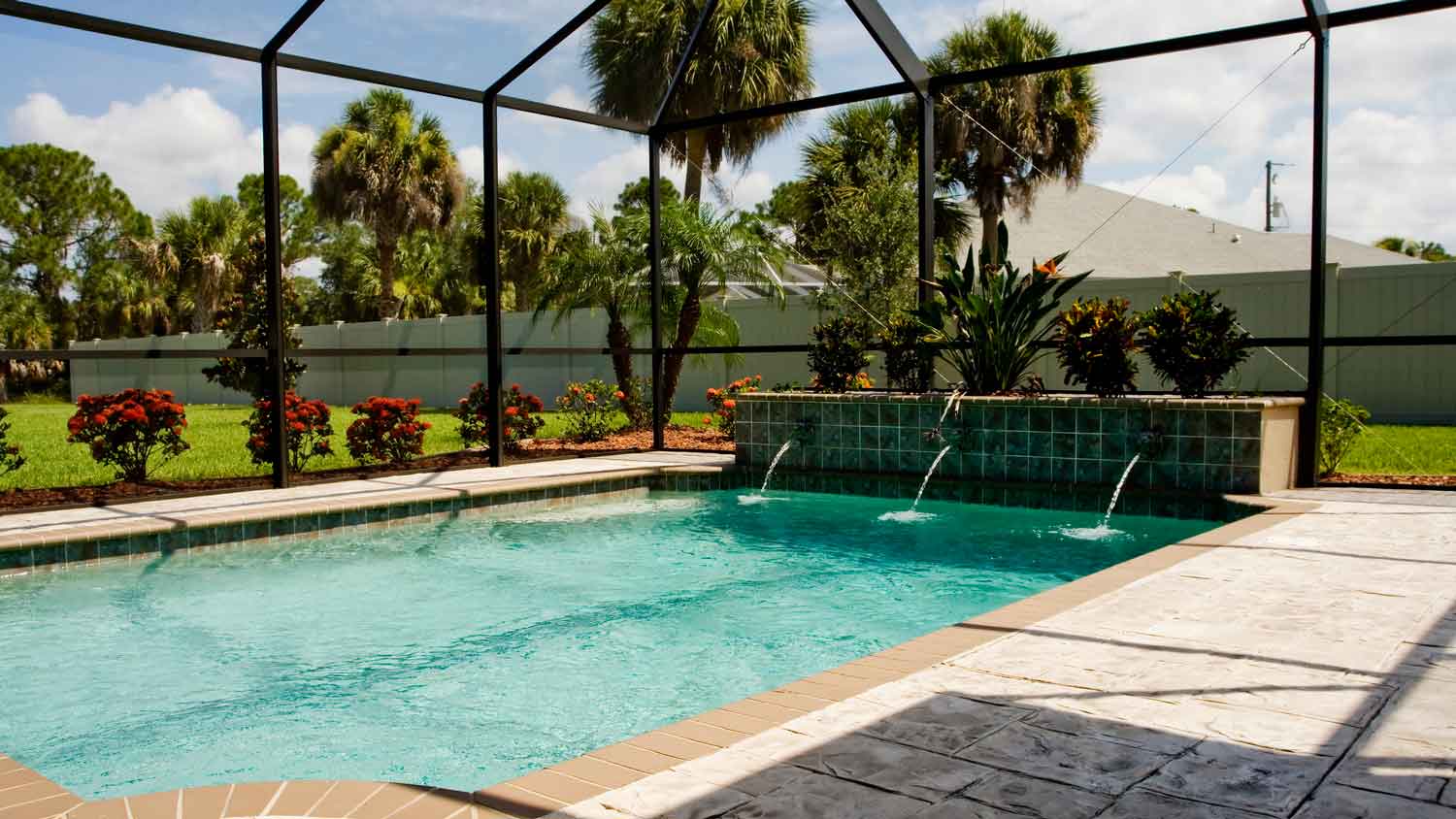
Rectangular pools are the most popular inground pool shape, due to their adaptability to different uses, from swimming laps to hosting parties. These pools can easily include other sought-after features, such as tanning ledges, waterfalls, sport nets, and more. Rectangular pools are also often easier to install and maintain, and prefabricated rectangular pools generally have a shorter installation time, so you can start enjoying your pool faster.

While some water loss from splashing and evaporation is normal, a rapid or excessive drop in the water level may indicate a leak. Other signs of a pool leak include unexplained soft or wet spots in the yard, cracks in the pool structure or falling tiles, higher-than-normal water bills, persistent algae growth or water discoloration, and standing water around the pump, pipes, or other pool equipment.

If a pool turns green after adding salt, there’s a good chance the salt is the problem. Certain brands of salt have high levels of iron that cause pool water to take on a green hue. Test your pool water to determine if this is the issue. The green color will usually filter out. Brush the sides of the pool to knock the iron off.

This is just one reason a pool can turn green that is specific to adding salt. Many other reasons a pool can turn green include algae growth, low chlorine levels, a faulty filter, etc.

You can use a plunge pool any time of the year, including winter. Be sure to install a pool heater if you plan to take a dip in the plunge pool when temperatures are low to avoid risk of hypothermia. You will also want to add a sturdy pool cover to protect the pool from snow, sleet, and rain during the winter months.

A few factors influence the time it takes for a pool to heat up, including the size of your pool, the temperature outside, and how much direct sunlight is hitting the water in the pool. With these factors in mind, it takes 12 to 72 hours to raise the temperature in a pool by 20 degrees Fahrenheit.

While you can run a pool heater all day, it is advised only to run it during the day, as it is more energy efficient. At night, it is better to purchase a solar pool cover to retain the heat within the pool.

The Brush, CO homeowners’ guide to pool table assembly services

From average costs to expert advice, get all the answers you need to get your job done.