





Top-rated pool table assembly pros.

Get matched with top pool table assembly pros in La Salle, CO

Enter your zip and get matched with up to 5 pros

Need a pro for your pool table assembly project in La Salle, CO?

Select your specific project to find the pro for you.

TRUSTED BY LA SALLE, CO HOMEOWNERS

  • Average homeowner rating star icon4.4
    Average homeowner rating
  • Verified reviews icon291
    Verified pool table assembly services reviews

Find Pool table assembly pros in La Salle

Avatar for ProFix Home Services LLC
ProFix Home Services LLC
5.0(
12
)
Handyman for Multiple Small Projects

Serving La Salle, CO and surrounding areas

Approved

Super Service Award Winner

In business since 2024

Free estimates

Small jobs welcome

"Chris did an amazing job with my sprinkler system, he showed up on time and always stood to his original payment quote and was very pleasant to work with. I recommended this company to my neighbor who also needs work done."
My jobs
My jobs
My jobs
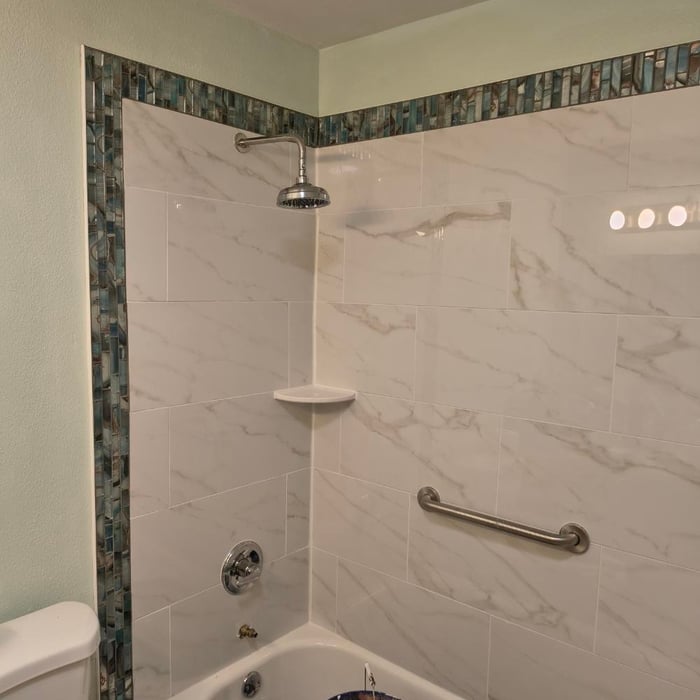
Bathroom tile
Bathroom tile

+2

Response time9 hrs
Response rate91%
1 neighbors recently requested a quote
Avatar for ARCK Services, LLC
ARCK Services, LLC
5.0(
2
)
Handyman for Multiple Small Projects

Serving La Salle, CO and surrounding areas

Approved

In business since 2020

Free estimates

Emergency services offered

"I have a 3 horse, bumper pull trailer that was over 20 years old. The tongue metal was compromised, the spare tire mount had fallen off due to rust and compromised metal, and a metal panel on the interior gate had fallen off. I asked them to fix those problems and then inspect the trailer for any other problems. They fixed the issues, and created solutions that were cost effective and much more robust than the original design. They took care of some additional issues that I did not see, and I am confident that the trailer is much more safe for both my family towing it and the livestock inside it."
My Work
My Work
My Work
My Work
My Work

+79

Response time2 days
Response rate93%
Recommended by100%of homeowners
...
Showing 1-10 of 220
Pool Table Assembly questions, answered by experts

Any number between 7.2 and 7.8 is an ideal pH for swimming pools or 80 to 120 ppm. Your pool testing kit should be able to measure both of these numbers. If your pool’s pH is below this range, the water is too acidic and can cause scaling and damage to pool equipment. If the water’s pH is above this range, it can decrease the effectiveness of necessary chemicals, like chlorine.

If you’re wondering how to find a leak in an aboveground pool, the process is the same as it is for an in-ground pool. Note that the vinyl liner in aboveground pools is fairly thin, so sharp objects easily puncture it. Additionally, the liner can wear down after constant exposure to pool chemicals, especially when chlorine levels are higher than they should be. For these reasons, small holes in the vinyl liner often cause leaks, but you can easily detect them with the dye test.

Generally, you do not need to drain your pool to convert it to a saltwater system. The main exception is if you have used an antibacterial agent containing polyhexamethylene biguanide to sanitize your pool, as these sanitation products do not mix well with saltwater systems. If this is the case, you will need to start fresh. You can either drain the pool or treat the existing water with a high dose of chlorine to remove the antibacterial agent. If you choose the chlorine treatment, wait several days to allow the chlorine to work before proceeding with the conversion. If you are unsure whether this applies to your pool, consult a pool technician.

Pool chemical levels should include a pH between 7.4 and 7.6, alkalinity between 80 to 120 ppm, and chlorine from 1 to 3 ppm. The size and type of your pool determine additional chemical levels, such as stabilizers and pool shock, but you can get to know these numbers using our pool maintenance 101 guide.
Calcium lumps in a pool are calcium deposits that form when a pool's water parameters are not in the normal range. They can float around on the surface of the pool water, making it look and feel dirty. The most common causes of calcium lumps in pools are calcium hardness above 1,000 ppm, alkalinity over 120, and a pH over 7.8. Keeping your pool’s calcium levels, alkalinity, and pH levels within the normal, safe ranges is the best way to prevent calcium lumps and other problems, including damage to the pool surface.

The La Salle, CO homeowners’ guide to pool table assembly services

From average costs to expert advice, get all the answers you need to get your job done.