Top-rated energy efficiency auditors.

Best energy efficiency auditors near Turlock, CA

Enter your zip and get matched with up to 5 pros

Need a pro for your energy efficiency auditing project in Turlock, CA?

Select your specific project to find the pro for you.

Top-Rated Energy efficiency auditors in Turlock - Updated Nov 2026

Avatar for Santiago Electric, Inc.
Santiago Electric, Inc.
4.9(
23
)
Energy Audit - For BusinessHome Energy Audit

Serving Turlock, CA and surrounding areas

Approved

In business since 2021

Free estimates

Warranties offered

"I appreciate companies that excel in customer service. Mr. Santiago and his employee (whose name I am horrified to say I canâ t remember) were on time, worked efficiently, made sure my wife knew and understood what was going on, and were professional AND personable. I highly recommend using this company for your electrical needs. 10 out of 10 stars!!!"
Response time5 hrs
Recommended by95%of homeowners
Avatar for Mega Power Electric, Inc
Mega Power Electric, Inc
5.0(
191
)
Energy Audit - For BusinessHome Energy Audit

Serving Turlock, CA and surrounding areas

In business since 2000

Free estimates

Emergency services offered

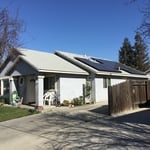
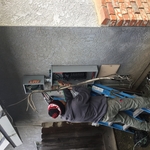
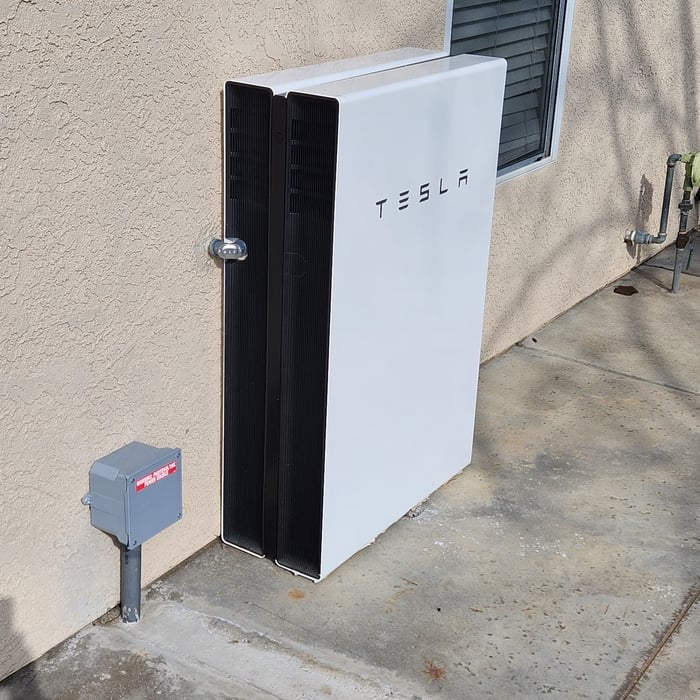
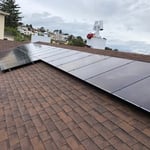
"Mega Power Electric is an excellent company to work with. Gary and his team are knowledgeable, honest, and will go out of their way to get the job done right. We installed panels and solar battery storage unit in our home and we're reaping the benefits of being clean and green."
Additional Photos
Additional Photos
Additional Photos
Additional Photos
Additional Photos

+32

Recommended by100%of homeowners
Avatar for Patrick with Solar Energy Partners
Patrick with Solar Energy Partners
5.0(
2
)
Energy Audit - For BusinessHome Energy Audit

Serving Turlock, CA and surrounding areas

In business since 2020

Free estimates

"I was mind blown with his service. I talked to 6 solar businesses before, all of them has poor customer service and the price was too high. The service was beyond amazing. It was great. The process went very smooth. One of the best experience I ever had in contacting a business. That young man was really polite. I was really happy with his service."
Solar Energy System Design 94513
Additional Photos
Additional Photos
Additional Photos
Additional Photos

+17

Recommended by100%of homeowners
Showing 1-10 of 30
Energy Efficiency Auditing FAQs, answered by experts

To determine the right size generator for your house, you should calculate the total wattage of the appliances and devices you want to power during an outage. List all essential items, note their start-up wattages, and add them together.

Here are some typical wattage requirements for common appliances:

  • Refrigerator: 600 watts

  • Large dehumidifier: 700 watts

  • Large window air conditioner: 1,400 watts

  • Water heater: 3,000 to 4,500 watts

  • Electric furnace: 5,000 to 25,000 watts

A 7,500-watt generator might be sufficient for essentials like a refrigerator, freezer, well pump, and lighting circuits. However, for high-demand items like a water heater or furnace, a whole-home generator is a better choice. A portable generator may be enough if you only need to power a few critical items.

While home square footage can offer a rough estimate, it is not always a reliable indicator. For reference, here are some typical generator sizes based on square footage:

  • 1,000 sq ft: 6–9 kW

  • 1,500 sq ft: 7–10 kW

  • 2,000 sq ft: 10–14 kW

  • 2,500 sq ft: 12–16 kW

  • 3,000 sq ft: 16–20 kW+

For the most accurate sizing, consult a professional who can calculate your home's peak and average power consumption and recommend the optimal generator.

Smart home upgrades can be worth the money. Several upgrades, including smart thermostats and ceiling fans, can help reduce your energy bills. Others make life more convenient, freeing up your time to do what you love (or get more work done). And some smart home upgrades, such as entertainment systems, simply make life more enjoyable. All are worthy causes.
Yes, including optimizing settings and suggesting upgrades if needed.

R-value is calculated by dividing the thickness of an insulation material by its thermal conductivity. The material's composition and density influence thermal conductivity. Materials with lower conductivity values provide better insulation. The higher the R-value, the better the material is at insulating, helping homeowners select insulation that meets the energy needs of their climate and home layout.

Solar water heating systems are not one-size-fits-all. You'll likely work with a team of experts to get the job done—including solar panel installers, plumbers, and water heater installers. A specialist will help you decide if a passive or active system is best for your local weather, home layout, roof stability, and your budget.

The Turlock, CA homeowners’ guide to energy efficiency auditing services

From average costs to expert advice, get all the answers you need to get your job done.