





Top-rated energy efficiency auditors.

Get matched with top energy efficiency auditors in Ceres, CA

Enter your zip and get matched with up to 5 pros

Need a pro for your energy efficiency auditing project in Ceres, CA?

Select your specific project to find the pro for you.

Find Energy efficiency auditors in Ceres

Avatar for Santiago Electric, Inc.
Santiago Electric, Inc.
4.9(
23
)
Energy Audit - For BusinessHome Energy Audit

Serving Ceres, CA and surrounding areas

Approved

In business since 2021

Free estimates

Warranties offered

"The owner responded quickly and came to our home for a free estimate within hours. He recommended installing a new outlet to prevent electrical issues down the road. The job was completed within 72hrs (due to the weekend) and we were very happy with the work. I would highly recommend and will use them again for future needs."
Response time5 hrs
Recommended by95%of homeowners
Avatar for Mega Power Electric, Inc
Mega Power Electric, Inc
5.0(
191
)
Energy Audit - For BusinessHome Energy Audit

Serving Ceres, CA and surrounding areas

In business since 2000

Free estimates

Emergency services offered

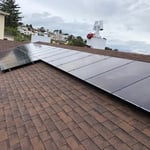
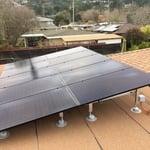
"We recently had Mega Power Electric Inc install a solar system and panels. The President and provided excellent communication all the way through the process. He even met with us after installation to explain the almost incomprehensible PG&E bill. Although not the least expensive bid, his was competitive and I felt he was as interested in educating me about solar and the various types of panels and inverter systems as he was in selling a system. He demonstrated how the array of panels would meet our energy needs and as opposed to some of the other companies, wasn't selling us more than we needed. We are very satisfied with our solar system and I highly recommended Mega Power Electric Inc."
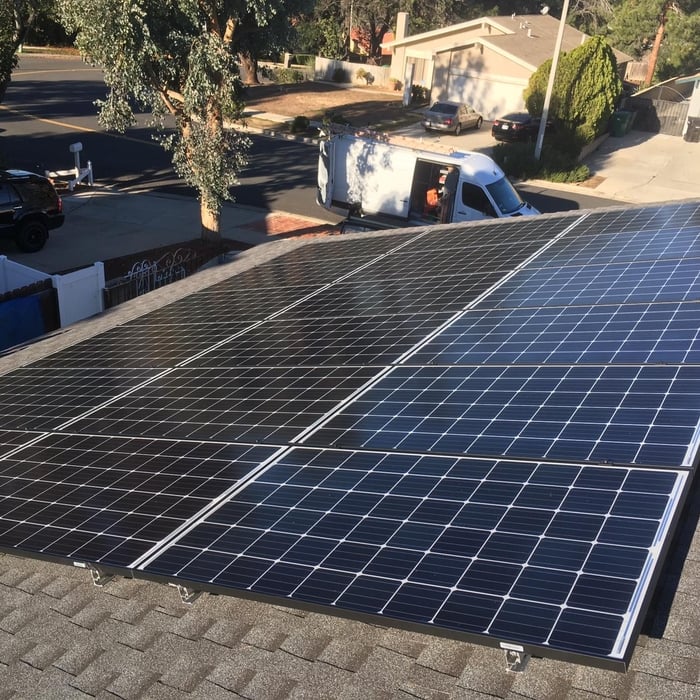
Additional Photos
Additional Photos
Additional Photos
Additional Photos
Additional Photos

+32

Recommended by100%of homeowners

Showing 1-10 of 27
Energy Efficiency Auditing questions, answered by experts

To determine the right size generator for your house, you should calculate the total wattage of the appliances and devices you want to power during an outage. List all essential items, note their start-up wattages, and add them together.

Here are some typical wattage requirements for common appliances:

  • Refrigerator: 600 watts

  • Large dehumidifier: 700 watts

  • Large window air conditioner: 1,400 watts

  • Water heater: 3,000 to 4,500 watts

  • Electric furnace: 5,000 to 25,000 watts

A 7,500-watt generator might be sufficient for essentials like a refrigerator, freezer, well pump, and lighting circuits. However, for high-demand items like a water heater or furnace, a whole-home generator is a better choice. A portable generator may be enough if you only need to power a few critical items.

While home square footage can offer a rough estimate, it is not always a reliable indicator. For reference, here are some typical generator sizes based on square footage:

  • 1,000 sq ft: 6–9 kW

  • 1,500 sq ft: 7–10 kW

  • 2,000 sq ft: 10–14 kW

  • 2,500 sq ft: 12–16 kW

  • 3,000 sq ft: 16–20 kW+

For the most accurate sizing, consult a professional who can calculate your home's peak and average power consumption and recommend the optimal generator.

There are energy-efficient options when building a cottage. Select green building materials, high-performance insulation, and energy-efficient windows when designing your cottage. Options such as solar panels, efficient HVAC systems, and LED lighting can lower your utility bills and reduce your environmental impact. Many builders offer energy-efficient upgrades as part of the design process.

Leaving lights on raises the electric bill, but not as much as having high-wattage light bulbs. The best way to save on electric costs is to swap your light bulbs to LED or CFL bulbs that use far fewer watts. You can also use smart lights and light switches to control usage via a smartphone or voice-controlled device.

Smart glass doesn’t use a lot of electricity, and you can expect a standard window to add between $1 and $2 per year to your electric bills. Smart glass is proof that energy-efficient windows work. Although your smart windows may consume a little energy to operate, they can save enough energy to offset the costs. If you’re concerned about the minimal bump to your electricity consumption, you can opt for smart tint, which doesn’t require electricity to work.

Homeowners can often access federal tax credits, such as the Investment Tax Credit (ITC), which covers a percentage of installation costs. Many states and utilities offer additional rebates, grants, or performance-based incentives. These programs can significantly lower your upfront investment. Check the Database of State Incentives for Renewables and Efficiency (DSIRE) or contact your local energy office for current offers.


The Ceres, CA homeowners’ guide to energy efficiency auditing services

From average costs to expert advice, get all the answers you need to get your job done.