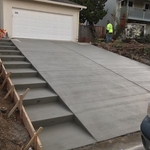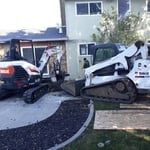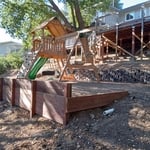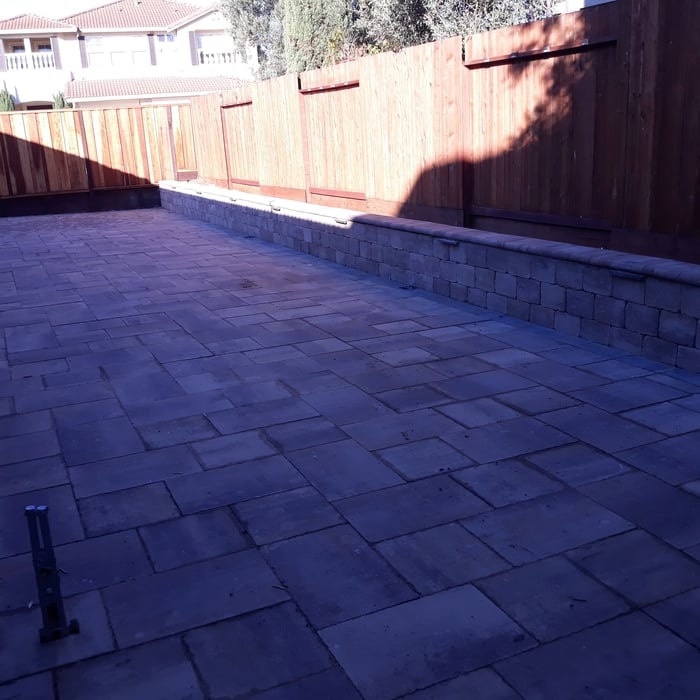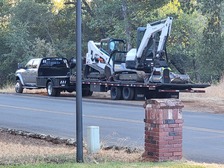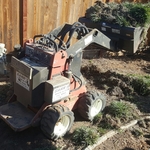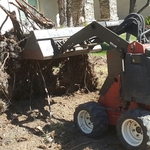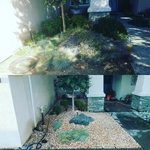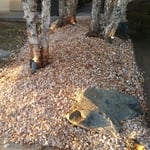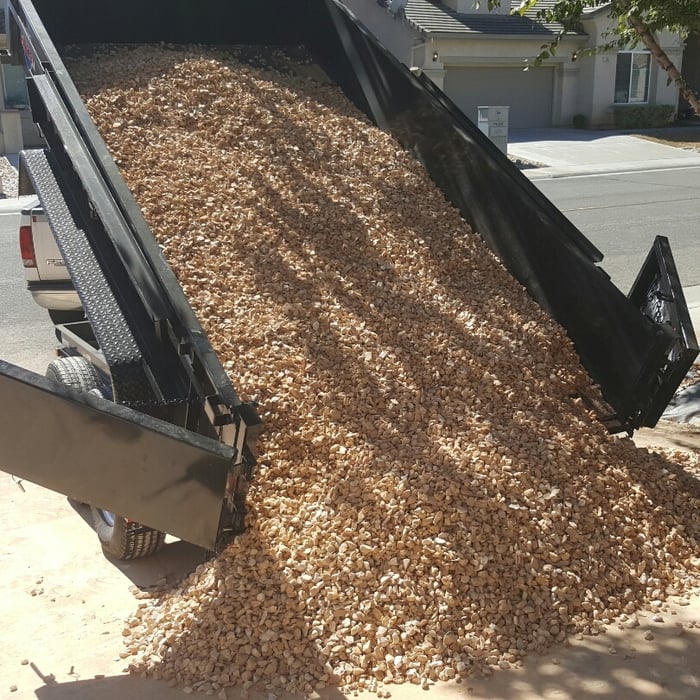







"Extremely professional owner and staff. Went above and beyond my expectations for the project. I would highly recommend Brett and his company for any excavation project."
"During a house purchase US Trenchless came out and scoped the main sewer line. They gave me a detailed report. They also gave me a quote to replace the line. After doing some comparison shopping US Trenchless beat a competitors low bid by 10%. The work was done on time and professionally. I would recommend them and use them again. Ross and Tim were great."
"When we purchased the house, it was a 30 year old home. Almost everybody in the period of five years to seven years wanted to convert to copper plumbing. So what they offered at that time was anyone you referred to if they chose to use their service, you have $500 cash payment which was really nice because half of our neighbors and our family members used them. I do not know what they do now, but it is a really nice service because they are a very good company. They did a great job."
"Very qualified team of heavy equipment operators. We deferred our project, though would not hesitate bringing in Hays Engineering to provide grading services."
You do not have to dig footers for a deck as long as it meets local code and holds up to weather in your area. If you live somewhere that experiences high winds and earthquakes, you may need to dig for your deck posts. Deck blocks, post anchors with base plates, and helical pile systems are the three no-dig deck post options you can choose from if local code permits.
Depth is not a qualifying component of evacuation. Any human-made cut, cavity, or depression in the earth’s surface is considered excavation. The hole from excavation can be any size, shape, or depth. Excavation is used to create foundations, reservoirs, drainage ditches, and roads. Long, narrow excavations are called trenches and are often used for underground utilities.
There is no standard depth for burying a septic tank; they are typically buried anywhere from 4 inches to 4 feet underground. The final depth depends on several factors, including the depth of your main sewer line, the height of the bedrock, soil type, local regulations, and the property's landscape. If you plan to grow grass or plants over the tank, a depth of at least 4 to 6 inches is recommended. Deeper tanks can be more difficult to locate, but a septic professional can help find it for you.
Underground downspouts refer to the sections of downspout extensions that lead away from your home and gutter system. While they cost more than traditional extensions, they can provide several benefits, such as less frequent damage and no need to move them for lawn care tasks. Whether they're worth it or not depends on your budget at installation time and how much convenience they'll add to your situation.
The rules and regulations regarding groundwater use vary between states. To find out if you can dig a well on your property, you’ll have to consult these regulations, address any compliance requirements, and get the appropriate permits. It’s also important to check that your intended location has the right geology and water table to support a well.
The Sutter Creek, CA homeowners’ guide to excavation services
From average costs to expert advice, get all the answers you need to get your job done.
Excavation costs $1,500 to $6,300 for most residential projects—but it depends on factors like the size of the area. This guide will help you plan a budget.
You can't have an in-ground pool without digging into the ground. How much does pool excavation cost, and can you take it on yourself? Our guide explains.