




Top-rated excavation pros.

Get matched with top excavation pros in Jackson, CA

Enter your zip and get matched with up to 5 pros

Need a pro for your excavation project in Jackson, CA?

Select your specific project to find the pro for you.

Find Excavation pros in Jackson

Hays Engineering
4.4(
20
)
Excavation - Major Grading or Resloping - For Business

Serving Jackson, CA and surrounding areas

In business since 2016

Free estimates

Credit card accepted

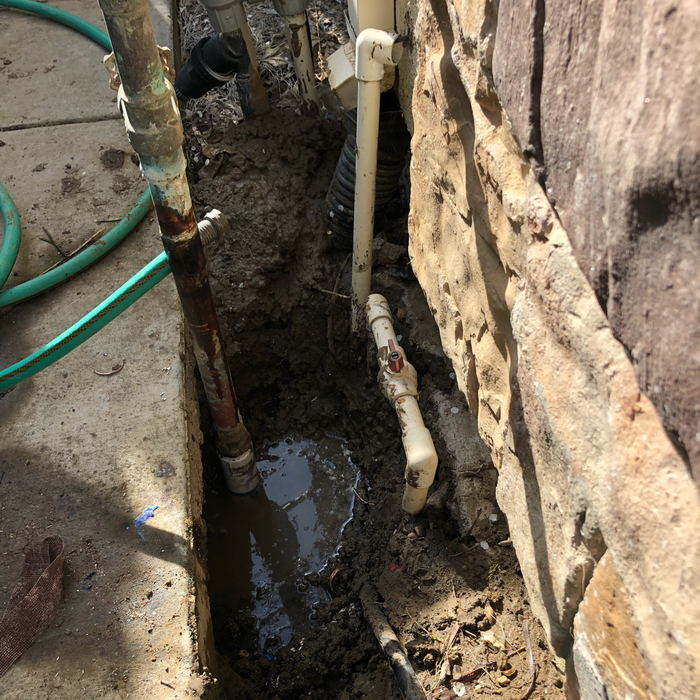
"My front yard was a mess! I wanted to get rid of the grass and re-landscape with low water plants etc. Before I could do anything I need the lawn removed and have the yard graded. Josh and his team did more than just that. I had planned on installing a new walk way. All estimates for concrete were absurd. Josh and his team removed a stump and roots that were running under my house and ready to break my water main. Graded everything. Put in a DG walkway. Repaired some broken pvc lines and laid down industrial grade landscape fabric for less than what the cement walkway would have been. AWESOME WORK AND A PLEASURE TO WORK WITH! Thanks again guys!!!!"
Response time6 hrs
Recommended by100%of homeowners
Rene Cano
New to Angi
Building Site - Preparation and ClearingExcavation - Major Grading or ReslopingLandscape - Minor Grading or Resloping

Serving Jackson, CA and surrounding areas

In business since 2020

Free estimates

Credit card accepted

With years of experience in the construction industry, we are the experts you need to take care of your home or business. We handle all of your excavation and septic needs with great care. We will treat your home as we would treat our own. Give Rene Cano a call today, we look forward to working with you!

Showing 1-10 of 26
Excavating questions, answered by experts

There are several different factors that influence how long it takes to excavate. For a foundation, it could take anywhere from three days to three weeks. It can take even longer if you face weather-related delays or an inaccessible site that’s riddled with boulders and rough terrain. It may also take longer if you have clay soil, which is more difficult to dig.

There are several methods to hollow out a tree stump, and the best one depends on your tools, experience, and priorities. Common methods include using a chisel and hammer, a chainsaw, or burning.

  • Chisel and Hammer: This is often considered the easiest approach for those with limited tools or experience, though it is the most time-consuming.

  • Chainsaw: Using a chainsaw is the fastest method, but it comes with significant safety risks, especially for inexperienced users.

  • Burning: This can be an effective method, but it is not recommended unless you can first drill holes into the stump. Without holes, the stump will be difficult to light and may not burn completely through.

A power drill with at least a ⅜-inch diameter bit can make the job quicker and easier, regardless of the primary method. While you can use a chisel or chainsaw without a drill, it will require more time and effort. Always wear protective goggles and thick gloves, as splinters are an inevitable risk.

Call 811 to locate and mark the gas lines at least three days before digging. In many areas, you can dig within 18 inches of the lines, though in some locations, the distance may be further. Check local regulations, as you may need a utility company representative onsite when digging. Document your calls to 811 and precautions taken to avoid gas lines. A homeowner can be held liable for hitting a gas line in some cases, but contacting the proper authorities and following all guidelines can offer protection.

Trenchers can dig holes as narrow as 4 inches or as wide as 4 feet. Check the specifications of the trencher you rent or buy to determine how wide it will cut into the landscape. Better yet, let the excavation company know how wide you’d like the trench to be, and they can help you choose the right trencher for the job (or do it for you).

Trenches are typically 12 to 24 inches deep and 8 inches wide. However, the required depth depends on the specific project and local ordinances. For example, a French drain may need to be 18 inches deep, while a water pipe might require a depth of 24 inches and a drainage pipe 36 inches. Your city or county may have specific regulations, so it's wise to consult with an excavation professional to determine the correct depth for your project.

The Jackson, CA homeowners’ guide to excavation services

From average costs to expert advice, get all the answers you need to get your job done.