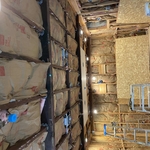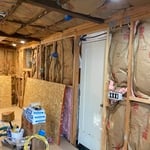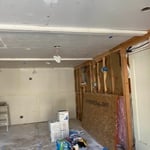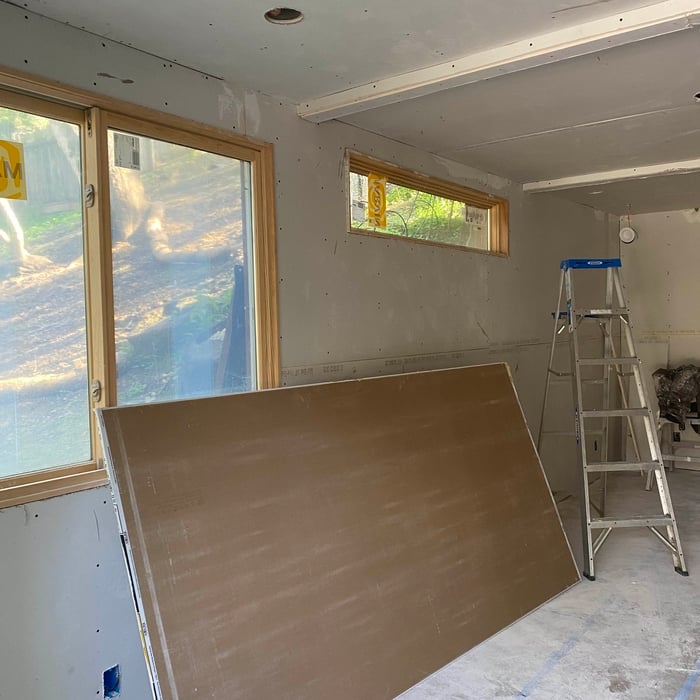

Top-rated drywall pros.

Get matched with top drywall pros in Scotts Valley, CA

Enter your zip and get matched with up to 5 pros

Need a pro for your drywall service project in Scotts Valley, CA?

Select your specific project to find the pro for you.

TRUSTED BY SCOTTS VALLEY, CA HOMEOWNERS

  • Average homeowner rating star icon4.8
    Average homeowner rating
  • Verified reviews icon45
    Verified drywall services reviews

Find Drywall pros in Scotts Valley

Avatar for Dango Drywall Co, Corp
Dango Drywall Co, Corp
4.8(
21
)
Drywall - InstallDrywall - Install - For BusinessDrywall - Repair+1 more

Serving Scotts Valley, CA and surrounding areas

Approved

Super Service Award Winner

In business since 2024

Free estimates

Offers commercial services

"I couldn’t be happier with the drywall repair done by Dango Drywall. From start to finish , the experience was professional and stress free. Daniel and Jesus showed up on time, were courteous and respectful of my home, and completed the repair quickly and efficiently."
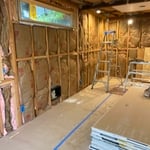
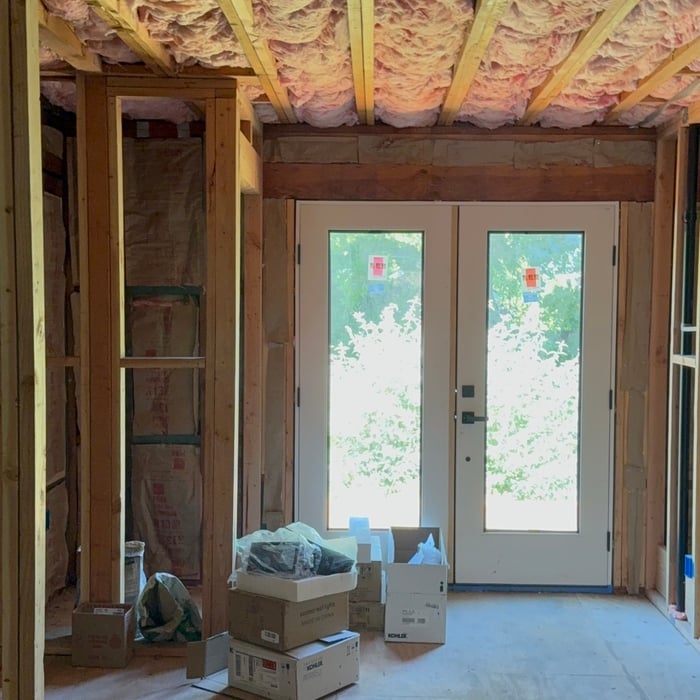
Drywall installation.

+12

Response time7 hrs
Response rate94%
1 neighbors recently requested a quote
Avatar for Lopez Brothers Drywall
Lopez Brothers Drywall
5.0(
7
)
Drywall - InstallDrywall - Repair

Serving Scotts Valley, CA and surrounding areas

In business since 2020

Free estimates

Emergency services offered

Give us a call or click to request a quote today! Give us a call or click to request a quote today! When you choose Lopez Brothers Drywall, you're choosing experience, professionalism, and a team that truly cares about your project from start to finish.

Response time8 hrs
Response rate100%
8 neighbors recently requested a quote
Pacific Drywall
4.7(
38
)
Drywall - InstallDrywall - Install - For BusinessDrywall - Repair+1 more

Serving Scotts Valley, CA and surrounding areas

In business since 1992

Free estimates

Emergency services offered

"Very well. We had to be entirely out of the house for two nights. But it was understandable because *everything* was covered in plastic. They sent instructions ahead of time. You really need to pack up most things, even thought they say only breakables need to be removed. The electrical and drywall work was well done. They asked a lot of questions about the placement of the new can lights, the switches, etc. We really love the new lights. They even swapped out a nearby old light so that they all looked the same - nice touch! The ceilings look great. The new entrance to the attic was very nicely done. The painting on the ceilings looked great. The folks that did the work really took some pride in their work, and with good reason. The price was fair, and I'd hire them again."
Recommended by100%of homeowners
...
Showing 1-10 of 109
Drywall questions, answered by experts

Although they have similar applications, spackle and joint compound are not the same. Their primary differences lie in their composition, consistency, and ideal use cases.

Spackle is composed of gypsum and binding agents, making it thicker than joint compound. It dries quickly and is easy to sand, which makes it ideal for small wall repair projects like filling nail holes or patching minor damage.

Joint compound, also known as drywall mud, consists of limestone and gypsum. It is primarily used for large-scale projects, such as taping and finishing the seams on newly installed drywall. It tends to shrink more than spackle and can be more difficult to spread.

While both products can be used to fill small depressions and cracks, spackle cannot replace joint compound for taping and mudding new drywall. Conversely, you can often use joint compound for small patching jobs typically done with spackle.

Plastering and skimming are two different techniques for finishing walls. Plastering involves applying a thick layer of a plaster mixture—typically containing gypsum, lime, cement, sand, and water—to create a new surface. This process often requires multiple coats and is used for repairing significant damage or creating decorative textures. Skimming, on the other hand, is a technique that involves applying a thin layer of drywall compound or joint compound over an existing surface to smooth it out, covering minor imperfections, small cracks, or uneven textures for a polished look. Plastering is generally more costly and labor-intensive than skimming. Although some people use the terms interchangeably, they refer to different processes and materials.

Some textures are easier than others to DIY, but the short answer is yes, you can absolutely texture walls yourself. You’ll need certain materials, like a trowel or paint sprayer, but the most important things you’ll need are patience and time. DIYing wall texture can save money and be a fun, messy project, but homeowners need to know that adding texture to a wall isn’t a quick project. 

It doesn’t matter which way you lay drywall, and you can choose to install it horizontally or vertically depending on the size of the wall and how tall the ceiling is. It’s easier to lay drywall sheets vertically if you have a taller ceiling, but laying sheets horizontally makes it easier to apply joint compound.

Plaster ceilings can sag for several reasons. In some cases, the plaster and other building materials shift and come apart over time, which is why you’ll commonly find drooping plaster ceilings in older homes. Improper installation, foot traffic, and water damage—often from a leaky roof or a broken pipe—can also cause plaster ceilings to sag.

The Scotts Valley, CA homeowners’ guide to drywall services

From average costs to expert advice, get all the answers you need to get your job done.