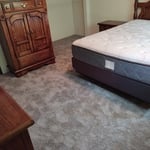
"Needed carpet removed and hardwood put down in all my bedrooms. The work was done in a timely manner and price was negotiable. However, you need to use the company’s hardwood, which is of lower quality than what I initially wanted. Also, the workers spilled some stuff on my furniture, which landed me with random spots of dissolved stain on my tables and end tables. Financing 0% for 1yr was a plus though, so overall the choice worked well for me."
Proudly serving IE, OC, and LA counties, we stand behind our work and take pride in transforming spaces from the ground up. When you choose SVC CARPET & FLOORING INC., you’re choosing experience, dedication, and a team that treats your home or business like it’s our own.
We take great pride in our experience, expertise, quality, and customer service that we provide to meet the consumers' needs. It is our mission to provide excellent workmanship and complete customer satisfaction from start to completion of a project. To understand the needs and expectations of our customers, we take great care to work and communicate with every customer in a professional manner. Our reputation is based on service, safety, and quality, regardless of how large or small the job.
We bring a fresh touch to every home with dependable, detail-focused cleaning services. Our mission is to deliver quality, comfort, and peace of mind through a clean space you can feel good about
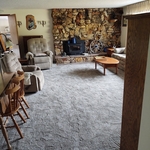
"The first carpet install had problems......carpet tight weave and pad was ultra thick. I took photos...they booked a day. I got a plush carpet with the plush pad. Amazing...."
Carpet Installation questions, answered by experts
When choosing whether to install carpet in your home, consider the pros and cons of this change:
Pros
More affordable than laminate flooring
Gives the room a warmer feel
Softer on feet
Wide variety of textures and colors
Hides dirt easily
Faster and easier to install
Cons
Shows wear and tear more quickly than laminate flooring
Shows stains
Soaks up liquids
May not work well in some areas, such as a bathroom
Less durable than laminate flooring
Susceptible to water damage, mold, and mildew
Carpet density refers to how closely together the fibers of a carpet are stitched into the carpet backing, with values ranging from 1,000 to 7,000. A carpet density value of 3,000 or higher is considered best for most homes, especially in high-traffic areas, such as a living room or dining room. If you’re comparing two carpets made of the same material, a higher carpet density can indicate better durability and longevity. However, carpet density is only one of many factors that can help you determine a carpet’s quality.
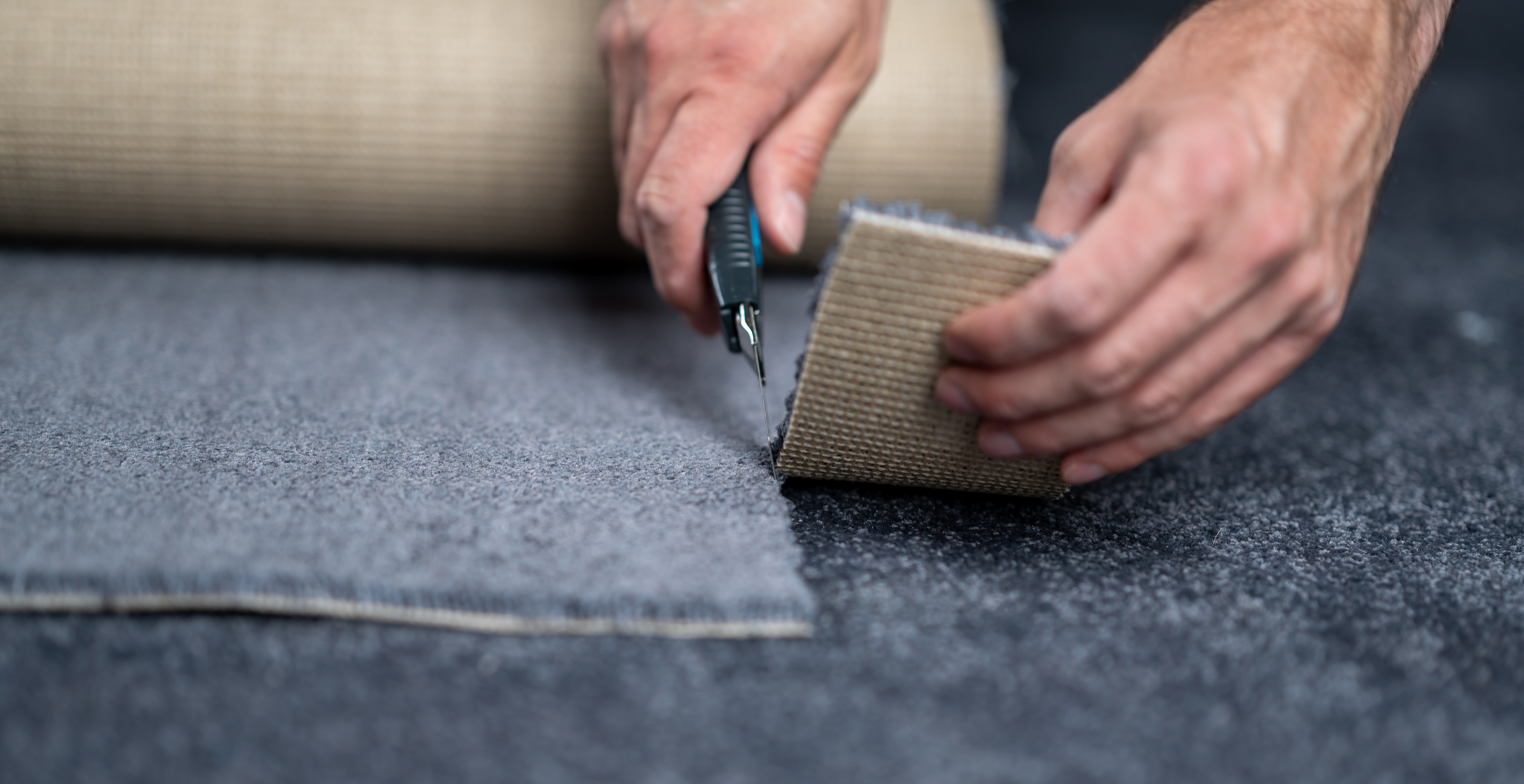
Carpet installation typically starts with removing the old flooring, preparing the subfloor, laying underpadding for cushioning, and securing the new carpet with tack strips, making precise cuts to fit room dimensions.
If you want your carpet to last as long as possible, then yes, you need to install carpet padding. Carpet padding creates a layer of protection between the back of your carpet and the floor beneath it, which decreases friction and reduces wear and tear. Aside from that, carpet padding also helps absorb noise and makes your carpet feel more comfortable underfoot.
Carpet installers use furniture sliders or blankets to protect your furniture during the installation process. They handle each piece with care to minimize the risk of damage. Additionally, they may employ techniques such as lifting and shifting furniture rather than dragging it across the floor to prevent scratches or other marks. If you have particularly delicate or heavy items that need to be moved, discuss special handling with the installers beforehand.
The Quartz Hill, CA homeowners’ guide to carpet installation
From average costs to expert advice, get all the answers you need to get your job done.
Not only are carpet tiles easier to install than carpet, but they’re often more affordable. So, how much does carpet tile installation cost? Let’s take a look.