



Top-rated excavation pros.

Get matched with top excavation pros in Porterville, CA

Enter your zip and get matched with up to 5 pros

Need a pro for your excavation project in Porterville, CA?

Select your specific project to find the pro for you.

Find Excavation pros in Porterville

Avatar for Alcantar Construction
Alcantar Construction
4.9(
14
)
Landscape - Minor Grading or Resloping

Serving Porterville, CA and surrounding areas

Approved

In business since 2022

Emergency services offered

Small jobs welcome

"I hired Alcantar to repaint our 2 story home along with a 12×12 storage building and horse barn. They did an excellent job. Every thing was very pre mapped and totally completed. They also have the ability to provide numerous other services This is a great team who provides outstanding service."

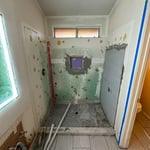
Bathroom Renovation
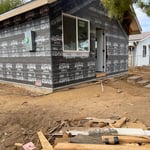
Exterior Stucco Demo
Exterior Stucco Renovation
Bathroom Renovation
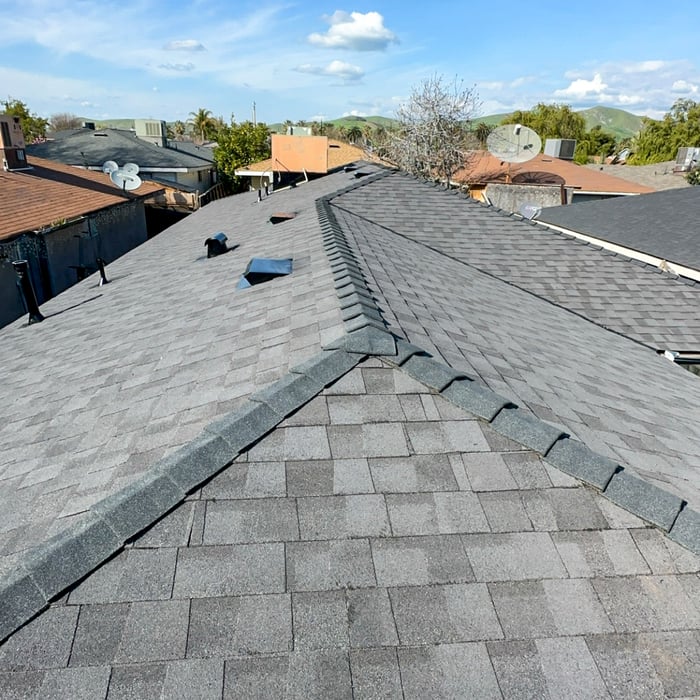
Installed new roof shingles

+10

Response time2 days
Recommended by78%of homeowners
Avatar for JB Earthwork
JB Earthwork
4.8(
5
)
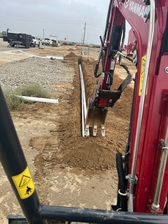
Building Site - Preparation and ClearingBuilding Site - Preparation and Clearing - For BusinessExcavation - Major Grading or Resloping+1 more

Serving Porterville, CA and surrounding areas

In business since 2017

Free estimates

Emergency services offered

"5 days I think it was he removed the creosotes here. He made many trips to the landfill, came back ripped up more creosotes and filled up his huge trailer. He removed the huge fire danger that kept me constantly worrying about losing my home to fire. Over the years had gathered a giant pile of fire wood and he removed that too. I ABSOLUTELY LOVE the open land now. I paid him more than we agreed on because he deserved it. My land is boxed in by creosotes but now I will NOT burn down when a wildfire comes. My horses can see for a long way now......not just the dry lots they live in. I do have 4 pine trees that are scheduled to be removed. Fire will come one day and I am preparing for that day.... removing the creosotes and woodpile was the answer. I feel soooo much better! The only way to clear the land was to hire a dozer guy and he was the perfect choice. It was hot and he was covered in silt, had 2 flat tires on his trailer but just a happy guy all around. great guy"
Response time5 days
Recommended by80%of homeowners
Showing 1-10 of 23
Excavating questions, answered by experts

Almost any kind of home can have a wine cellar or cabinet installed. You’ll need an area where a concrete floor can be put in, along with the necessary insulation, climate control, and ventilation systems. If you think of yourself as an aspiring sommelier, an underground wine cellar may be ideal, but it will cost significantly more. 

What you choose to install really depends on your budget and how many bottles you’re looking to store.

Trenching and boring are two distinct methods for installing underground utilities. Trenching involves digging a channel using equipment like an excavator, trencher, backhoe, or shovel. While it is a simpler process, it causes significant disruption to the surface, landscaping, and surrounding ecosystems.

Boring, also known as directional boring, is a less invasive alternative that uses a drill to create a tunnel for utility lines without disturbing the surface. This method is more precise and is ideal for installations that need to go underneath buildings, roads, or bodies of water. Although boring is less disruptive, it is generally more expensive than trenching.

Excavation is priced in cubic yards, so you’ll need to find the volume of the area in order to calculate costs. Multiply the length, width, and proposed depth of your excavation site, then convert it into yards to get the volume. Multiply this figure by the price per cubic yard.

Most homeowners can measure by hand to get a rough estimate, even if it’s tedious. You may want to pull out a tape measure or use a string to help mark the area.

No, fire blight does not survive free in the soil but instead is carried through insects, animals, rain, or wind during the spring. Keep in mind that it can also spread on tools, which is why you should always disinfect them in between cuts.

In the United States, a depth of 36 inches (three feet) for underground water lines is the accepted industry standard. This depth varies from location to location based on local conditions. In areas with colder winters, they may be buried deeper to prevent frozen well water pipes : This is usually at least six inches below the frost level. The International Plumbing Code calls for a minimum of 12 inches below grade.

The Porterville, CA homeowners’ guide to excavation services

From average costs to expert advice, get all the answers you need to get your job done.