"Jose and his team do excellent work and are a pleasure to work with. They’re exceptionally communicative, do precision work, and are affordable — truly the best of all worlds. I can’t recommend Diamond Pavers highly enough."
"Mr. Avon and his crew were timely, efficient, courteous, and professional. The innovative design transformed my hillside into a work of art for a reasonable price. I wholeheartedly recommend Avon Masonry Construction."
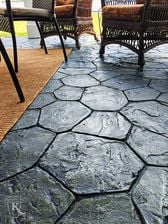
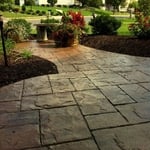
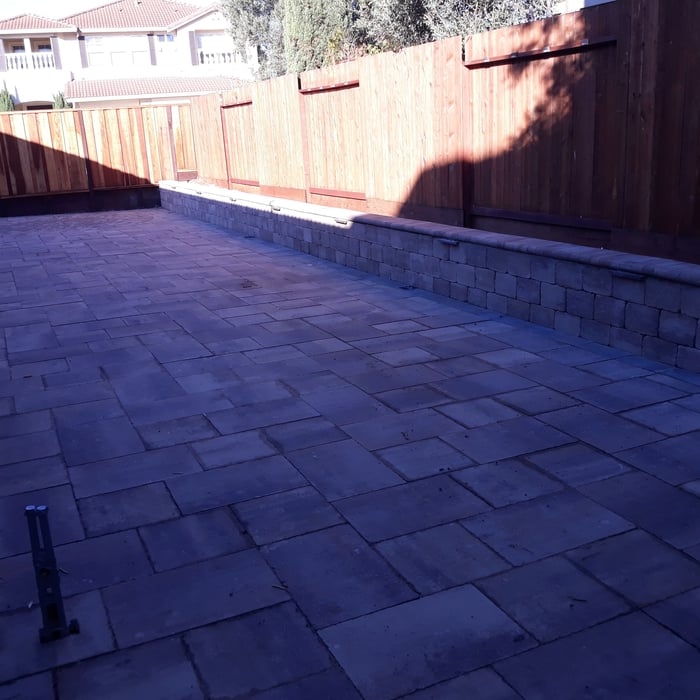
"Great service, great team, great attention to details with great price, what you else can anyone ask for. Love the job they did and we are so happy with our patio. Thanks again Mike"
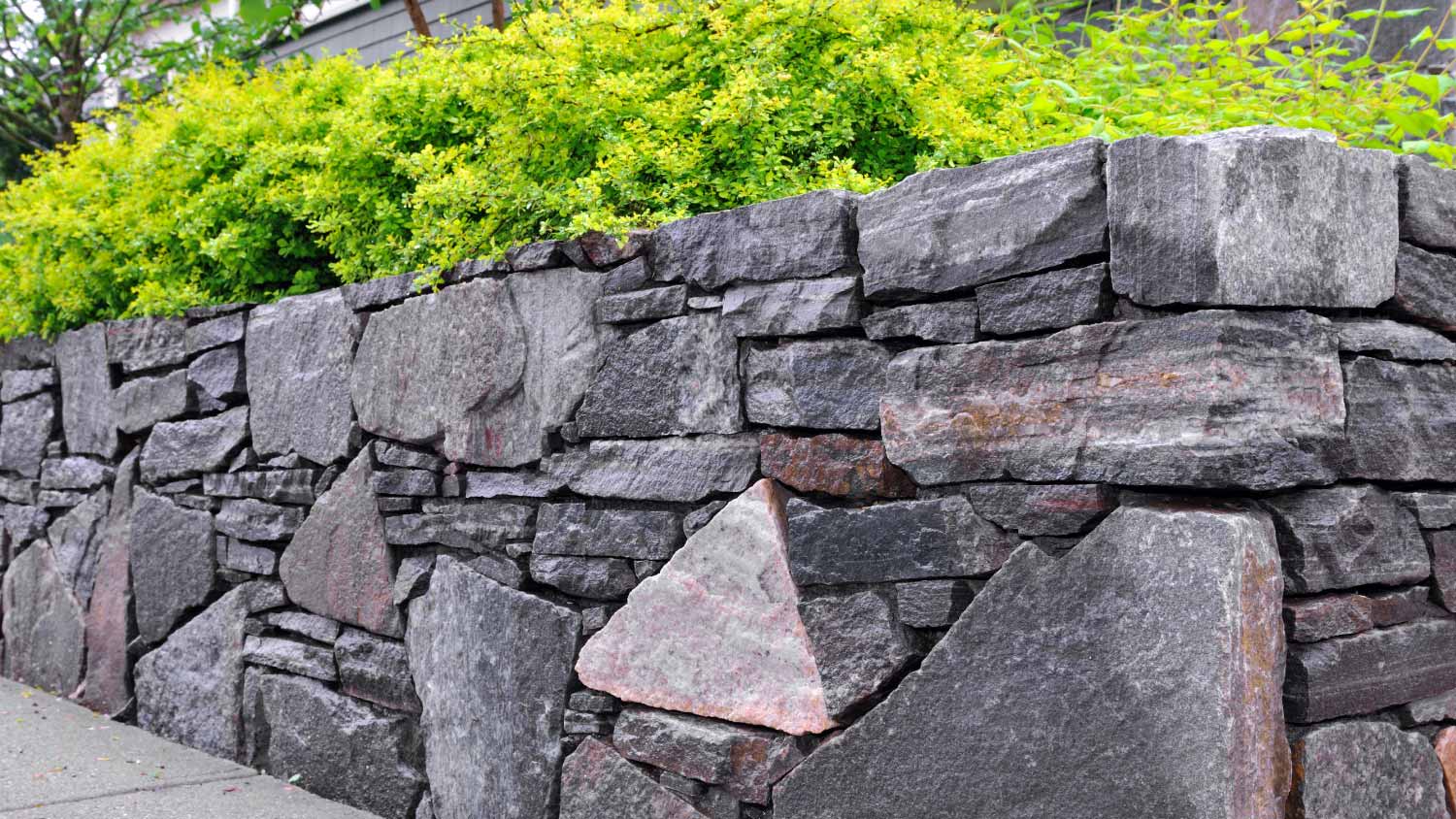
"Vitoria Pavers did an excellent job on a retaining wall to level a sloped yard. They were competitively priced, shared ideas on how to improve the design throughout the project, and completed the project in a timely manner. I would definitely hire for any future work."
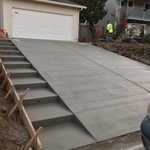
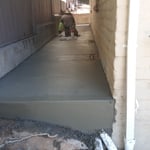
""Tri" and his crew were on time and finished the project when expected. We just had a concrete pad poured on the side of the house. We did the excavating and framing. The job site was cleaned up afterwards. Very pleased with the outcome and value. We would recommend his crew to others."
"I recently had the pleasure of working with Just Stamping Concrete for a landscape design project, and I cannot recommend them enough! They are a true gem in the industry, and their work speaks for itself."
When painting brick, each application method has distinct advantages and disadvantages. Spraying is significantly faster but may not penetrate deeply beyond the surface layer. Rolling is effective for working paint into the brick's texture but can be less effective on mortar joints. If you opt for a roller, choose a thick nap of at least a half-inch to ensure paint gets into all the crevices for even coverage. Using a brush is generally not recommended as it is very time-consuming and provides poor surface penetration. Ultimately, a combination of spraying followed by back-rolling is often the best strategy for a durable and even finish.
Stone veneer siding is approximately four times less expensive than stone because it's made of concrete and aggregates instead of natural stone. But veneer looks like real stone, is easier to install, and acts as a great, durable siding option.
Yes, you can do German schmear on stone. You can account for the more textured and rough surface of stone by using a large paintbrush instead of a putty knife. A brush allows you to drag mortar across the stone to get it into all the cracks and crevices. However, a brush will cover more of the surface, so you may need a wet sponge to scrub excess mortar and expose more of your stone.
You should generally drill into the mortar joints when installing shutters on brick. Mortar is softer, which makes drilling easier and puts less strain on your tools. It also lowers the risk of cracking a brick—something that’s a lot harder to fix. Mortar holds fasteners well enough for standard shutters, and if you ever need to patch the holes later, it’s a much simpler job than dealing with damaged brick. Just keep in mind that if your mortar joints are too thin or the hardware calls for brick anchoring, you'll need to check the manufacturer’s recommendations and adjust accordingly.
No, you don’t need to soak the brick before cutting it by hand. In fact, cutting a wet brick can make it harder to see your score lines and may cause the chisel to slip. Soaking is sometimes used with power tools to reduce dust, but for hand-cutting, it’s best to work with dry bricks for better control and visibility.
The Orinda, CA homeowners’ guide to masonry services
From average costs to expert advice, get all the answers you need to get your job done.
Need to repoint brick in your home to make your home look fresh and new? Use this guide to repointing brick cost to price out your project before starting.
When it comes to masonry versus concrete, it can be easy to confuse the two. Use this guide to learn about the differences in appearance, strength, and more.
Discover the wide variety of masonry materials for your next home upgrade project. Our guide covers the different types of materials to choose from and more.