






Get matched with top carpenters in Olympic Valley, CA

Olympic Valley homeowners rate carpenters in our network
5.0

(11 reviews)

Top-rated carpenters.

Need a pro for your carpentry project in Olympic Valley, CA?

Select your specific project to find the pro for you.
Carpentry questions, answered by experts

The best way to calculate framing costs is by basing your costs on the square footage of your home. On average, framing your home could cost anywhere between $7 and $16 per square foot. 

To ensure you don’t go over budget, base your estimates on the higher end of the price range. If you know you’re going to use high-end materials or require a custom or complex build, you might even want to tack on an additional 5% of your budget.

Homeowners can increase the usefulness of their garage space in other ways, and one option is to extend the length of the garage by making it deeper. The process is similar to traditional garage extensions, but the end product is a garage with a different layout rather than additional parking spaces. 
When building a house, it is customary to use 16d nails that measure 3 1/2 inches in length to construct the frame. These nails are crucial in providing the necessary support and stability for structural elements like joists and studs, which ensures a sturdy framework.

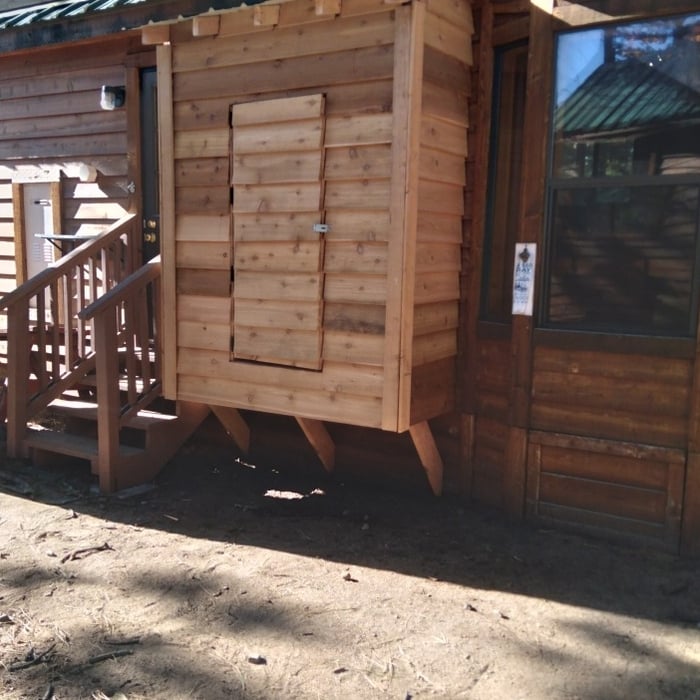
Bump-out additions can extend anywhere from 2 to 15 feet from an existing room. The right size will depend on how you plan to use the new space. For a cantilever bump-out, which doesn't require additional foundation support, the limit is typically 24 inches (2 feet). If a footing and foundation are part of the project, a bump-out can be much larger, even encompassing a whole room. It's also important to remember that many residential properties have limits on the total house size relative to the lot size.

In framing, studs are placed at 16-inch intervals to coincide with the typical spacing of wall materials such as drywall or plywood. This spacing is called "on-center" and is necessary for maintaining structural stability and efficient use of materials. The 16-inch spacing also helps to distribute the weight evenly across the building's structure. For those looking to cut material costs and improve energy efficiency, 24-inch stud spacing can be employed through a method called "advanced framing". This requires careful planning and adherence to local building codes to ensure structural integrity.