










Top-rated deck maintenance specialists.

Get matched with top deck maintenance specialists in Marina, CA

Enter your zip and get matched with up to 5 pros

Need a pro for your deck maintenance project in Marina, CA?

Select your specific project to find the pro for you.

TRUSTED BY MARINA, CA HOMEOWNERS

  • Average homeowner rating star icon4.7
    Average homeowner rating
  • Verified reviews icon15
    Verified deck maintenance services reviews
Deck Maintenance questions, answered by experts

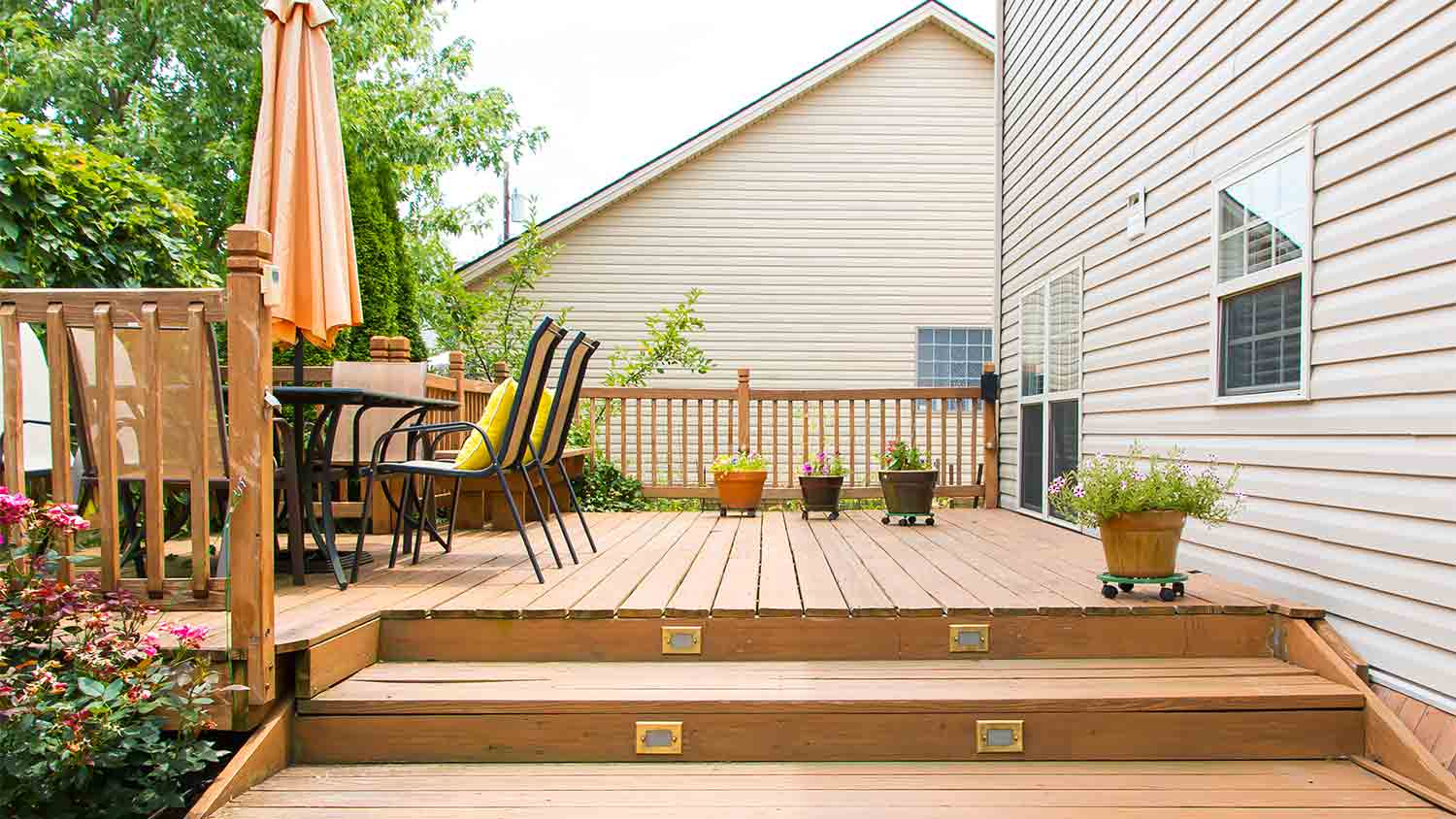
What goes under your floating deck depends on your preferences. Some homeowners put landscaping fabric underneath their decks to prevent weeds from popping up through the boards. Others choose to build a floating deck over grass or gravel. However, it’s best not to set your deck directly on the ground. Instead, set your deck on blocks to keep it elevated enough to prevent moisture from rotting the wood.

Unless you’re using a 2-in-1 formula or painting over an existing coat of paint, it pays to apply a coat of primer ahead of your new paint. Decks see a lot of footfall and exposure to extreme and sudden temperature changes and moisture levels. The primer promotes better paint adhesion, moisture repellency, and a smoother finish, which means you’ll often need fewer coats of paint. 

It is definitely worth sanding a deck to ensure the wood absorbs new stain. Sanding a deck removes the outer layers of aging wood, allowing the stain to penetrate. It also gives a fresh look to the entire surface as part of the deck refinishing process. Without sanding, your stain or sealant is less likely to absorb into the wood. While sanding a deck is a time-intensive project, the rewards are noticeable and long-lasting.


Building a deck without a permit could lead to fines for both the homeowner and the contractor. The exact penalties will depend on your state and municipal building laws. You might also be required to remove the deck and apply for a permit before you can build another. While it might be tempting to skip the permit to save a few bucks, it’ll cost you much more if you’re caught.

Liquid rubber is great for waterproofing, but it can damage your deck if it’s not applied correctly. First, it can trap moisture in the wood if the deck isn’t completely dry before application.  Second, applying it too thickly can create a heavy, rubbery surface layer that peels and cracks under fluctuating temperatures. For the best results, ensure the wood is completely dry before application, and apply the liquid rubber in thin, even coats. A quick inspection every now and then will help you catch any issues early, keeping your deck protected and looking its best.