






Top-rated generator install pros.

Get matched with top generator install pros in La Palma, CA

Enter your zip and get matched with up to 5 pros

Need a pro for your generator install project in La Palma, CA?

Select your specific project to find the pro for you.

Find Generator install pros in La Palma

Avatar for Casaroja Electric Inc
Casaroja Electric Inc
5.0(
19
)
Fixed Generator - InstallPortable Generator - Install

Serving La Palma, CA and surrounding areas

Approved

Emergency services offered

Warranties offered

Offers commercial services

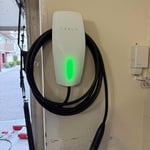
"Sergio did a fantastic job! Very happy with the clean install of my tier 2 charger and he added a plug down below my panel. Would recommend for any sort of EV charging installs! Clear communicator, showed up when he said he would and his services were well-priced!"
Panel upgrade
Panel upgrade
Panel upgrade
Panel upgrade
Panel upgrade

+1

5 neighbors recently requested a quote
Avatar for ZERO ELECTRIC
ZERO ELECTRIC
4.9(
10
)
Fixed Generator - InstallGenerator - InstallGenerator - Install - For Business+1 more

Serving La Palma, CA and surrounding areas

Approved

Super Service Award Winner

In business since 2021

Free estimates

Credit card accepted

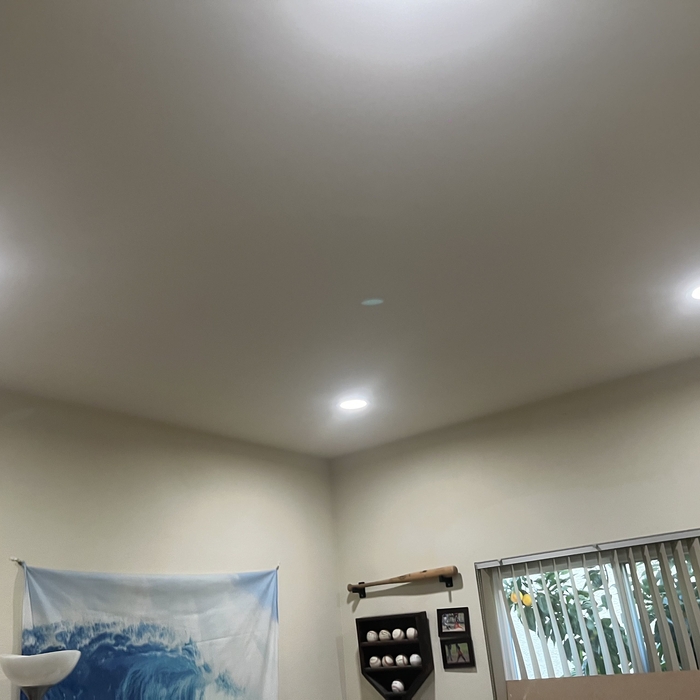
"Highly Recommended! We have hired Zero Electric to do several jobs at our apartment complex including installing a generator, EV chargers, new panel, and even installing recessed lighting in the units. They handled all aspects of the projects and had top notch communication throughout. The team has always been quick and professional. We will continue using Zero Electric for our electrical needs."
Additional Photos
Additional Photos
Additional Photos
Additional Photos
Additional Photos

+1

1 neighbors recently requested a quote

Recommended by70%of homeowners
...
Showing 1-10 of 188
Generator Install questions, answered by experts

To determine the right size generator for your house, you should calculate the total wattage of the appliances and devices you want to power during an outage. List all essential items, note their start-up wattages, and add them together.

Here are some typical wattage requirements for common appliances:

  • Refrigerator: 600 watts

  • Large dehumidifier: 700 watts

  • Large window air conditioner: 1,400 watts

  • Water heater: 3,000 to 4,500 watts

  • Electric furnace: 5,000 to 25,000 watts

A 7,500-watt generator might be sufficient for essentials like a refrigerator, freezer, well pump, and lighting circuits. However, for high-demand items like a water heater or furnace, a whole-home generator is a better choice. A portable generator may be enough if you only need to power a few critical items.

While home square footage can offer a rough estimate, it is not always a reliable indicator. For reference, here are some typical generator sizes based on square footage:

  • 1,000 sq ft: 6–9 kW

  • 1,500 sq ft: 7–10 kW

  • 2,000 sq ft: 10–14 kW

  • 2,500 sq ft: 12–16 kW

  • 3,000 sq ft: 16–20 kW+

For the most accurate sizing, consult a professional who can calculate your home's peak and average power consumption and recommend the optimal generator.

Yes, installing a generator usually increases your property value because buyers are getting the added peace of mind knowing they’ll be able to maintain power through blackouts. In most cases, you should see close to a 100% return on investment (ROI). Keep in mind that home generators usually need a permanent foundation, and installing a concrete slab will likely raise your property taxes slightly.

A home that is 2,500 square feet will likely need a 20kW to 25kW generator. Consult your local generator installer to confirm the generator size needed to power your home before purchasing a new one. Be sure to consider how much power your necessary devices need to run.

While natural gas generators are costly, they’re a great option for standby power due to the reliability of natural gas as a fuel source. Unlike other fuels, natural gas is delivered through underground pipes, making outages extremely rare and less likely to be affected by the elements. As long as the area isn’t prone to earthquakes, they offer an unlimited supply of natural gas that doesn’t degrade over time or require storage in tanks.

In most municipalities, you will need a permit to install a permanent home generator, including emergency backup, partial-home, and whole-home generators. A permit for a generator usually costs between $50 and $250, depending on where you live. Your electrician or certified generator installer will usually pull the permit for you—and might be required to do so by your building department—but you’ll be on the hook for the cost of the permit. You should ask your installer before agreeing to any work if they will pull the necessary permits for your project.

The La Palma, CA homeowners’ guide to generator installs

From average costs to expert advice, get all the answers you need to get your job done.