



Top-rated window tinters.

Get matched with top window tinters in Igo, CA

Enter your zip and get matched with up to 5 pros

Need a pro for your window tinting project in Igo, CA?

Select your specific project to find the pro for you.

Find Window tinters in Igo

Avatar for Frontpoint
Frontpoint
4.7(
8,819
)

Serving Igo, CA and surrounding areas

In business since 2007

Free estimates

Emergency services offered

"Sales process was good, courteous and helpful. Installation instructions were easy to follow. Did have a small issue with one sensor which was easily solved with a call. Control panel is easy to use and well constructed. Phone app is the best part. Not a big fan of a 2 year contract and the monthly rate feels a little high, but definitely a decent system. I had emailed them a question pertaining installing on double hung windows and never received a reply, but other than that their phone support prior to that was good."
Recommended by93%of homeowners
Window Tinting questions, answered by experts

Home window tinting is generally considered a worthwhile investment due to its numerous benefits. The primary advantages include:

  • Energy Efficiency: Tinting reduces solar heat gain, which lowers cooling costs in warmer months. It can also help retain heat during cooler months, leading to savings on your electric bill that may eventually exceed the initial cost of the tinting.

  • UV Protection: It blocks harmful UV rays, protecting your family and pets from sun damage. This also prevents fading and extends the life of your furniture, flooring, and other interior furnishings.

  • Increased Comfort: By regulating heat, window tinting helps maintain a more comfortable and even temperature throughout your home. It also reduces glare on TVs and other electronic screens.

  • Enhanced Privacy and Security: Tinting makes it more difficult for outsiders to see into your home. Additionally, certain types of window films can increase security by helping the glass withstand trauma from break-in attempts or severe weather.

It's important to note that not all window tints offer the same combination of benefits. For example, security films are designed for impact resistance but may offer less UV protection, while ceramic tints excel at blocking heat and UV rays but do not provide the same level of security.

The most popular tint percentage for home windows is 35%. Generally, most homeowners choose a visible light transmission (VLT) between 50% and 35%, where lower numbers mean less sunlight enters the home. A 35% tint blocks over half the incoming light while still allowing plenty of natural light, which can improve energy efficiency and comfort. If privacy is a primary concern, you can opt for a tint of 50% or lower to make it more difficult for people to see inside. However, keep in mind that very dark, thick tints may offer fewer energy-efficiency benefits.

Unlike cars, there are no laws regulating window tint percentages on homes, so you can choose what you think is best. It is often a good idea to hire a professional, as they can show you samples of how different tint levels will look in your specific property, helping you make the right choice.

One drawback is that window film can reduce the amount of natural light entering a room, particularly if you opt for a darker or more opaque film. Additionally, if not installed properly, window film may develop air bubbles or wrinkles, affecting its appearance. Over time, certain types of window film may also experience discoloration or peeling. Moreover, certain window films can interfere with wireless signals, such as Wi-Fi or cellular reception. Careful consideration of these potential drawbacks is essential when deciding whether window film is the right choice for your home.

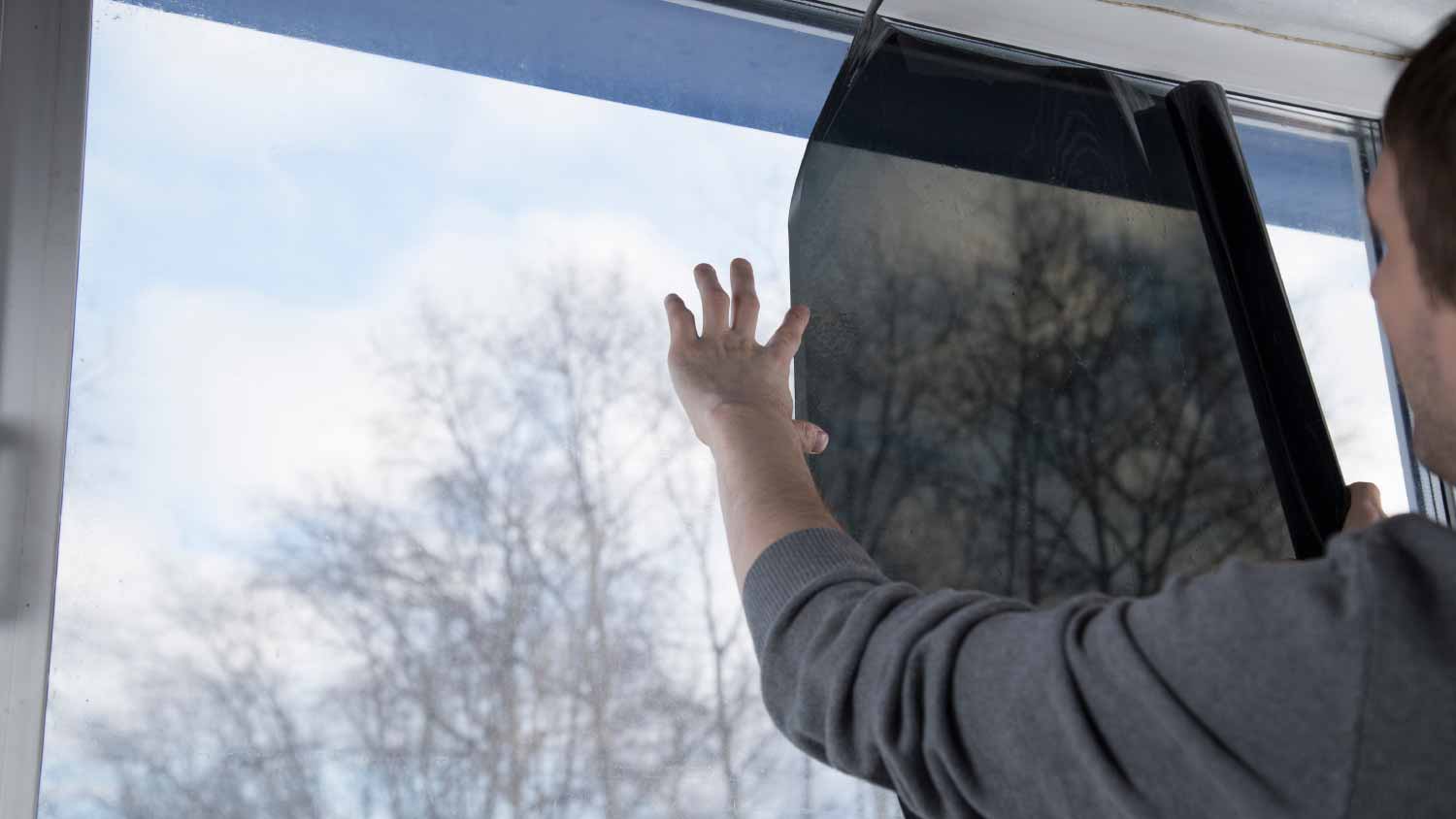
Most window installation and repair companies can handle putting tint film over your existing windows, but it’s best to hire a company that specializes in window tinting. This decision will result in the best application for the cleanest look, and it usually means you’ll get a better professional opinion about the type of tint and tint level that makes the most sense for your home and personal preferences.

Tinted window films for houses are usually made from a micro-thin sheet of thermoplastic resin called polyethylene terephthalate (PET) that offers the strength and flexibility needed when fitting film to a window. Homeowners looking for a solution that insulates a window without blocking light from a home should investigate low-e glass vs. window film.

The Igo, CA homeowners’ guide to window tinting services

From average costs to expert advice, get all the answers you need to get your job done.

What do you need done? We’ll find top pros.
  • 🌱 "Mow a small front yard"
  • 🛠 "Fix a leaking pipe under the sink"
  • 🏠 "Repair shingles on an asphalt roof"