


Top-rated window tinters.

Get matched with top window tinters in Corning, CA

Enter your zip and get matched with up to 5 pros

Need a pro for your window tinting project in Corning, CA?

Select your specific project to find the pro for you.

Find Window tinters in Corning

Avatar for America's Best Inc
America's Best Inc
4.1(
2,198
)

Serving Corning, CA and surrounding areas

In business since 1982

Free estimates

Credit card accepted

"

The cleaners removed the window screen but while cleaning them, they destroyed my windows screen.

I have very high windows and the cleaners left behind water marks all over, did not look very good.


"
10,000 square foot home
We love Los Angeles
skylight cleaning
Recommended by77%of homeowners
Avatar for Frontpoint
Frontpoint
4.7(
8,819
)

Serving Corning, CA and surrounding areas

In business since 2007

Free estimates

Emergency services offered

"Install was easy. Up front cost was pretty low with Angie's List coupon. Monthly price is a little high compared to competing companies. Response time with alarms is excellent. I was advised to use glass break alarms within 10 ft of my first floor windows, which we installed correctly. I asked prior to installation if having one in the kitchen would cause false alarms due to dishes clanging, etc. I was told the glass break alarms are configured to a precise frequency that alarms with breaking glass. So, not a "no", but not really an answer. Well, every time we cook dinner, wash dishes or empty the dish washer, the kitchen glass break alarm gives a warning which would sound the alarm if it was set. This has caused us a number of false alarms while we've been away due to shifting bowls or plates in our drying rack. For the first several we've had to pay our police department $120 to check the house, and I was only notified after the first alarm that there was a cheaper option for a security company to drive by to check for a break in."
Recommended by93%of homeowners
Window Tinting questions, answered by experts

The most popular treatment for a skylight is skylight shades. There are five primary types: manual, motorized, blackout, cellular//honeycomb, and Venetian. Motorized skylight shades are the most convenient, especially for skylights that are higher up, but manual shades are the most cost-effective treatments. Cellular/honeycomb shades are a perfect option for anyone who wants energy efficiency and an attractive look.

The most energy-efficient windows are double—or triple-pane windows with low-emissivity (Low-E) coatings and gas fills between the panes. These windows reduce heat transfer, prevent drafts, and help maintain a consistent indoor temperature. But if replacing windows isn’t in your budget, pairing your existing windows with insulating window treatments can still make a noticeable difference in home comfort and monthly bills. 

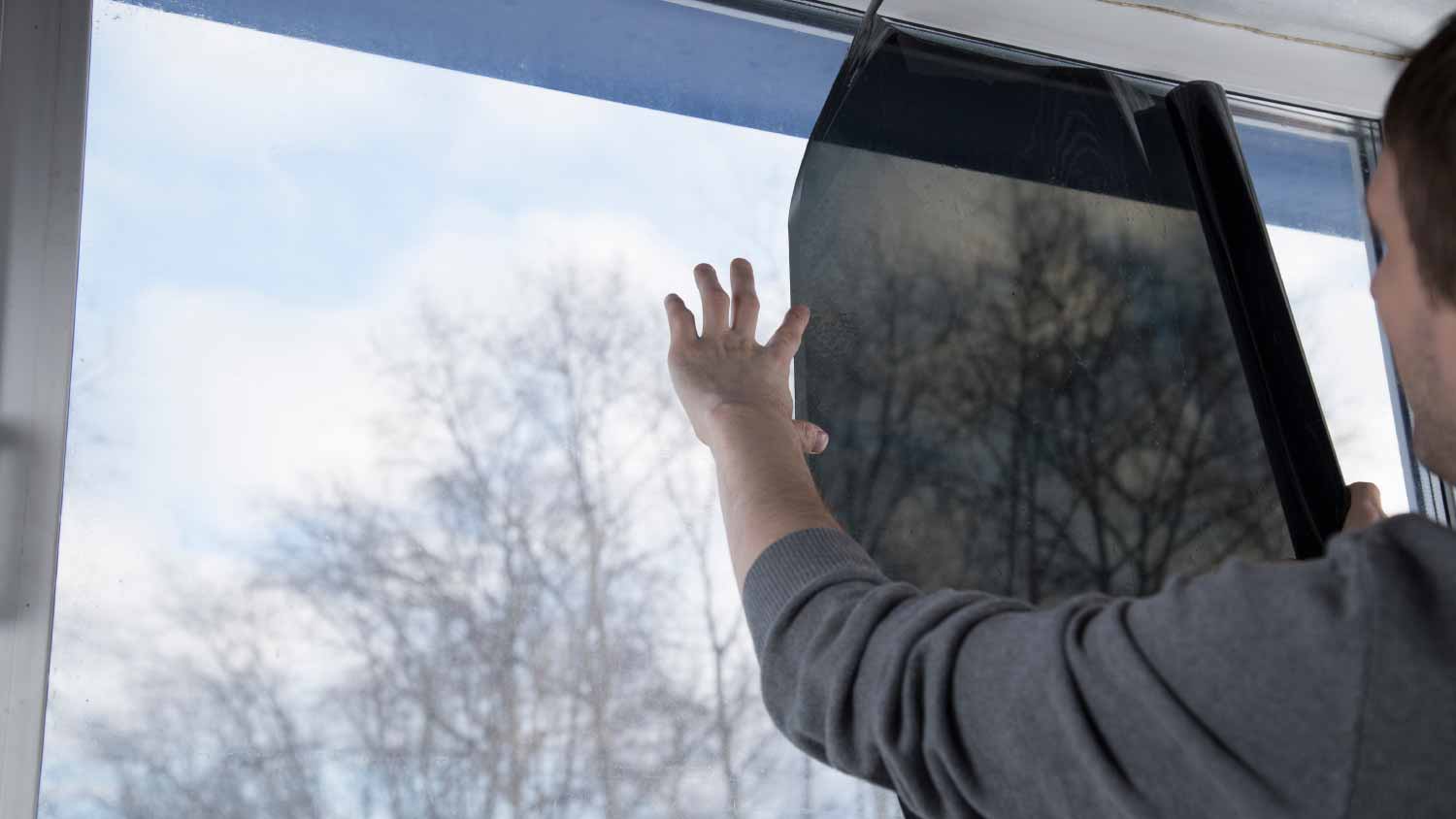
While it is possible to install home window tint yourself, it is a challenging task that is often best left to professionals. The process can be tedious and time-consuming, requiring steady hands and a great deal of patience, especially for a first-time installer.

Common mistakes in DIY applications include visible bubbles, imperfections, and film that either hangs over the edges or doesn't fully cover the glass. These errors not only look unprofessional and detract from your home's curb appeal but can also reduce the tint's effectiveness in blocking sunlight and heat. If you have struggled with applying protective films to smaller items like phones or tablets, you may find this task particularly difficult.

Attempting the installation yourself and making a mistake can lead to wasted material and the additional cost of hiring a professional to fix the issues or redo the job. Although hiring a professional involves labor costs, it typically guarantees a high-quality, seamless appearance and saves you from having to do the work over again.

Tinted window films for houses are usually made from a micro-thin sheet of thermoplastic resin called polyethylene terephthalate (PET) that offers the strength and flexibility needed when fitting film to a window. Homeowners looking for a solution that insulates a window without blocking light from a home should investigate low-e glass vs. window film.

The most popular tint percentage for home windows is 35%. Generally, most homeowners choose a visible light transmission (VLT) between 50% and 35%, where lower numbers mean less sunlight enters the home. A 35% tint blocks over half the incoming light while still allowing plenty of natural light, which can improve energy efficiency and comfort. If privacy is a primary concern, you can opt for a tint of 50% or lower to make it more difficult for people to see inside. However, keep in mind that very dark, thick tints may offer fewer energy-efficiency benefits.

Unlike cars, there are no laws regulating window tint percentages on homes, so you can choose what you think is best. It is often a good idea to hire a professional, as they can show you samples of how different tint levels will look in your specific property, helping you make the right choice.

The Corning, CA homeowners’ guide to window tinting services

From average costs to expert advice, get all the answers you need to get your job done.