






Top-rated excavation pros.

Get matched with top excavation pros in French Camp, CA

Enter your zip and get matched with up to 5 pros

Need a pro for your excavation project in French Camp, CA?

Select your specific project to find the pro for you.

Find Excavation pros in French Camp

Avatar for Herman Landscaping and Sprinkler Services
Herman Landscaping and Sprinkler Services
4.3(
24
)

Serving French Camp, CA and surrounding areas

In business since 2003

Free estimates

Emergency services offered

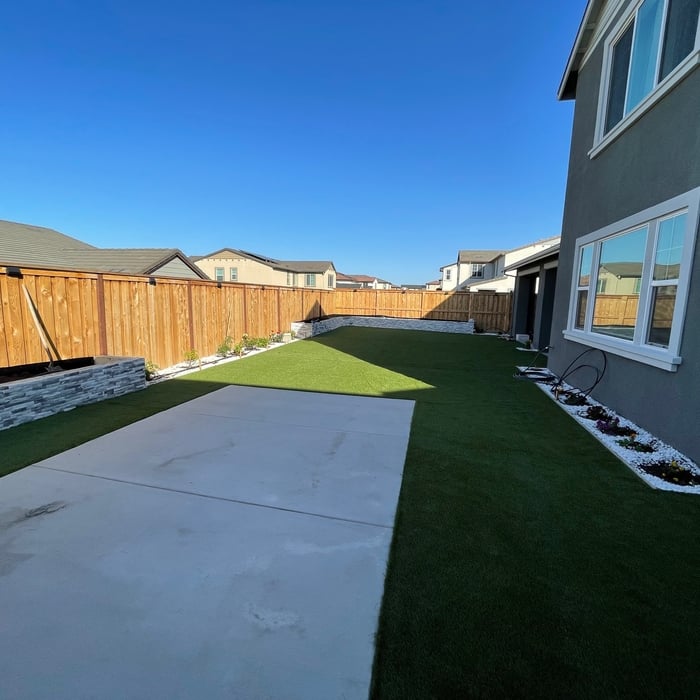
"Attention to detail.. impressive finish. Herman did my artificial turf installation and finished my retainer walls and irrigation. impressed with his attention to detail."
Landscaping installation, bark,rocks, grass and irrigation system
Trex Deck
Grass installation
Landscaping design and project
Synthetic grass

+89

Response time1 day
Response rate100%
Recommended by95%of homeowners
Showing 1-10 of 35
Excavating questions, answered by experts

Skunk digging looks like a series of small, cone-shaped holes on a lawn or around the perimeter of a home, porch, deck, or shed. The holes that skunks dig when searching for grubs tend to be no more than four inches in diameter and may be up to four inches deep.

Depth is not a qualifying component of evacuation. Any human-made cut, cavity, or depression in the earth’s surface is considered excavation. The hole from excavation can be any size, shape, or depth. Excavation is used to create foundations, reservoirs, drainage ditches, and roads. Long, narrow excavations are called trenches and are often used for underground utilities.

If you’re planning to dig on your property, you’ll need to check for underground utility lines. Call the national call-before-you-dig 811 number. Once connected to an operator, you can schedule a site visit to mark underground lines. This way, you won’t accidentally dig into pipes and can cause major (read: costly) issues.

Septic drain lines (or leach lines) are typically buried between 18 and 36 inches underground, and should be at least 6 inches below the surface. These pipes are perforated and surrounded by filtering materials like sand or gravel. Burying the lines at this depth helps minimize odors and allows bacteria and other biological processes in the soil to effectively treat the wastewater. Burying lines too close to the surface can cause issues unless the soil is very compact and stable.

Most residential basements are 8 to 10 feet deep. You can dig deeper depending on building codes, but it does become more difficult. You’ll likely need to install stronger foundation walls and additional supports to handle the increased load. Depending on the water table, you may also need a water management system. Clay soil can support a deeper foundation than sandy soil. A structural engineer will be able to tell you the maximum, feasible depth.

The French Camp, CA homeowners’ guide to excavation services

From average costs to expert advice, get all the answers you need to get your job done.