

Top-rated electricians.

Get matched with top electricians in Diamond Springs, CA

Enter your zip and get matched with up to 5 pros

Need a pro for your electrical service project in Diamond Springs, CA?

Select your specific project to find the pro for you.

TRUSTED BY DIAMOND SPRINGS, CA HOMEOWNERS

  • Average homeowner rating star icon4.7
    Average homeowner rating
  • Verified reviews icon426
    Verified electrical services reviews

Find Electricians in Diamond Springs

Avatar for WiseCo Electric
WiseCo Electric
4.5(
99
)
Electrical Wiring or Panel Upgrade

Serving Diamond Springs, CA and surrounding areas

Approved

In business since 2002

Free estimates

Warranties offered

"It took two visits to resolve the issues and complete the installation. Byron returned calls promptly, was on-time, courteous and professional. The work was done well and area cleaned up at the end of the work.  I would highly recommend him for any electrical work you need inside or outside your home or business.
"
ART LIGHTING
BYRON SOLAR
COMMERCIAL
DINING FIXTURE
LIGHTIN INSTALLATION

+2

11 neighbors recently requested a quote
Recommended by97%of homeowners

Imboden's Electric
4.9(
34
)
Electrical Switches, Outlets & Fixtures - Install or RepairElectrical Wiring or Panel UpgradeElectric Vehicle Charging Station Installation - Materials Not Provided+5 more

Serving Diamond Springs, CA and surrounding areas

Approved

In business since 2004

Free estimates

Emergency services offered

"Very professional man .i was very happy with the work and the time they took to complete the job .i would definitely call back for any electrical work . Pricing was also pretty good and very fair . Thank you Perez family"
Response time1 day
3 neighbors recently requested a quote
Recommended by96%of homeowners
Avatar for Kranick Electric Inc
Kranick Electric Inc
5.0(
8
)
Electrical Switches, Outlets & Fixtures - Install or RepairElectrical Wiring or Panel UpgradeElectrical for Home Addition or Remodel - Install

Serving Diamond Springs, CA and surrounding areas

Approved

In business since 2025

Emergency services offered

Warranties offered

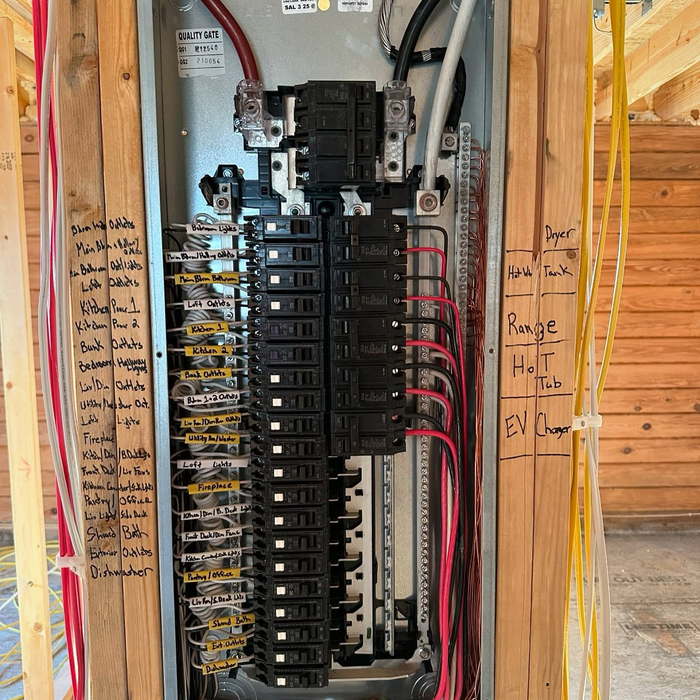
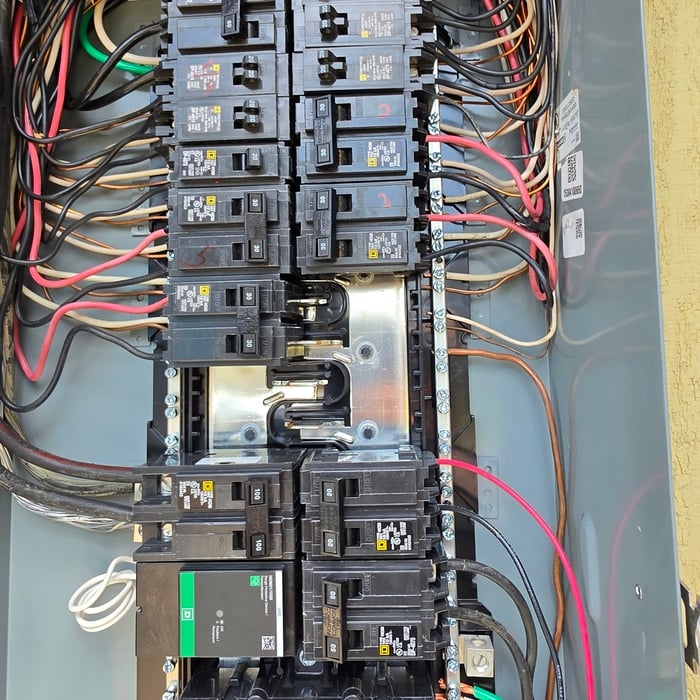
"I feel *extremely lucky* to have found a Kranick Electric to upgrade the electrical service at my home, and to replace my dangerous and old Zinsco panels with safe panels that were up to code. See my two photos below for the "before and after" pictures. I received a very reasonable estimate, so I knew how much it was going cost right from the beginning. He showed up when he said he would, and completed the work ahead of schedule. He even hung a light fixture for me in my dining room while he was here. (Thank you!!) Daniel is most personable and professional you will ever meet. I highly recommend Daniel and Kranick Electric for any electrical work, big or small. I've been very happy with his work and will gladly have him back for anything electrical. Laurie Grass Valley"
New service location
...
Showing 1-10 of 184
Electrical questions, answered by experts

Yes, hot tubs can use a significant amount of electricity, primarily to keep the water heated. A typical hot tub uses between 1,500 and 6,000 watts, and the pump can add another 1,500 watts. This usage can result in a monthly cost of around $20 to $30. The exact amount of electricity consumed depends on several factors, including the hot tub's age, size, heater voltage (120V vs. 240V), usage habits, and thermostat setting. Newer, energy-efficient models generally use less power than older ones. To reduce electricity costs, consider investing in an energy-efficient model, using a quality insulated cover with a thermal blanket, and keeping the filters clean.

No, there aren’t additional code requirements for kitchen lights. Kitchen lights and other electrical circuits in the kitchen have different code requirements. Outlets need to be particularly robust because of their frequency of use and proximity to liquids. If you need help determining where to install outlets in your kitchen, consult a local electrician who can ensure that placement is functional and up to code.

Multiple wire sizes are used for residential electrical purposes. While the most common sizes used in homes are 14 and 12 gauge, some appliances, such as stoves, electric water heaters, central air units, etc., may use larger gauge wire to accommodate their larger amperage. Typically, larger appliances require 10-, 8-, or 6-gauge wires.

If you need to run a wire from the meter to the breaker box, start by turning off the power using the main switch to avoid injury risks from live wires. Then, locate the ground wire from your meter and connect it to the ground bar of the breaker box. Connect the neutral wire using the same method to improve your circuit efficiency.

Next, locate the hot wires running from the main switch to the meter. To connect them to the correct terminals from meter to breaker, unscrew the nuts of the breaker hotwire terminals, insert the positive hotwire, and ensure it’s firmly attached. Finally, secure the wires with electrical tape and wire tie cables before re-securing your breaker box. Keep in mind that this process can be dangerous, so don’t hesitate to hire a local electrician.

No. Do not use a 14-gauge wire on a 20-amp outlet. A certified licensed electrician would know that the National Electrical Code (as per Section 240.4(D) subsection 3) requires 14-gauge wires to be used with a maximum amplitude of 15. Therefore, you should only use 12-gauge wires on 20-amp outlets.

The Diamond Springs, CA homeowners’ guide to electrical services

From average costs to expert advice, get all the answers you need to get your job done.