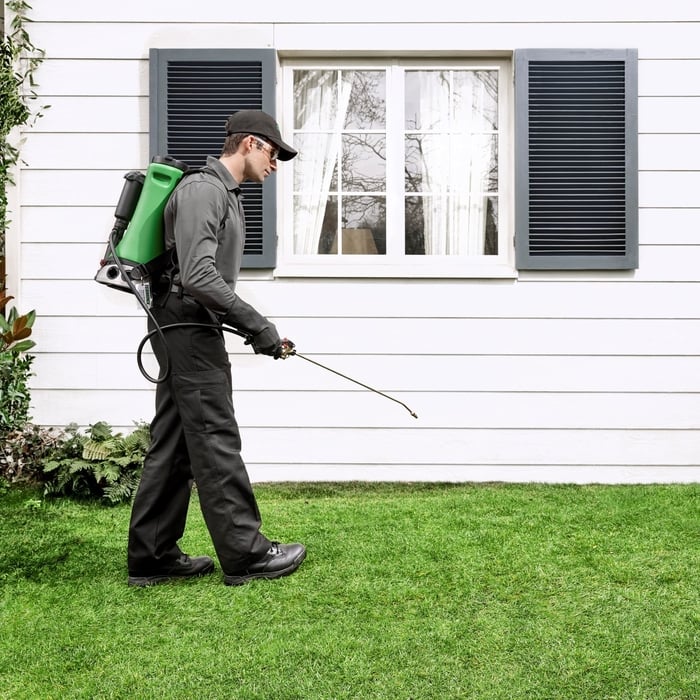
"Very knowledgeable guy who seem to know what he’s doing. Don’t know results of spraying. Have had much rain since. Will have to see if it worked. Terminex will spray again the beginning of next month."
"Long time between return calls, after tenting the house we still found live bugs in the house. No confidence in the costly proceedure. made us make 2 100 mile trips for questionable reasons."
"They have been very helpful. The refrigerator we had, had a control panel that they could not replace, so they gave us options and we were able to get a new refrigerator. They have saved us a lot of money over the year. They probably saved us $5000 on an AC issue. They are very prompt at responding and have been very professional."
Yes, predator decoys work to keep birds away, at least temporarily. However, if the decoy remains motionless in the same spot for a long enough time, the birds will eventually wise up and realize it's a fake. Keep changing the location of the predator decoy to ensure that the birds keep their guard up and maintain their distance.
Since fleas reproduce so quickly, the mere presence of one flea could mean you have an infestation on your hands. Hundreds and even thousands of fleas can lurk in your pet’s fur, carpet, furniture, and even your body. If you see fleas jumping on household items or notice your pet scratching more than usual, those are signs of infestation.
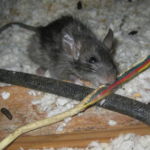
Roof rats are relatively small rodents that typically measure around six to eight inches in length (excluding their long, scaly tails that are often longer than their bodies). They have sleek black or brown fur, pointed snouts, and large ears. In general, they are typically smaller and darker in color than common brown rats.
Raccoons in a chimney sound like thumping, rustling, scratching, or scurrying. Because they can weigh as much as 20 pounds, they make noises that are noticeable and hard to miss. Plus, they have an average litter size of 3 to 7 kits, so you may hear what sounds like multiple animals thumping, rustling, scratching, or scurrying.
Carpenter ants can go away on their own if their food source is eliminated, but this could take weeks or months. If you have an infestation on your hands, carpenter ants need to be treated by pesticides from a licensed professional in order to go away as soon as possible.
The Covelo, CA homeowners’ guide to pest control services
From average costs to expert advice, get all the answers you need to get your job done.