"Well. Only problem was delay in response time after claim was filed online. Water tank started leaking Thanksgiving morning and no reply until I called the Regional Manager."
"I just pay $75 you never know who's going to come out. They do everything electrical. Just about everything is covered except the septic tank. I had an air conditioner replaced. It went great, all I had to do was pay for the freon. He didn't charge e more than what was needed."
We take great pride in our experience, expertise, quality and customer service that we provide to meet the consumer's needs. It is our mission to provide excellent workmanship, and complete customer satisfaction, from start to completion of a project. In order to understand the needs and expectations of our customers, we take great care to work and communicate with every customer in a professional manner. Our reputation is based on service, safety and quality, regardless of how large, or small the job. Call us today!\n
Getting well water tested costs$100 to $350 if done by a pro. You can also buy DIY test kits for $20 to $100, but professional tests are more reliable. You can get a comprehensive well inspection, which includes advanced water testing, for $700 to $750, which you should do yearly anyway.
Many variables, such as home size, type of engineered system, the material used, soil conditions, and water usage, dictate how long your system will last. On average, most homeowners find that their system lasts 15 to 20 years, though it’s not unheard of for them to last up to 40 years with annual and preventative septic maintenance.
Since vinegar is a weak acid with a pH of two to three, it’s generally safe for septic systems. It won’t eat away at the good bacteria in your septic tank and can help break down the sludge, which is its bottom layer. However, like with everything in life, moderation is key.
A septic system inspection costs $100 to $200. Doing so can spot issues early so you can plan for necessary repairs ahead of time and save yourself the issue of a backed-up septic tank. Some septic tank repair professionals do an inspection as part of their yearly maintenance on your septic tank if you choose to pay for that service, but you should shoot to have a septic system inspection completed at least once every two to five years.
There are a couple of ways you can determine the depth of your well. One method is to use a device called a well sounder. This tool has a long measuring tape containing a sensor to alert you once the end reaches the water.
Or you can DIY it by using a long tape measure with a half-filled bottle of water attached to it. Lower the tape measure into your well. Once you feel tension on the tape, you’ll know the bottle has reached your static water level. This will give you an approximate idea of your well’s depth.
The Coleville, CA homeowners’ guide to septic tank services
From average costs to expert advice, get all the answers you need to get your job done.
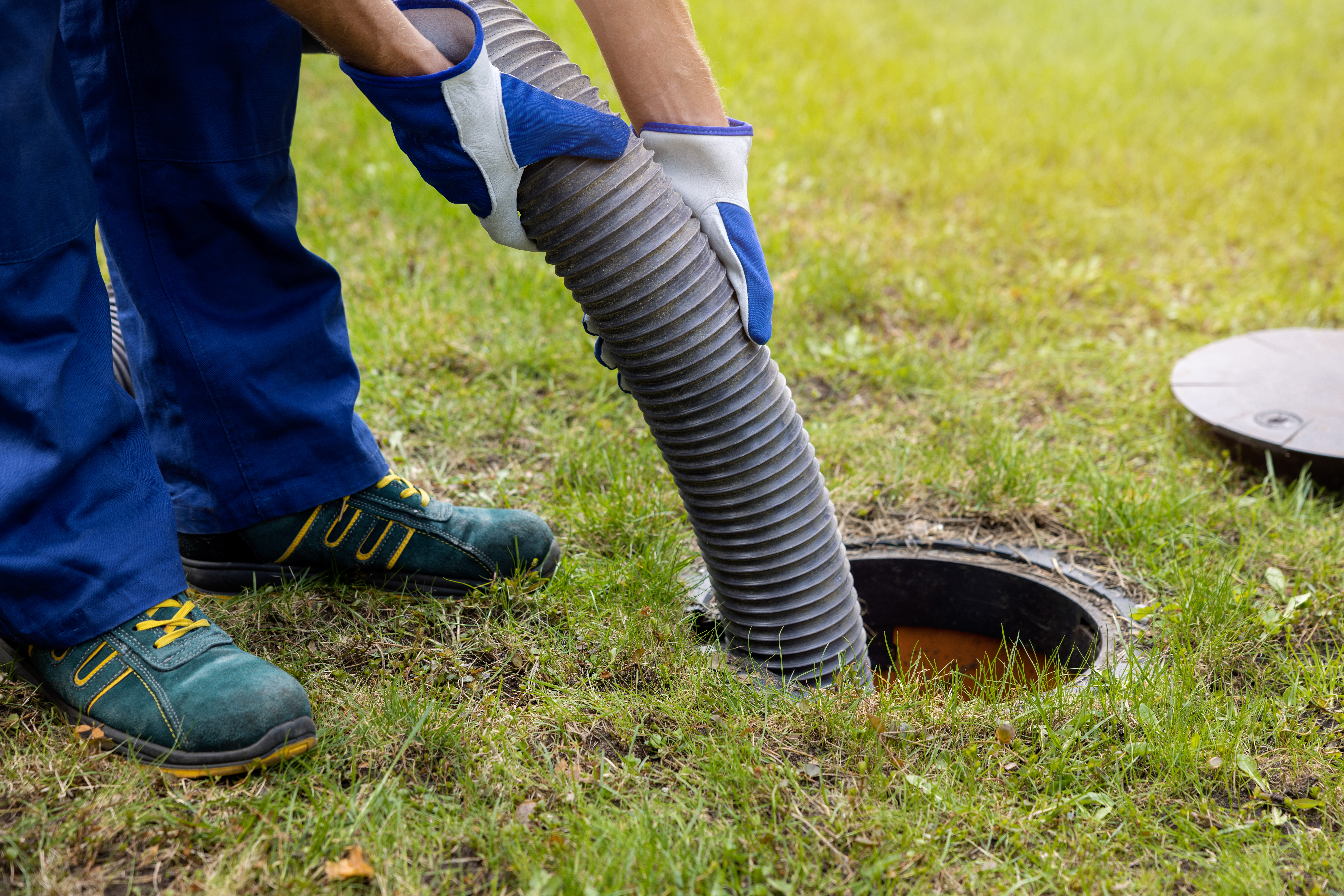
Caring for your septic system is crucial to ensuring its long life. But how much does it cost to pump a septic tank? We explore the different cost factors.
A damaged septic system can leak odors and sewage, so repairs are urgent. Find out how much septic tank repair costs based on repair type, tank size, and more.
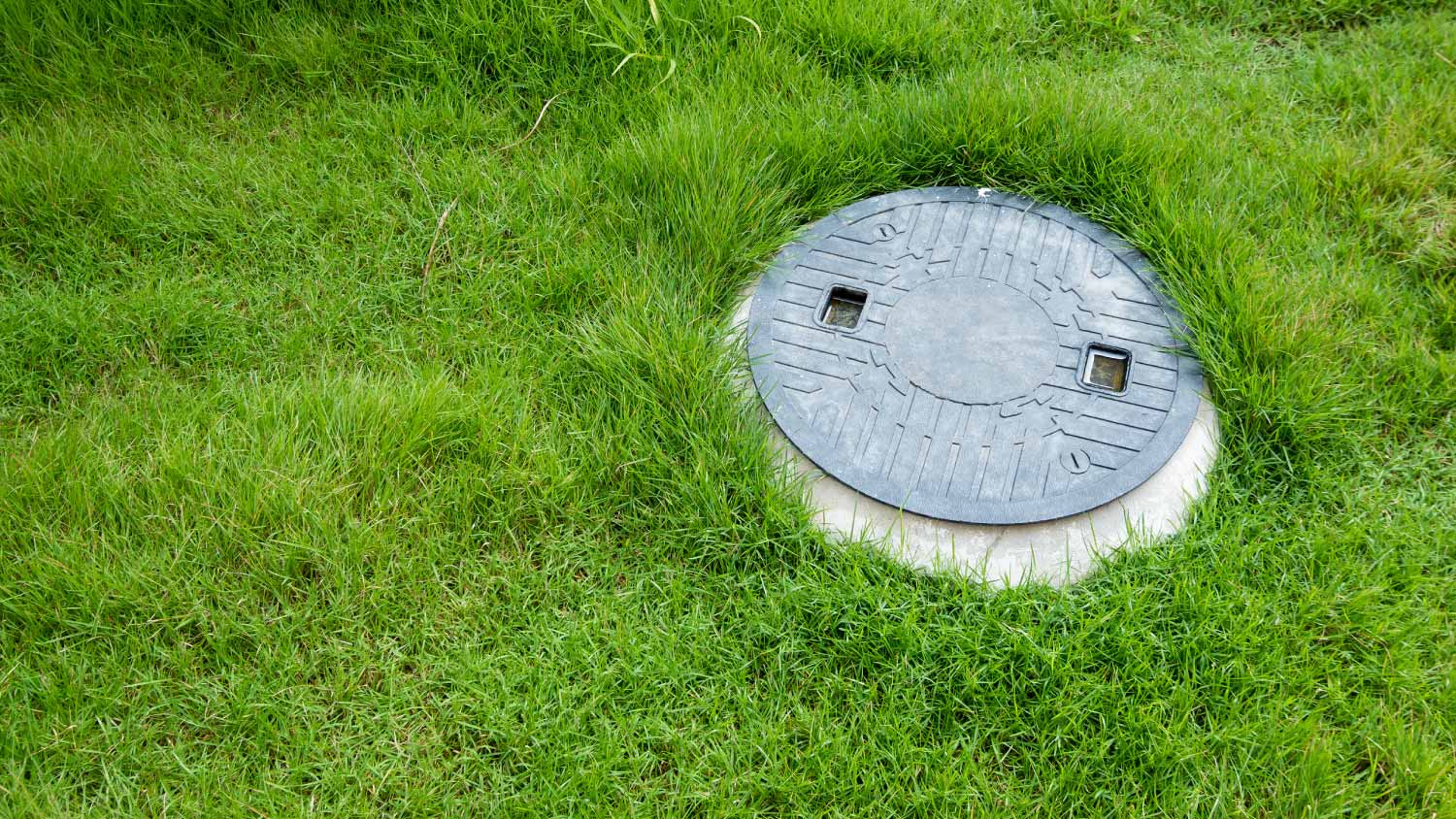
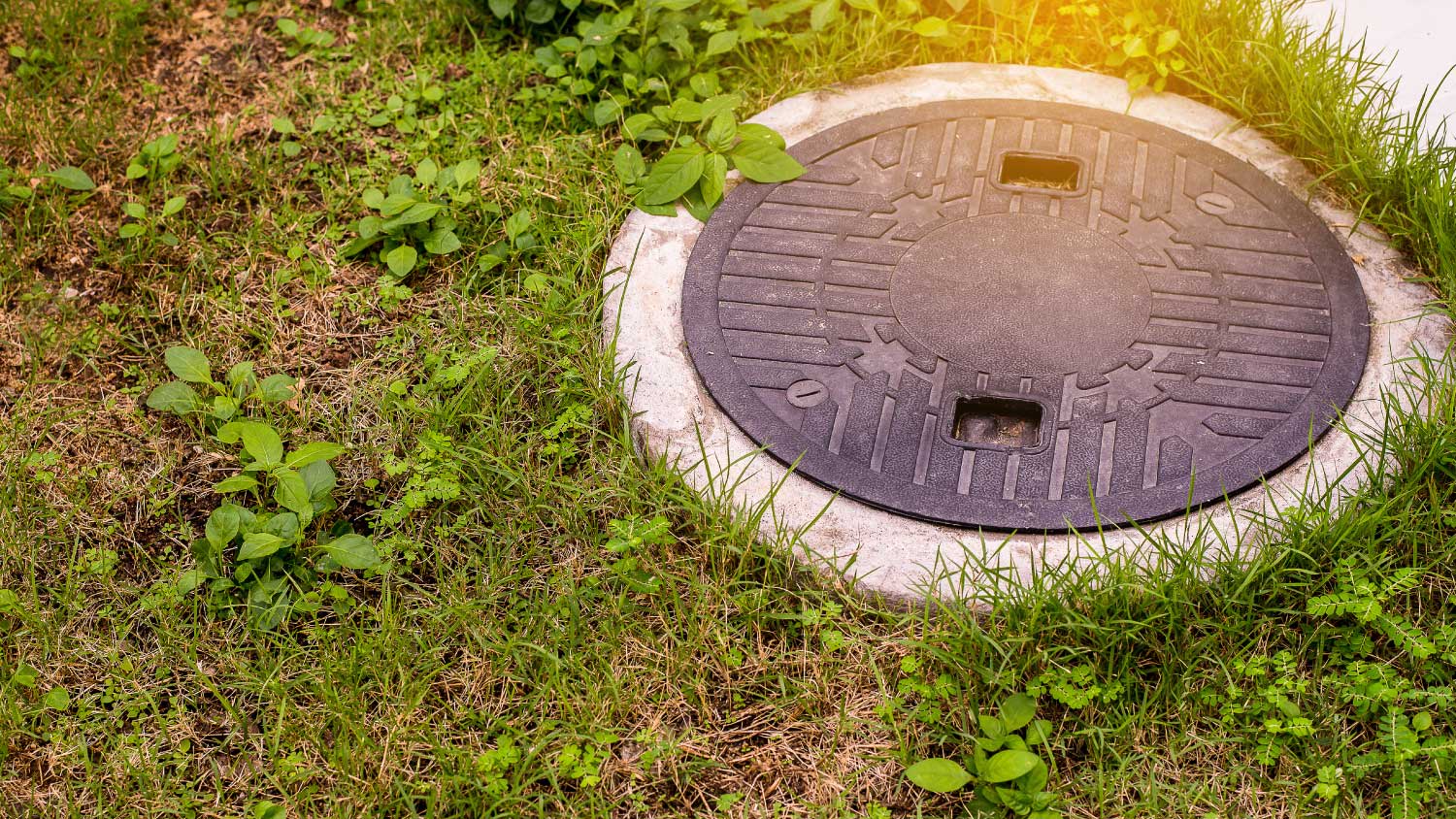
Septic tank risers make it easy to access your septic tank when it’s time for routine inspection, maintenance, and pumping, saving you precious time and labor costs.
Septic tank sizes vary depending on the size of your home, how many people live there, how much water you use, and more. Read on to learn how to determine the right size for you.