"Very professional and good customer service. Took care of all permits and provided an a good product. Would defiantly recommend Ric for any of your electrical needs!"
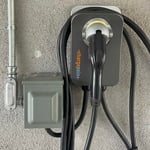
"I recently hired Herzog Brothers Electric to install a Level 2 EV charger (NEMA 14-50 outlet) at my home, and I couldn’t be more satisfied with the entire experience. From the initial quote to the final installation, everything was handled with professionalism, transparency, and expert-level workmanship.
Dustin and his team were prompt, courteous, and took the time to walk me through the entire process. They didn’t cut corners—every detail from conduit placement to material quality was top-tier. The wiring was clean, secure, and built to code. The team even gave thoughtful suggestions for future upgrades and made sure I was fully set up and operational before leaving.
In a market where good electricians can be hard to find, Herzog Brothers Electric delivered excellence. If you’re considering any kind of EV installation or electrical work, I highly recommend them.
Reliable. Honest. Professional. I’ll definitely be using them again.
— Julius M., Fresno, CA"
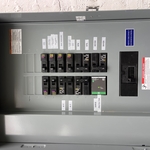
Veema electric, with 15 years of experience. Ev charger, main panel upgrades, troubleshooting etc. serving the Central Valley. Get it right the first time.
"The problem turned out to be a burned out small electric door switch. I believe the price was way too expensive for the service performed and the price of the door switch. What more can I say? It got done."
"Exterior antenna placed. Very knowledgeable and professional. Answered all my questions. I have another project, will higher Anthony for the job I highly recommend Anthony and his son."
Wiring a light switch wrong can cause a fire if the incorrect wiring causes arcing, meaning the current jumps uncontrolled from one conductor to another. Loose wires or worn wires that are not repaired or replaced can cause arcing. If you’re not 100% sure you can do the job safely, don’t attempt to wire a light switch on your own.
The main types are 15-amp 120-volt outlets (2-prong and 3-prong), 20-amp 125-volt outlets, and 240-volt outlets for large appliances. Safety types include GFCI, AFCI, tamper-resistant, and weather-resistant outlets. Convenience types include switched, combination, USB, smart, and rotating outlets.
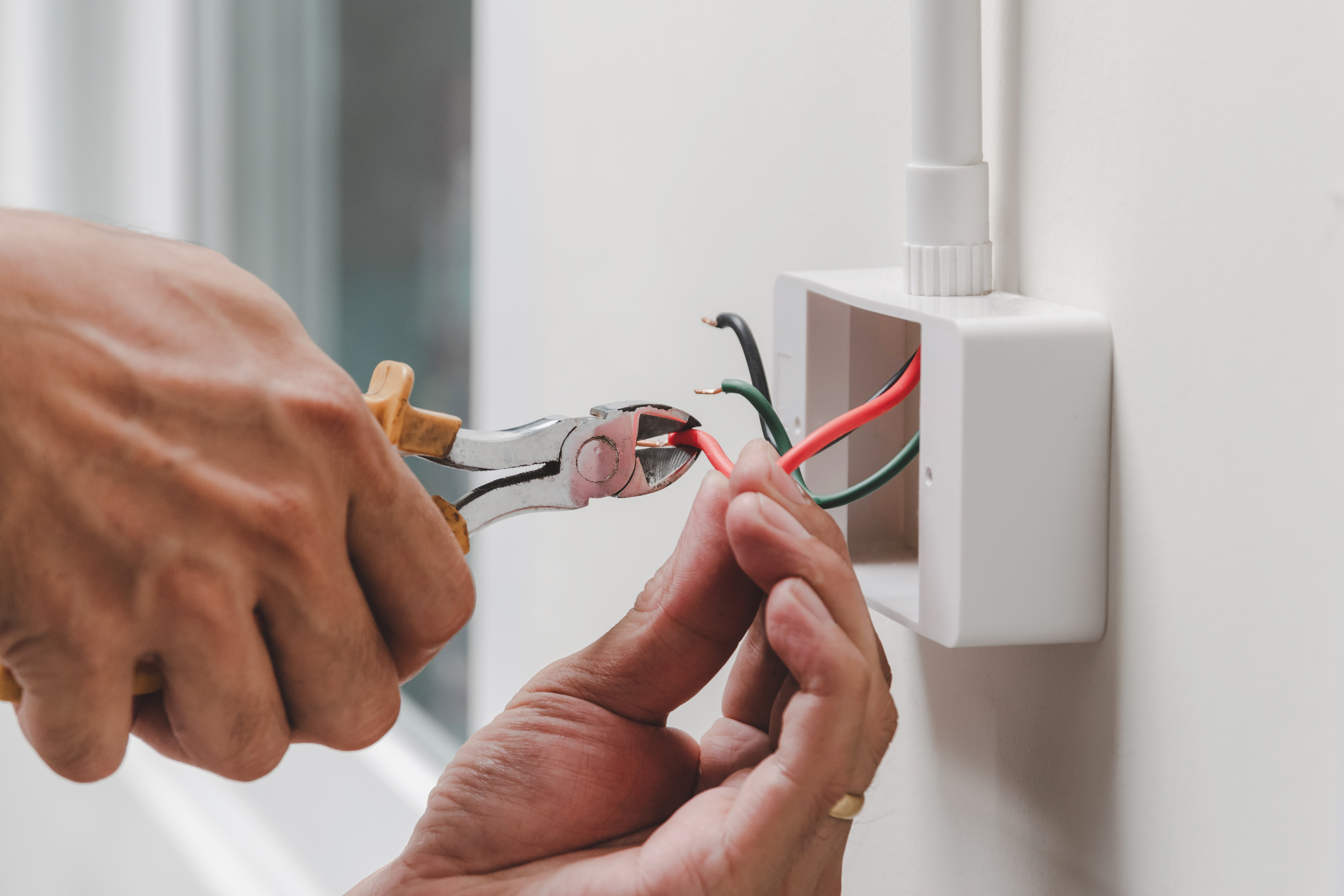
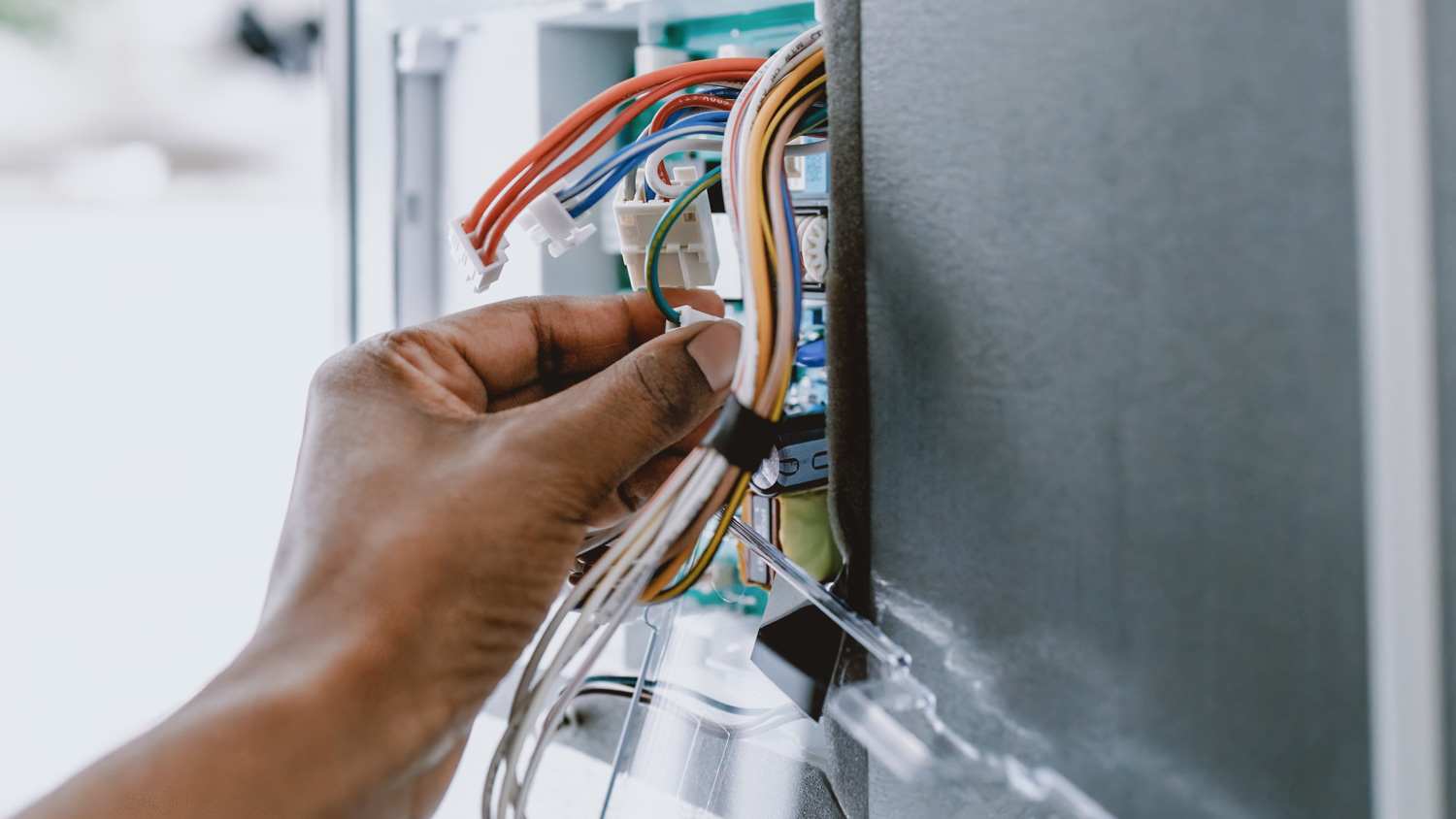
The color of your cable will help you to identify its function. In the U.S., the National Electrical Code (NEC) designates the color code for electrical cables. “Hot” cables are black, red, and blue. In cases of higher voltage lines, orange might also be used to indicate a hot cable. White or gray indicates a neutral, and green or green with a yellow stripe indicates a ground.
Overall, heating your home with an oil furnace tends to be less expensive than heating your home with an electric heating system. Oil heating systems stay warm for longer periods of time without drawing a constant electrical current to maintain a temperature. Plus, heating oil systems typically have a longer lifespan and lower price tag than their electrical counterparts, resulting in short- and long-term savings.
In the United States, home outlets support a standard 15 amps, but you can upgrade per outlet if necessary. Most single-family residential homes have a maximum overall amp rating, usually 100 to 200 amps. Very old houses may have less than 100 amps, but that’s rare. Large homes often come with amp services above 200 amps to support modern lifestyles.
The Coarsegold, CA homeowners’ guide to electrical services
From average costs to expert advice, get all the answers you need to get your job done.
Before you hire a licensed electrical contractor, you should learn the cost to run electric from the road to your house so you can budget for the project.
Whether you’re shopping for a new home or simply doing a safety check on your current place, learn what factors influence an electrical inspection cost.
Is it time to upgrade your electrical panel? For the sake of safety, find out sooner than later by exploring our top signs that it’s time for an upgrade.