



Top-rated animal fencing pros.

Get matched with top animal fencing pros in Clearlake, CA

Enter your zip and get matched with up to 5 pros

Need a pro for your animal fencing service project in Clearlake, CA?

Select your specific project to find the pro for you.

Find Animal fencing pros in Clearlake

Animal Fencing questions, answered by experts

Armadillos are most active during cooler hours to avoid extreme temperatures, particularly the daytime heat in the warm climates where they live. This activity pattern helps them reduce the risk of overheating and dehydration. They are generally active from late at night to early morning, often between 2 a.m. and 5 a.m., but can also be seen around dawn and dusk. An exception to this is during mating season (June-July in the northern hemisphere, November-December in the southern hemisphere), when male armadillos may be more active than usual.

Bears are most active at dawn and dusk. They can be active at any point during the day, but the hours after sunset and before sunrise are their primary feeding times. As far as time of year goes, bears are generally active from April to November and hibernate throughout the winter and early spring. Bears are more likely to be aggressive in the spring right after hibernation but more likely to be seen in the fall because they are preparing for hibernation.

While possums don’t typically carry rabies, they can have lice, fleas, ticks, and mites. According to the University of California’s Pest Management Program, possums can also carry diseases like leptospirosis, tuberculosis, toxoplasmosis, coccidiosis, and fevers. Possums are also the carriers of a parasite that can pass to horses and cats called Equine Protozoal Myeloencephalitis (EPM).

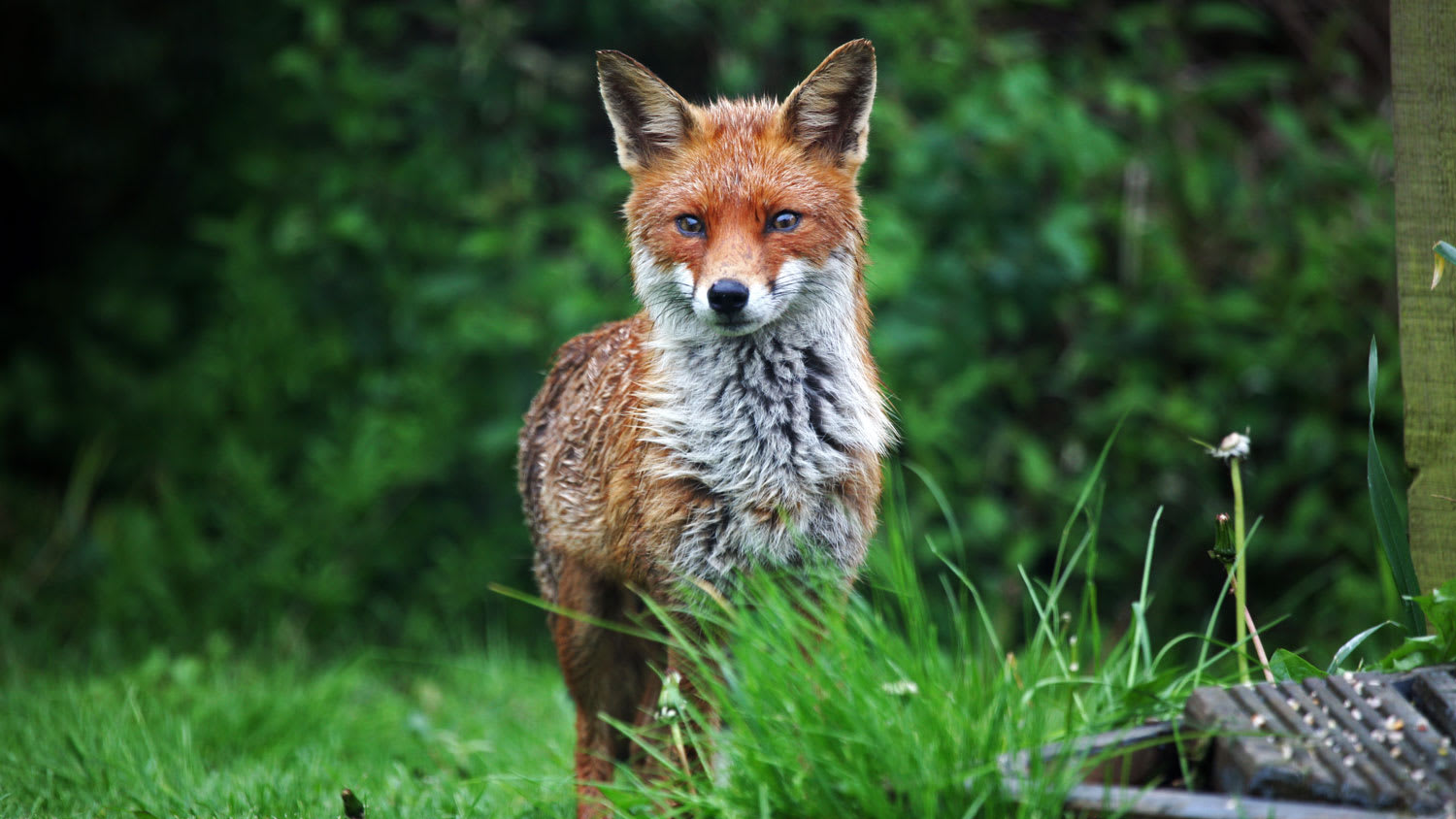
Foxes are primarily nocturnal, meaning you’re less likely to see one strutting onto your lawn in the middle of the day. However, daytime activity is more common if you have a female with her cubs on your property during the spring and summer. And you can see adaptable urban foxes at any time when regular food is available.

Groundhogs have a strong aversion to powerful scents, including garlic, ammonia, vinegar, hot peppers like cayenne, and predator urine. Various herbs such as rosemary, lavender, basil, mint, sage, thyme, and oregano can also act as deterrents. You can strategically use these odors around your property by planting these crops near your garden and by the entrances to groundhog burrows. Commercially available repellents offer another option, and for best results, scent-based deterrents should be used alongside other preventive measures.

The Clearlake, CA homeowners’ guide to animal fencing services

From average costs to expert advice, get all the answers you need to get your job done.