


Top-rated radon detection and reduction specialists.

Get matched with top radon detection and reduction specialists in Boulder Creek, CA

Enter your zip and get matched with up to 5 pros

Need a pro for your radon detection and reduction project in Boulder Creek, CA?

Select your specific project to find the pro for you.

Find Radon detection and reduction specialists in Boulder Creek

Avatar for MG Remediation, Inc.
MG Remediation, Inc.
3.3(
8
)

Serving Boulder Creek, CA and surrounding areas

Approved

In business since 1986

Free estimates

Customers say: Quick response

"Peter and his team at MG Remediation are professionals. They did everything they told me they would do and the radon levels dropped significantly. Great communication, too, which always matters."
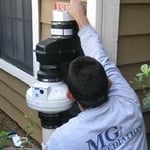
Vapor Intrusion for VOC and Radon
 Cleaning
 Cleaning
Testing
Testing & Abatement

+4

Response time4 days
Recommended by80%of homeowners

Avatar for Standish Inspections
Standish Inspections
4.8(
9
)

Serving Boulder Creek, CA and surrounding areas

In business since 2000

Free estimates

Emergency services offered

"The person that came was fine. He just walked around and did the inspection. He also gave us some recommendations. The person was prompt, knowledgeable, and reasonably priced. He was very punctual."
Shingles
Gutters
Roofing
Recommended by100%of homeowners
Radon Detection and Reduction questions, answered by experts

The cost for a radon mitigation system typically ranges from $800 to $1,500, with an average around $1,000. The final price depends on several factors, including the size of your home, the severity of the radon issue, and the type of system required. Your home's foundation type also significantly impacts the cost. For example, sealing and ventilating an unfinished basement might cost around $4,600, while encapsulating a crawl space without a foundation slab can range from $1,500 to $15,000.

The natural breakdown of uranium in soil, rock, and water can cause radon to appear in a home. The gas seeps into homes through cracks in foundations, walls, or floors, as well as through gaps around pipes or construction joints. Radon levels are influenced by soil composition, building materials, and ventilation. Poorly sealed or airtight homes can trap radon, allowing it to accumulate.

Your radon fan needs to operate 24/7 to be effective. The only time the fan isn't operating is during its replacement. Radon levels in the home can increase within hours if the fan stops working or something obstructs the stack vent. Fortunately, radon systems require no downtime maintenance between fan changes.

Your radon mitigation system may be loud because it’s time to replace it. Any sounds are usually from the inline fan that helps create the vacuum and resulting airflow. If you hear a new, loud mechanical or humming noise from your radon fan, it might be time to replace it. Most fans used in radon mitigation systems last up to 10 years, but may need to be replaced sooner.

Testing every 2-5 years or upon adjusting occupancy or structural changes maintains safe environments.

The Boulder Creek, CA homeowners’ guide to radon detection and reduction services

From average costs to expert advice, get all the answers you need to get your job done.