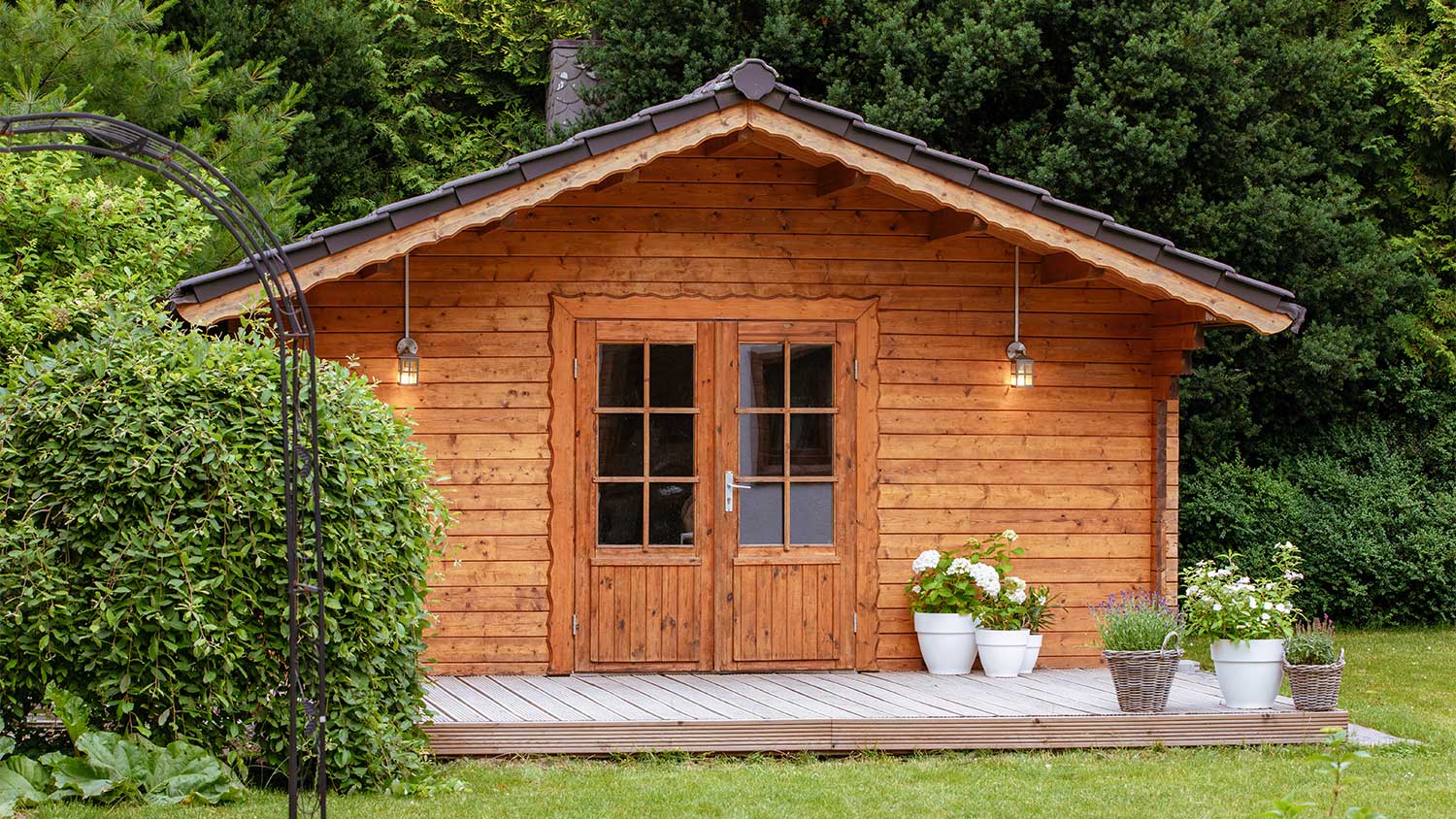






An A-frame home can be cheaper to build than a traditional house, but that is not always a given. Prices can be fairly similar in some cases, depending on the location, design, and necessary site preparation. Costs for an A-frame typically run between $100 to $200 per square foot, which is comparable to the cost of a traditional home. The cost of an A-frame can come in under those numbers if you opt for a prefabricated kit.
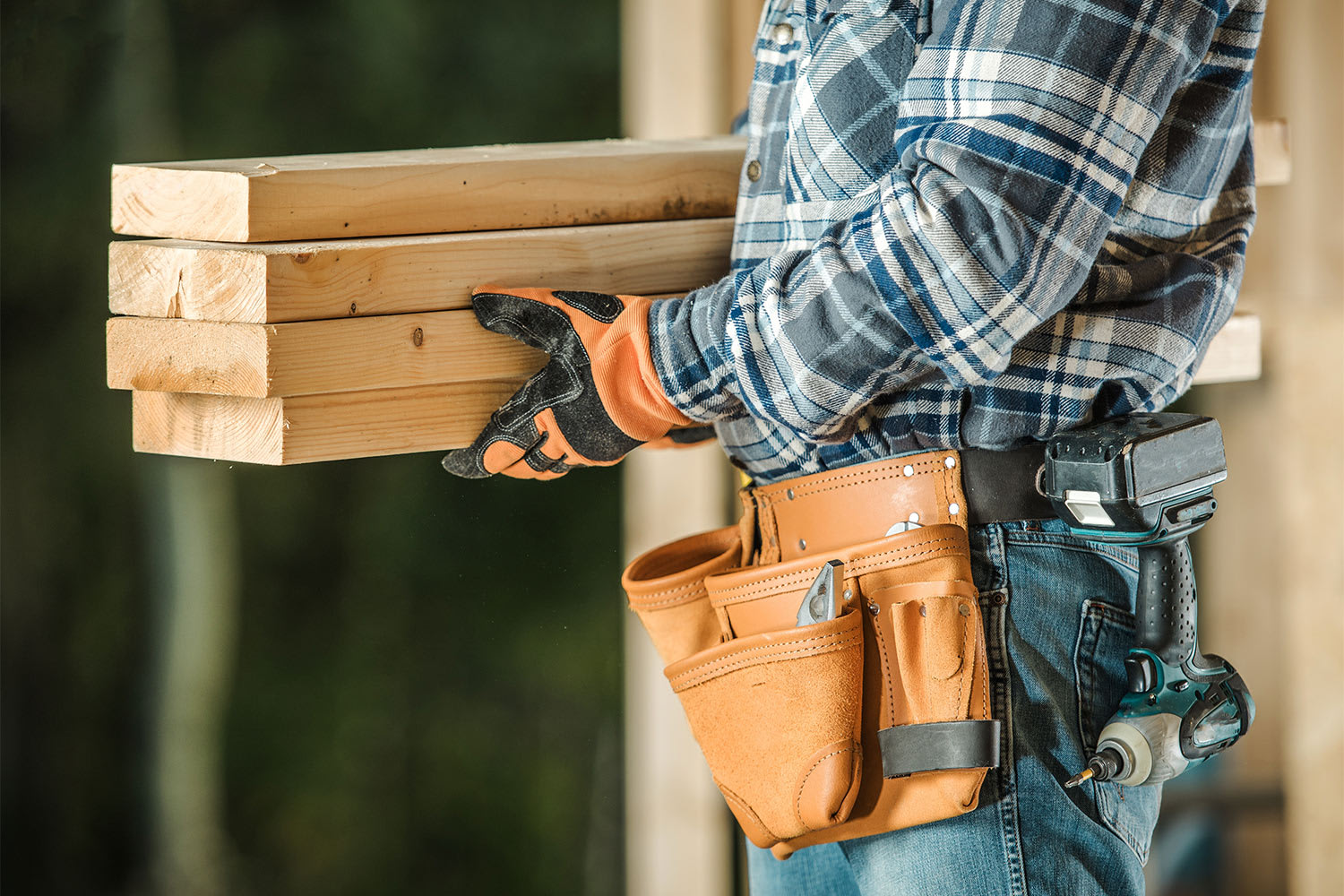
Learning how to frame a house includes picking the right lumber for the job. Most people will want to pick pine, spruce, or fir for the framing. These types of lumber are affordable and produce sturdy framing for structures. Look for kiln-dried lumber to reduce the risk of shrinkage or insect damage after installation. As part of what’s included in framing a house when you hire a professional, the contractor should order the lumber, so you don’t have to worry about finding the right lumber.
You can choose 5/8-inch plywood or 3/4-inch plywood—anything thinner than these sizes may not withstand the impact of debris propelled by strong winds or can be easily torn off by intruders. Remember that the durability of the wood board is crucial, particularly for safeguarding your windows during severe storms. The effectiveness of using wood boards for protecting the investment you made in your home relies on using the appropriate material and ensuring proper installation.
If you remove a load-bearing wall to create an entrance to a carport or covered patio, you can expect to pay between $3,200 and $9,500, with an average cost of $6,400. Factors such as the type of addition and if that area needs additional work will add to the price.
Yes, you can find ceiling joists using simple tools if a stud finder isn't available.
Using a hammer requires patience and a keen ear. Gently tap the ceiling in a grid pattern, listening for sound changes. A hollow sound indicates space between joists, while a solid, dull thud suggests a joist. Mark the location with a pencil and confirm by tapping from different angles.
Alternatively, you can use a nail, but this method will leave small holes. You'll feel increased resistance when the nail hits a joist. Mark the spot and repeat the process every 16 or 24 inches to map the joist locations. This method is considered less reliable than using a stud finder.
The Armona, CA homeowners’ guide to carpentry services
From average costs to expert advice, get all the answers you need to get your job done.
What does a handyperson do? Learn about common tasks and why you should hire a handyperson for your interior and exterior updates, repairs, and maintenance.