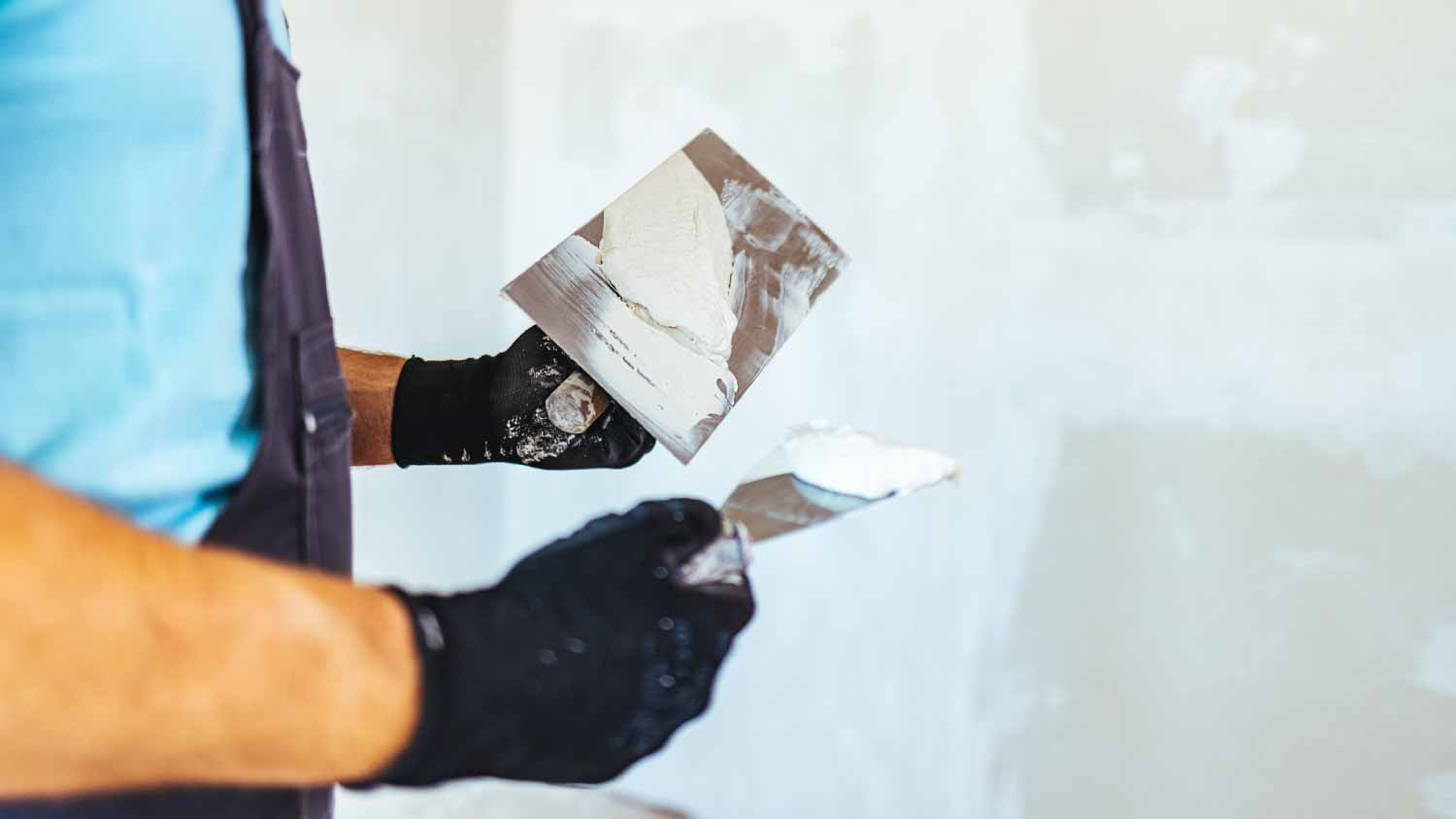
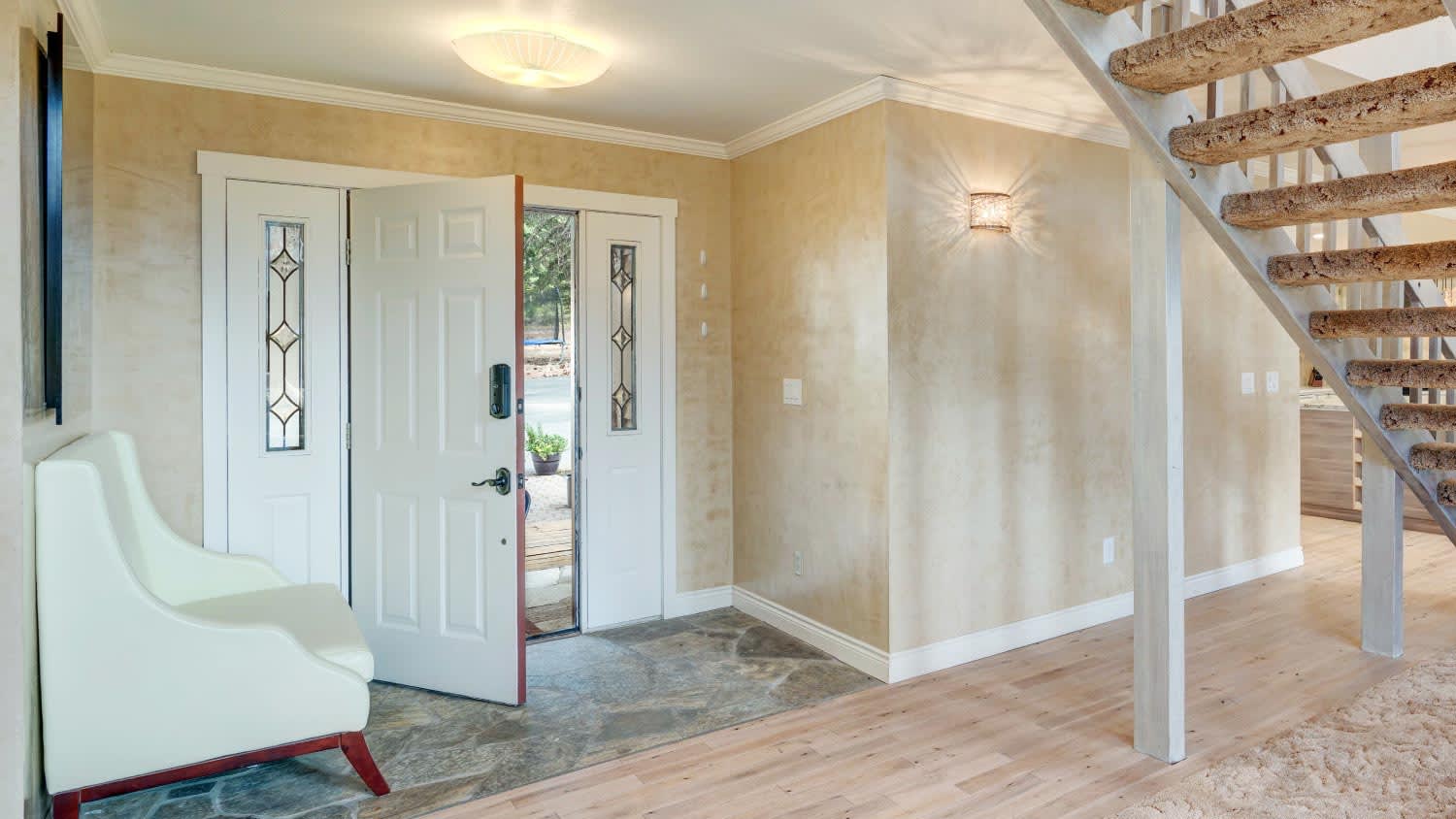
Top-rated plaster repair specialists.

Get matched with top plaster repair specialists in Arcata, CA

Enter your zip and get matched with up to 5 pros

Need a pro for your plaster repair project in Arcata, CA?

Select your specific project to find the pro for you.

Find Plaster repair specialists in Arcata

Avatar for Ocean Seven Builders
Ocean Seven Builders
4.6(
68
)
Plaster - InstallPlaster - Install - For BusinessPlaster - Repair+1 more

Serving Arcata, CA and surrounding areas

In business since 1994

Free estimates

Emergency services offered

"Our bathroom was outdated and cramped, so we decided to remodel with Ocean Seven Builders. Ron was involved throughout the process and made sure we understood each step. What stood out most was how organized everything felt once the work began. The team was respectful of our home and finished the project close to the expected timeline. The final result looks modern and much more functional!"
Additional Photos
Additional Photos
Additional Photos
Recommended by59%of homeowners
Plaster Repair questions, answered by experts

While you should consult with a ceiling professional for larger cracks, especially if you’re not sure what’s causing your ceiling to crack, you can certainly try to repair small cracks on your own. If you’re up for the task, here’s how to repair ceiling cracks for $150 or less.

It may take a bit of patience and trial and error to match your particular drywall texture type when making repairs. For orange peel or knockdown finishes, use a spray texture product or a thinned joint compound applied with a roller or sponge. Practice on scrap drywall or cardboard first. Once dry, lightly sand and prime before painting.

Applying plaster to a wall will usually cost between $2 and $10 per square foot for both the material and labor. The cost will vary based on the quality of the plaster you’re using and whether or not prep work is required before the work begins. Wall prep can add up to about 10% to your total costs. Plastering exterior walls can be more expensive in many cases because they are taller and require scaffolding and safety equipment.

Although they have similar applications, spackle and joint compound are not the same. Their primary differences lie in their composition, consistency, and ideal use cases.

Spackle is composed of gypsum and binding agents, making it thicker than joint compound. It dries quickly and is easy to sand, which makes it ideal for small wall repair projects like filling nail holes or patching minor damage.

Joint compound, also known as drywall mud, consists of limestone and gypsum. It is primarily used for large-scale projects, such as taping and finishing the seams on newly installed drywall. It tends to shrink more than spackle and can be more difficult to spread.

While both products can be used to fill small depressions and cracks, spackle cannot replace joint compound for taping and mudding new drywall. Conversely, you can often use joint compound for small patching jobs typically done with spackle.

Common causes include water leaks, settling, and impact. Address underlying issues to prevent recurring damage.

The Arcata, CA homeowners’ guide to plaster repairs

From average costs to expert advice, get all the answers you need to get your job done.