








Top-rated bird control service pros.

Get matched with top bird control service pros in Tombstone, AZ

Enter your zip and get matched with up to 5 pros

Need a pro for your bird control service project in Tombstone, AZ?

Select your specific project to find the pro for you.

Find Bird control service pros in Tombstone

Avatar for Terminix® Pest Control
Terminix® Pest Control
4.0(
1
)

Serving Tombstone, AZ and surrounding areas

Approved

In business since 1927

Free estimates

Warranties offered

"Very knowledgeable guy who seem to know what he’s doing. Don’t know results of spraying. Have had much rain since. Will have to see if it worked. Terminex will spray again the beginning of next month."
My jobs
My jobs
My jobs
My jobs
My jobs

+2

32 neighbors recently requested a quote
Bird Control questions, answered by experts

Most treatments take 1-3 hours, but severe infestations may require multiple visits.

No single deterrent will work 100 percent of the time, so we suggest combining deterrents to ensure your seed has the best possible chance to grow. Using bird netting over your seed, with physical deterrents like mylar tape coupled with hanging bird feeders at the edges of your growing area—and removing any bird’s nests, if possible—will give your seeds the best possible chance for success.

When woodpeckers start banging on your walls or roof, they are probably looking for insects to eat, storing nuts for winter, drilling a hole to make a nest, or communicating with other birds to establish territory or find a mate.

The size of the hole can help determine the reason for the pecking. Small irregular holes are a result of insect hunts. Acorn holes are more consistently sized and often fitted with a nut in the middle. Nest holes are large and have rounded edges. If the bird is pecking to mark its territory or attract a mate, it may leave dents rather than holes, and the noise will stop when the mating season starts in spring.

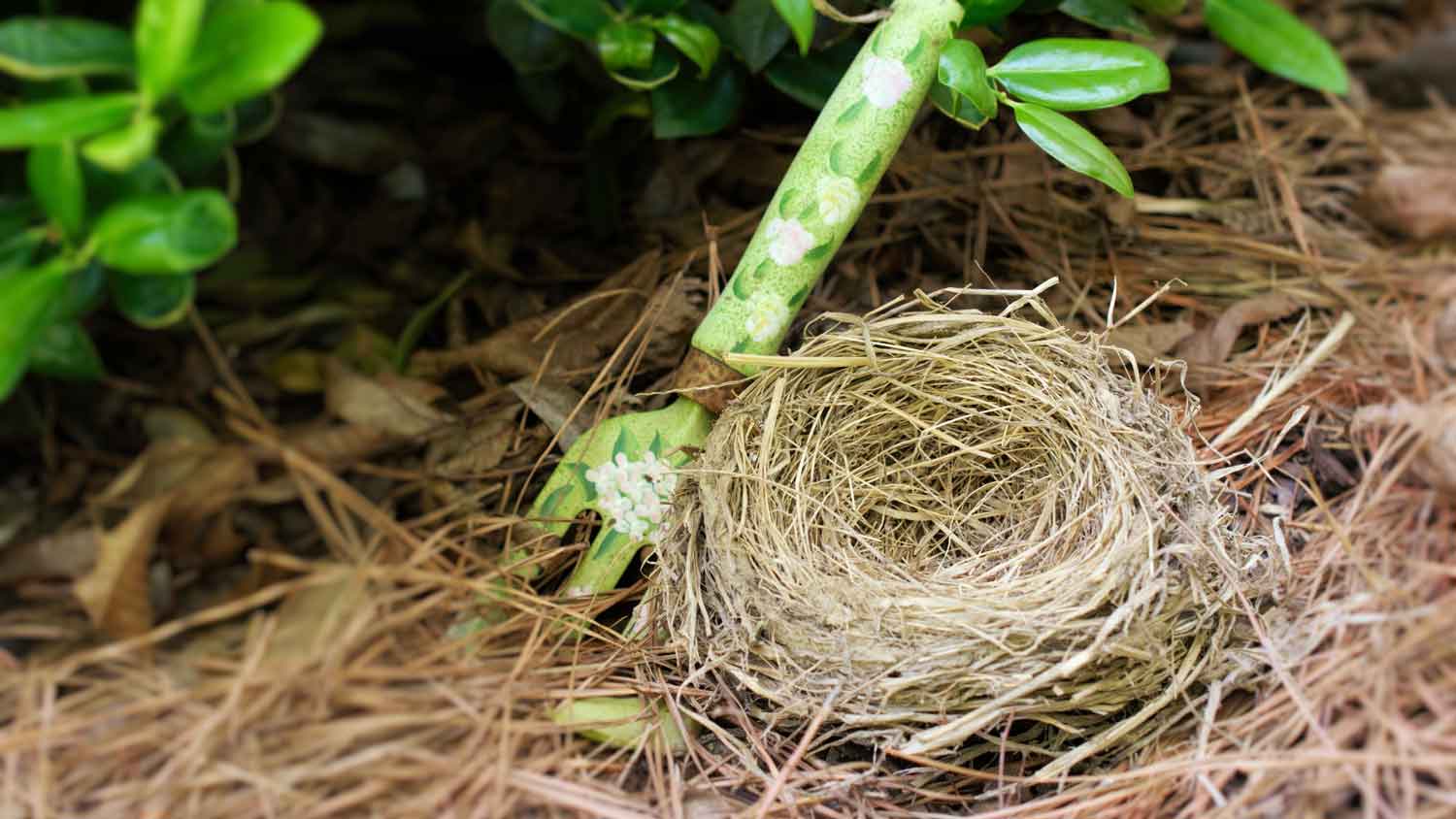
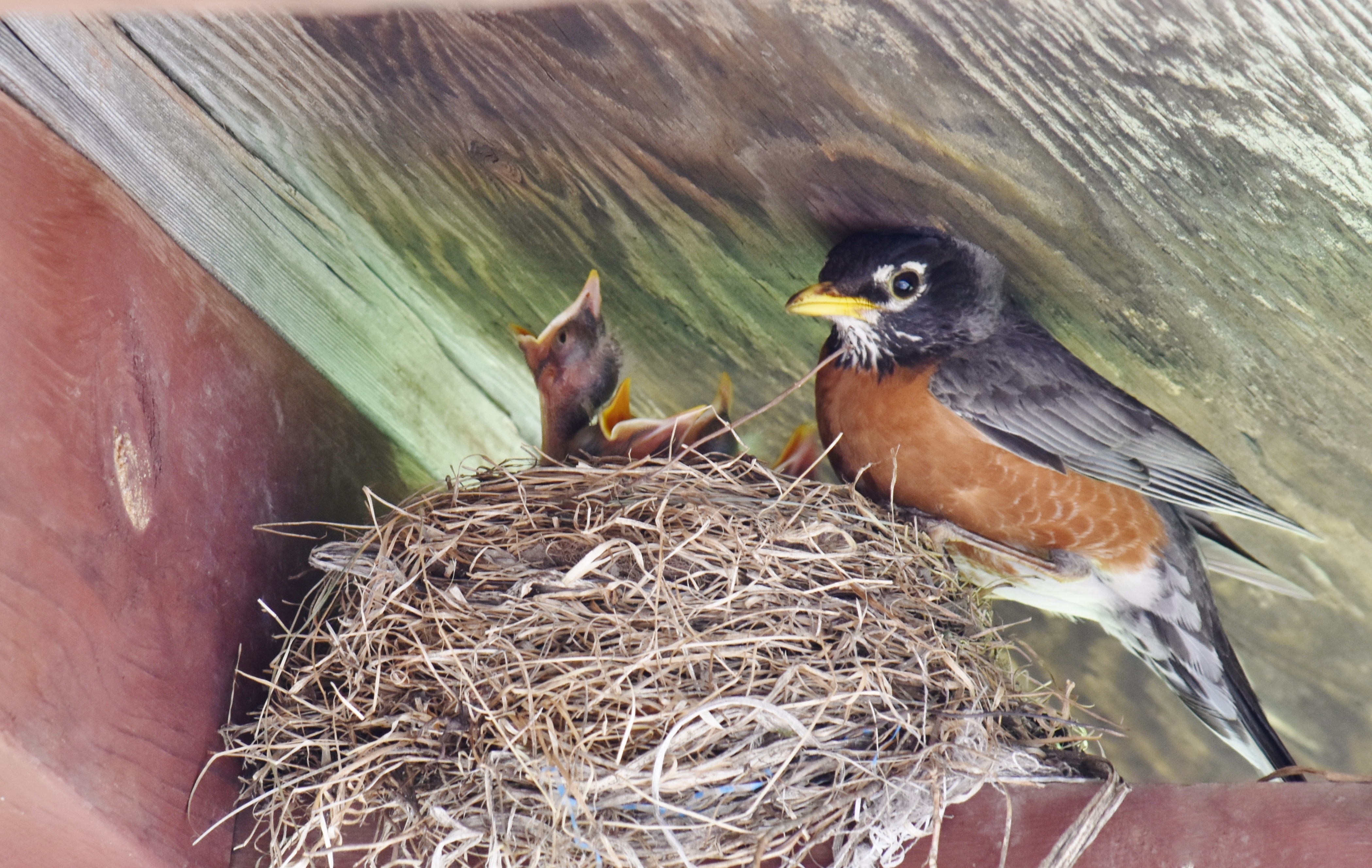
The lifespan of a bird's nest depends on the species. The building process can take from two days to three weeks. Once built, the nesting period for baby birds can last from two to ten weeks before they leave the nest. While most young birds are ready in two to six weeks, some predatory species may need up to two and a half months. Some species nest four to five times per year, so a nest could remain in use for several months. For specific information about a particular nest's longevity, it is best to consult a wildlife professional.

Popular nesting areas outside of a home include eaves, porches, gutters, and chimneys. However, some birds can make their way into your attic or ventilation systems. A reputable removal service will inspect your home's interior and exterior for any evidence of roosting and nesting birds while they prepare to remove them.

The Tombstone, AZ homeowners’ guide to bird control services

From average costs to expert advice, get all the answers you need to get your job done.