




Top-rated mulch and topsoil pros.

Best mulch and topsoil pros near Springerville, AZ

Enter your zip and get matched with up to 5 pros

Need a pro for your mulch and topsoil service project in Springerville, AZ?

Select your specific project to find the pro for you.

Top-Rated Mulch and topsoil pros in Springerville - Updated Nov 2026

Avatar for Pro Sealcoating LLC
Pro Sealcoating LLC
4.8(
19
)
Landscape - Install Landscaping for Yard or Garden

Serving Springerville, AZ and surrounding areas

In business since 2024

Free estimates

Emergency services offered

"Krystal and her team help repair and re-reseal Our storage facility! Pro seal coating responded To our request for a estimate in a timely manner And gave us a super great price. They are professional, and did an amazing job"
After SealCoating
Cleaning & prepping
Crack sealing
after Seal Coating
State Farm

+29

Response time5 hrs
Response rate99%
Showing 1-10 of 23
Mulch and Topsoil FAQs, answered by experts

If you’re mulching in the fall, aim to lay down the material right after the first frost, which will vary by climate. Late October and early November are good time ranges to aim for. Try to lay down your mulch after a light rainfall to lock in moisture for root growth through the winter.

Landscape boulders, especially porous stones like sandstone or granite, can crack or break over time. Cracks occur when water seeps into the surface of the stone and freezes. The risk is highest when it rains during the day and temperatures freeze overnight since the moisture has time to penetrate deeper into the rock before expanding.

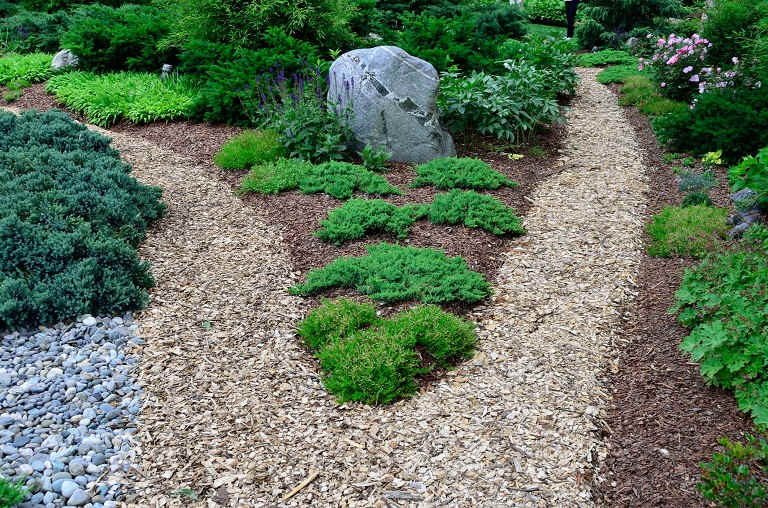
The best size river rock for your landscaping project depends on how you plan to use the stones. Generally, most river rocks used in landscaping are between 1/2 and 8 inches in diameter. For walkways and pathways, smaller rocks between 1 and 3 inches are suitable. For water features, medium-sized stones from 2 to 5 inches often work best. Garden beds can benefit from a mix of medium and large stones, ranging from 3 to 8 inches. These sizes can cover applications like decorative flower beds and drainage areas around foundations or retaining walls. For added visual interest, landscapers sometimes intersperse smaller river rocks with large boulders.
While they’re popular and have a lot of pros, the cons of river rocks include the following:

  • River rocks don’t break down or provide nutrients to plants. 

  • These stones can get hot and scorch nearby plants. 

  • River stones may heat the surrounding soil to inhospitable temperatures. 

  • Rocks can block rainwater from seeping into the ground if installations are too thick or tightly packed.

Most downsides occur when using river rock as mulch in gardens and flower beds. However, you can still incorporate river rocks into your landscape as long as you use them in the correct ways.

The hydroseed mix—known as a slurry—helps grass seed take root in many ways. Water combines with the mulch, allowing the grass seed to stay moist while grounded in the soil. The extra fertilizer then provides the boost the seed needs to flourish. In just a few weeks, you'll be ready to break out the lawnmower again.

The Springerville, AZ homeowners’ guide to mulch and topsoil services

From average costs to expert advice, get all the answers you need to get your job done.