
Top-rated asbestos removal specialists.

Get matched with top asbestos removal specialists in Springerville, AZ

Enter your zip and get matched with up to 5 pros

Need a pro for your asbestos abatement project in Springerville, AZ?

Select your specific project to find the pro for you.

Find Asbestos removal specialists in Springerville

Avatar for Arizona Indoor Air Quality and Environmental Testing, LLC
Arizona Indoor Air Quality and Environmental Testing, LLC
4.3(
213
)
Asbestos - Testing

Serving Springerville, AZ and surrounding areas

Approved

In business since 1999

Emergency services offered

Small jobs welcome

"Tracey gave me lots of recommendations for what I can do to my home to make it safe and disinfected after his inspection. He also provided the name of vendors that would help me with remediation and cleaning."
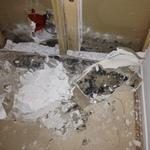
Mold Inspection
Mold Surface Swab Test
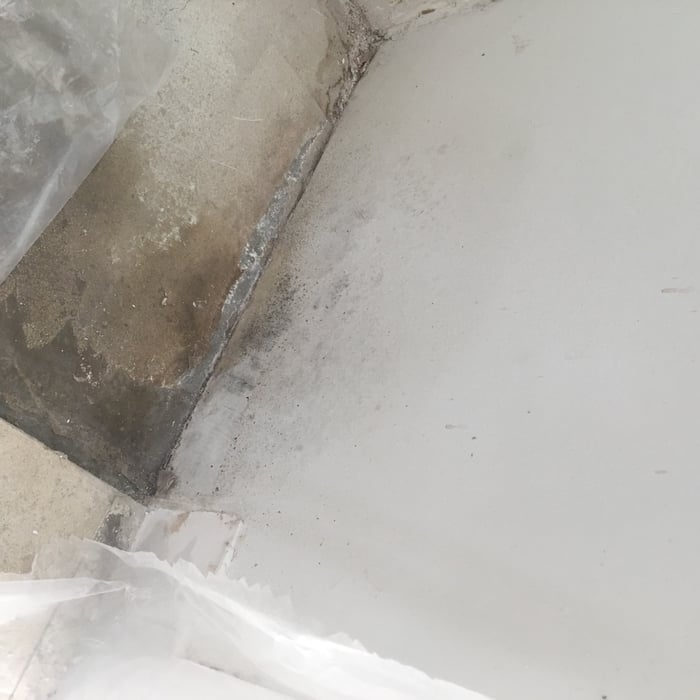
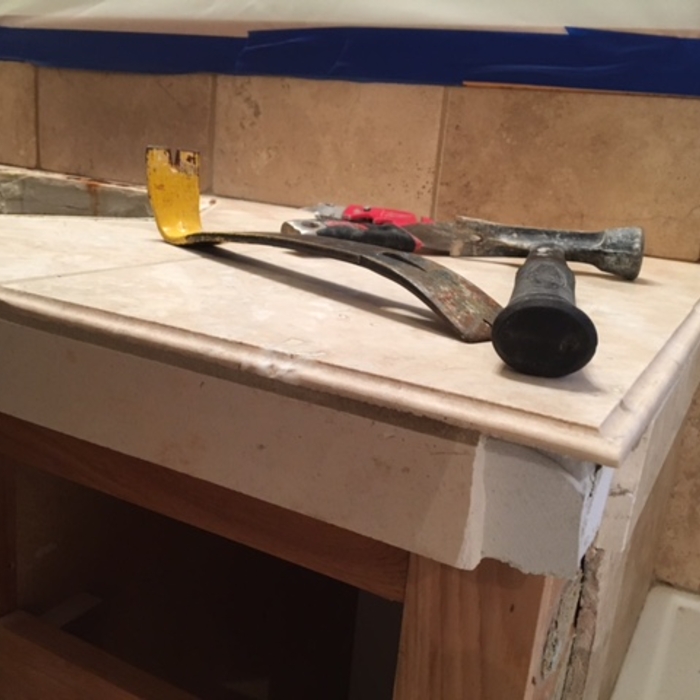
Homeowner was doing a remodel project and discover
Mold Inspection

+1

Response time2 hrs
3 neighbors recently requested a quote
Recommended by96%of homeowners
Avatar for HCP Restoration, LLC
HCP Restoration, LLC
5.0(
7
)
Asbestos - Abatement

Serving Springerville, AZ and surrounding areas

In business since 2020

Free estimates

Emergency services offered

"Condensate line was leaking in kitchen wall. Had to remove half of kitchen to get to problem. They found the leak, repaired, remediated and then restored! Kitchen is as good as new!"
Response time8 hrs
Response rate100%
1 neighbors recently requested a quote
Asbestos Removal questions, answered by experts

If you think you’ve touched asbestos, do not put on a mask. This is important because you may take the asbestos fibers on your hands on trap them in the mask. Make your way to a sink and wash your hands thoroughly. Remove any clothes and seal them in a bag, then take a shower. Call your doctor and let them know you’ve been exposed to asbestos, and make sure you see them as soon as possible. The reason you keep the clothes is in case anyone wants to confirm the presence of asbestos.

Asbestos has many beneficial properties, including fire resistance, strength, and chemical resistance. It is also an excellent insulator, which is why it was used in pipe insulation and other building materials for decades. For all its benefits, asbestos is dangerous for human health, which is why it was eventually banned from use in certain products.

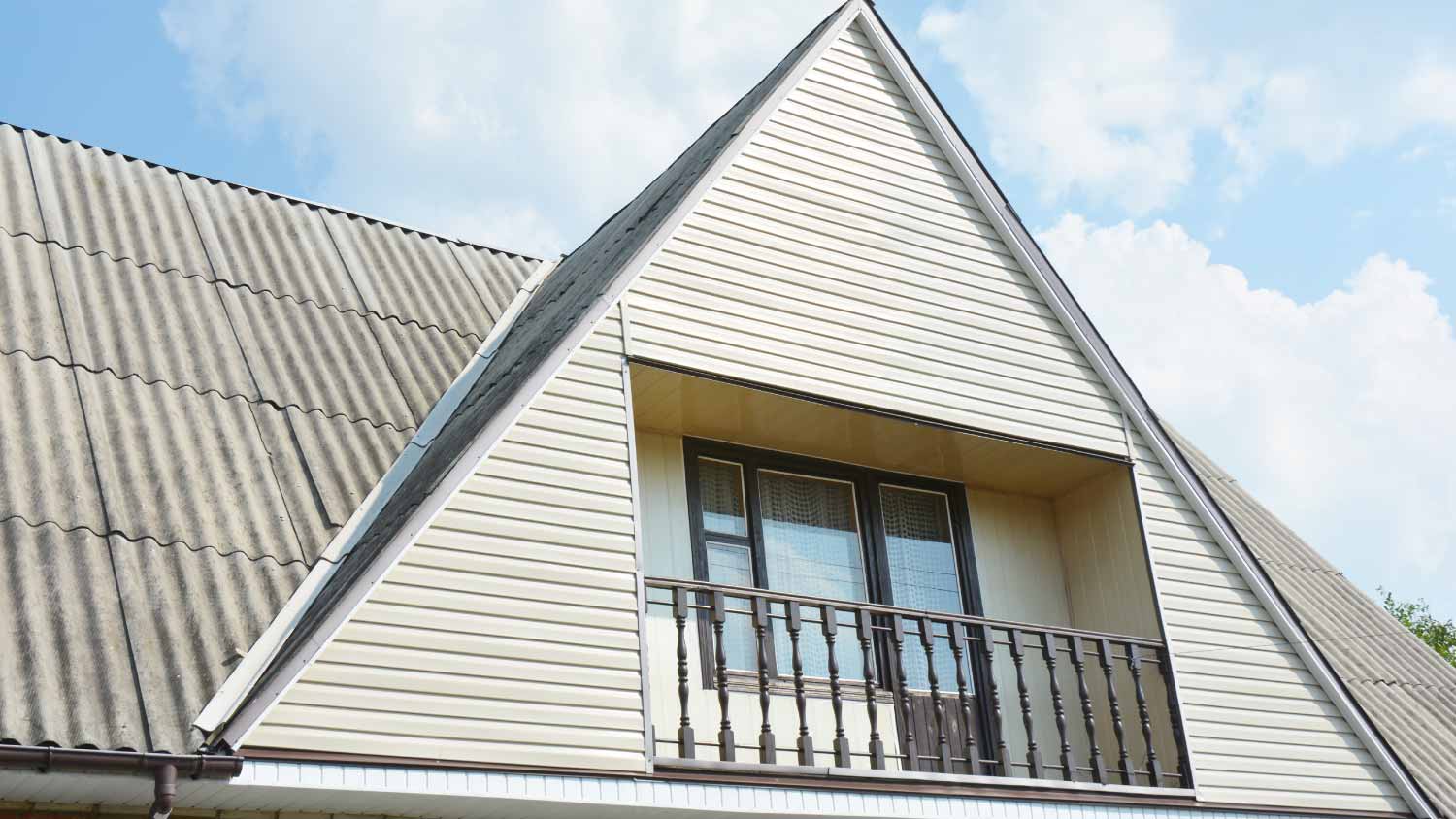
In the 1980s, the use of asbestos in house siding materials underwent a significant decline, ultimately being phased out by the mid-1980s to early 1990s. This change was largely due to a growing awareness of the severe health risks associated with asbestos exposure, particularly its link to lung diseases and cancers. With increased public concern and regulatory agency involvement, building codes and regulations were updated to restrict the use of asbestos in construction materials. 

If you have an older electrical system with fraying wires and other signs of damage, removal  may be the best course of action. When asbestos begins to break down, it's more likely to become airborne, increasing the risk of health issues when it's inhaled.

However, if the system is in good condition and doesn't have visible signs of wear or damage, leaving it alone may be the safest course of action. An asbestos abatement and removal professional can help you determine the best way to proceed.

According to the Environmental Protection Agency (EPA), hazardous waste is generally classified into four main categories:

1. Characteristic Wastes: These exhibit at least one of four hazardous traits: ignitability (flammable, like gasoline), corrosivity (can rust or decompose materials, like car batteries), reactivity (unstable and can explode, like aerosol cans), or toxicity (harmful when ingested, like lead-based paint).

2. Listed Wastes: These are specific wastes from manufacturing and industrial processes that the EPA has officially designated as hazardous. They include byproducts from processes that use solvents, pesticides, and other chemicals.

3. Universal Wastes: These are commonly generated hazardous items that are subject to streamlined regulations. Examples include batteries, pesticides, mercury-containing equipment (e.g., bulbs), and some lamps.

4. Mixed Wastes: This category includes waste that contains both hazardous and radioactive components, making it subject to regulation by both the EPA and the Nuclear Regulatory Commission.

The Springerville, AZ homeowners’ guide to asbestos removal services

From average costs to expert advice, get all the answers you need to get your job done.