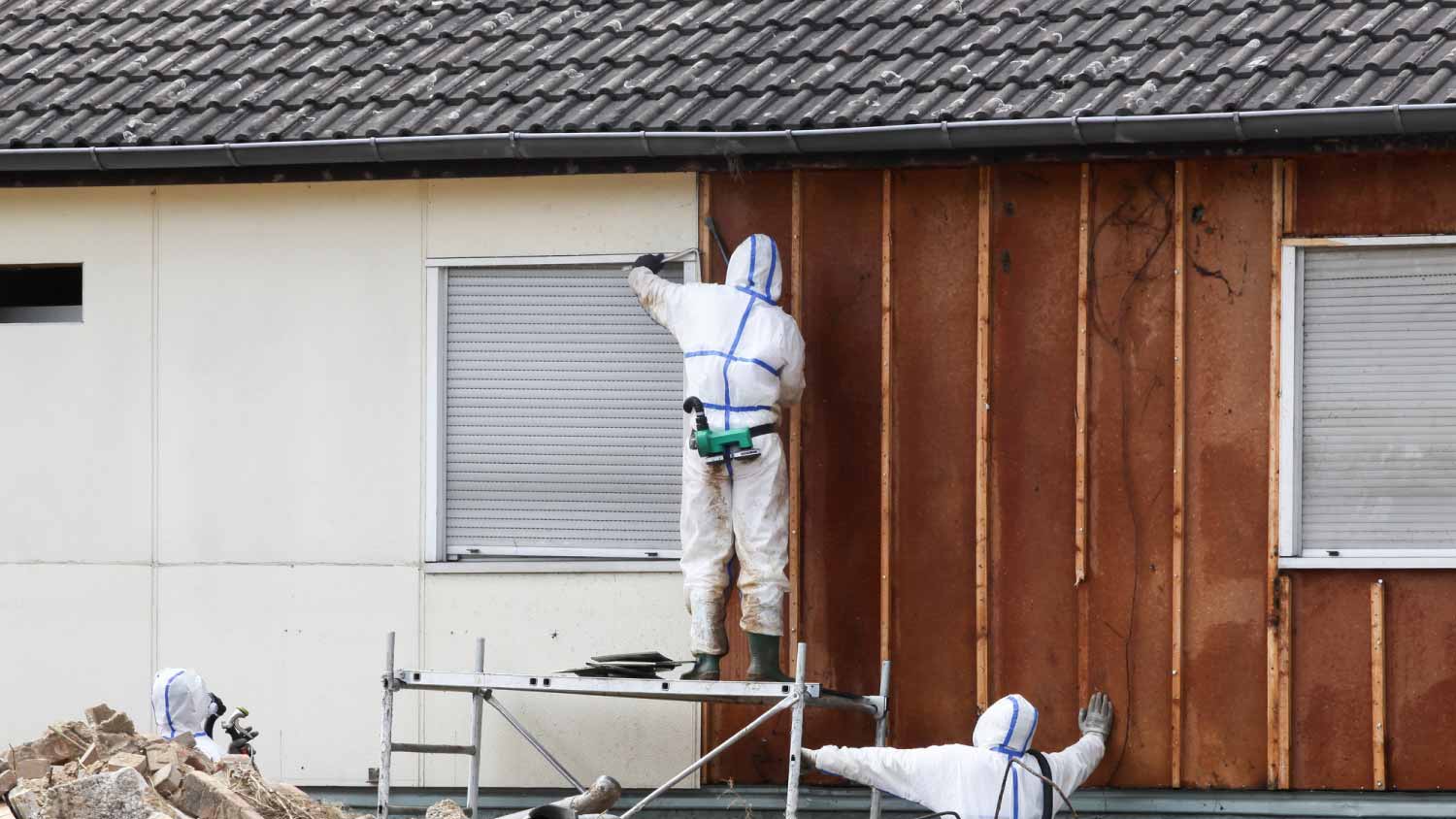
Top-rated asbestos removal specialists.

Best asbestos removal specialists near Snowflake, AZ

Enter your zip and get matched with up to 5 pros

Need a pro for your asbestos abatement project in Snowflake, AZ?

Select your specific project to find the pro for you.

Top-Rated Asbestos removal specialists in Snowflake - Updated Nov 2026

Avatar for Arizona Indoor Air Quality and Environmental Testing, LLC
Arizona Indoor Air Quality and Environmental Testing, LLC
4.3(
213
)
Asbestos - Testing

Serving Snowflake, AZ and surrounding areas

Approved

In business since 1999

Emergency services offered

Small jobs welcome

"Tracey gave me lots of recommendations for what I can do to my home to make it safe and disinfected after his inspection. He also provided the name of vendors that would help me with remediation and cleaning."
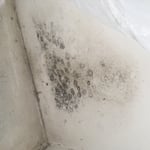
Mold Inspection
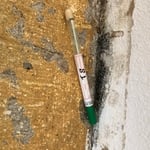
Mold Surface Swab Test
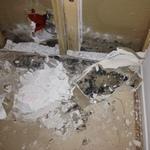
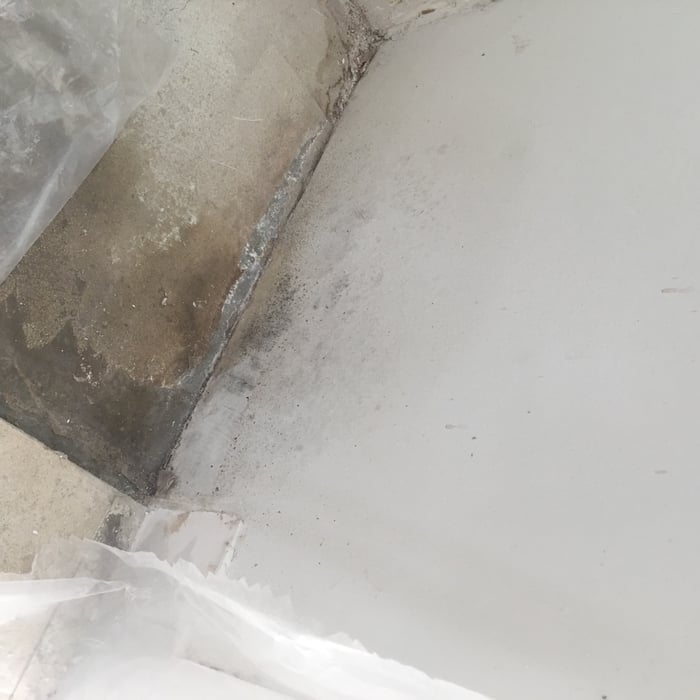
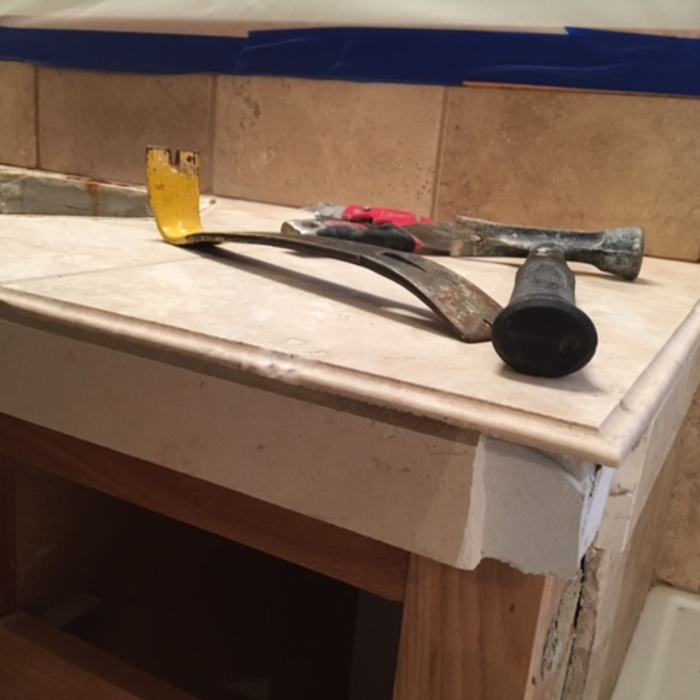
Homeowner was doing a remodel project and discover
Mold Inspection

+1

Response time2 hrs
Recommended by96%of homeowners
Asbestos Removal FAQs, answered by experts

Abatement focuses on immediate hazard control while remediation encompasses a comprehensive cleanup and long-term safety strategy. Abatement refers specifically to reducing or eliminating the immediate hazard by removing or encapsulating it. It’s a targeted approach aimed solely at controlling asbestos risks. Remediation is a broader term that involves the entire process of addressing contamination to restore a safe environment. Remediation can include abatement, decontamination, air quality testing, and post-cleanup monitoring.

According to the Environmental Protection Agency (EPA), hazardous waste is generally classified into four main categories:

1. Characteristic Wastes: These exhibit at least one of four hazardous traits: ignitability (flammable, like gasoline), corrosivity (can rust or decompose materials, like car batteries), reactivity (unstable and can explode, like aerosol cans), or toxicity (harmful when ingested, like lead-based paint).

2. Listed Wastes: These are specific wastes from manufacturing and industrial processes that the EPA has officially designated as hazardous. They include byproducts from processes that use solvents, pesticides, and other chemicals.

3. Universal Wastes: These are commonly generated hazardous items that are subject to streamlined regulations. Examples include batteries, pesticides, mercury-containing equipment (e.g., bulbs), and some lamps.

4. Mixed Wastes: This category includes waste that contains both hazardous and radioactive components, making it subject to regulation by both the EPA and the Nuclear Regulatory Commission.

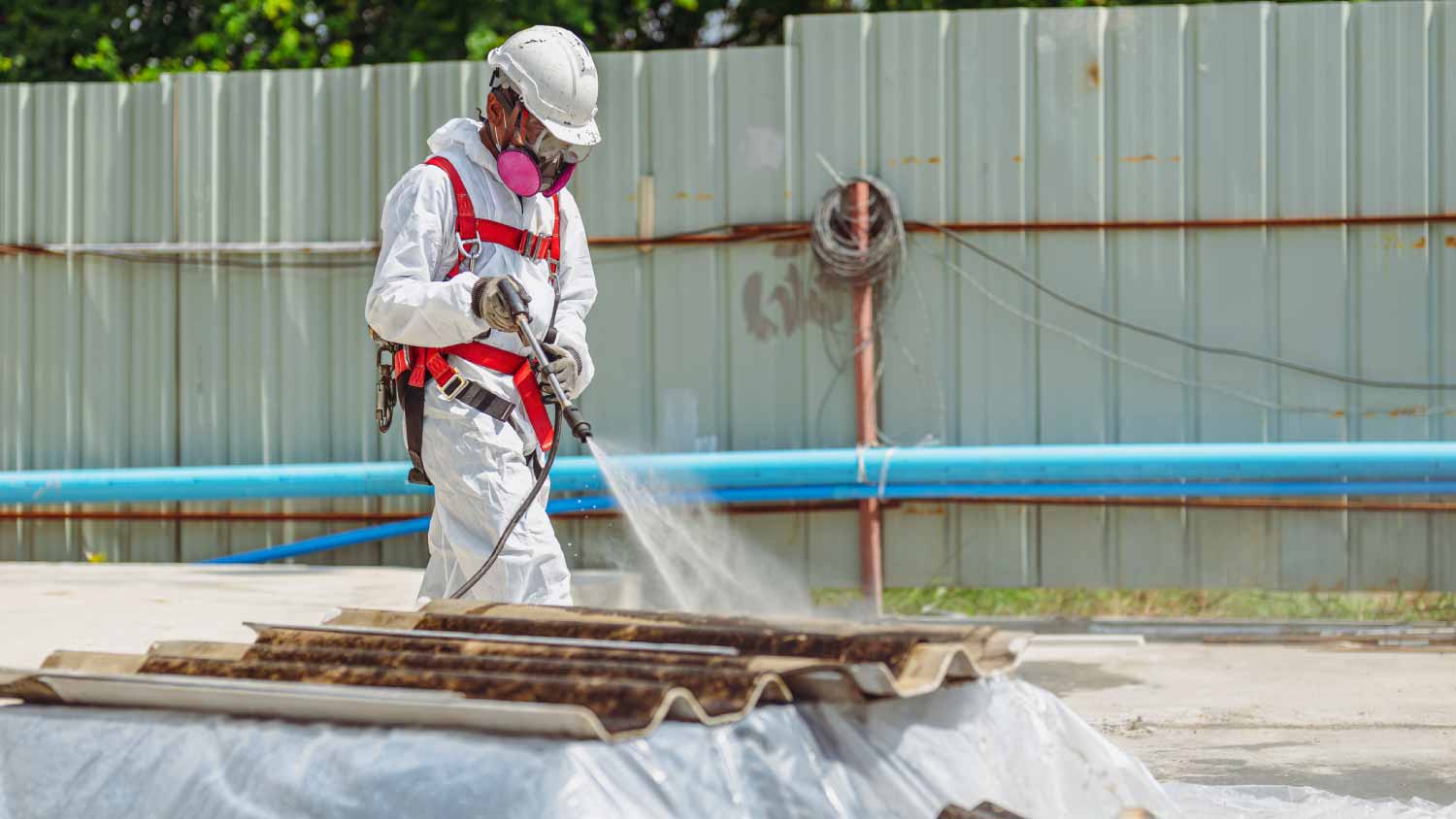
Asbestos-containing materials are not easily affected by water and do not disintegrate or dissolve when exposed to it. However, porous materials can deteriorate due to water exposure, leading to the release of asbestos fibers into the air. The settling of asbestos fibers can also occur as water makes them heavy, which reduces the risk of airborne exposure, though future disturbance of the materials could cause risk. Wetting asbestos-containing materials does not constitute safe removal, and the proper handling and disposal of asbestos materials should be left to professionals.

Performing abatement for asbestos means the contractor removes or encapsulates the asbestos to protect your family’s health. The term abatement refers to the steps required to keep asbestos fibers from moving into the air. Understanding what asbestos abatement is can help you discuss the case with your contractors by understanding the jargon they use. 

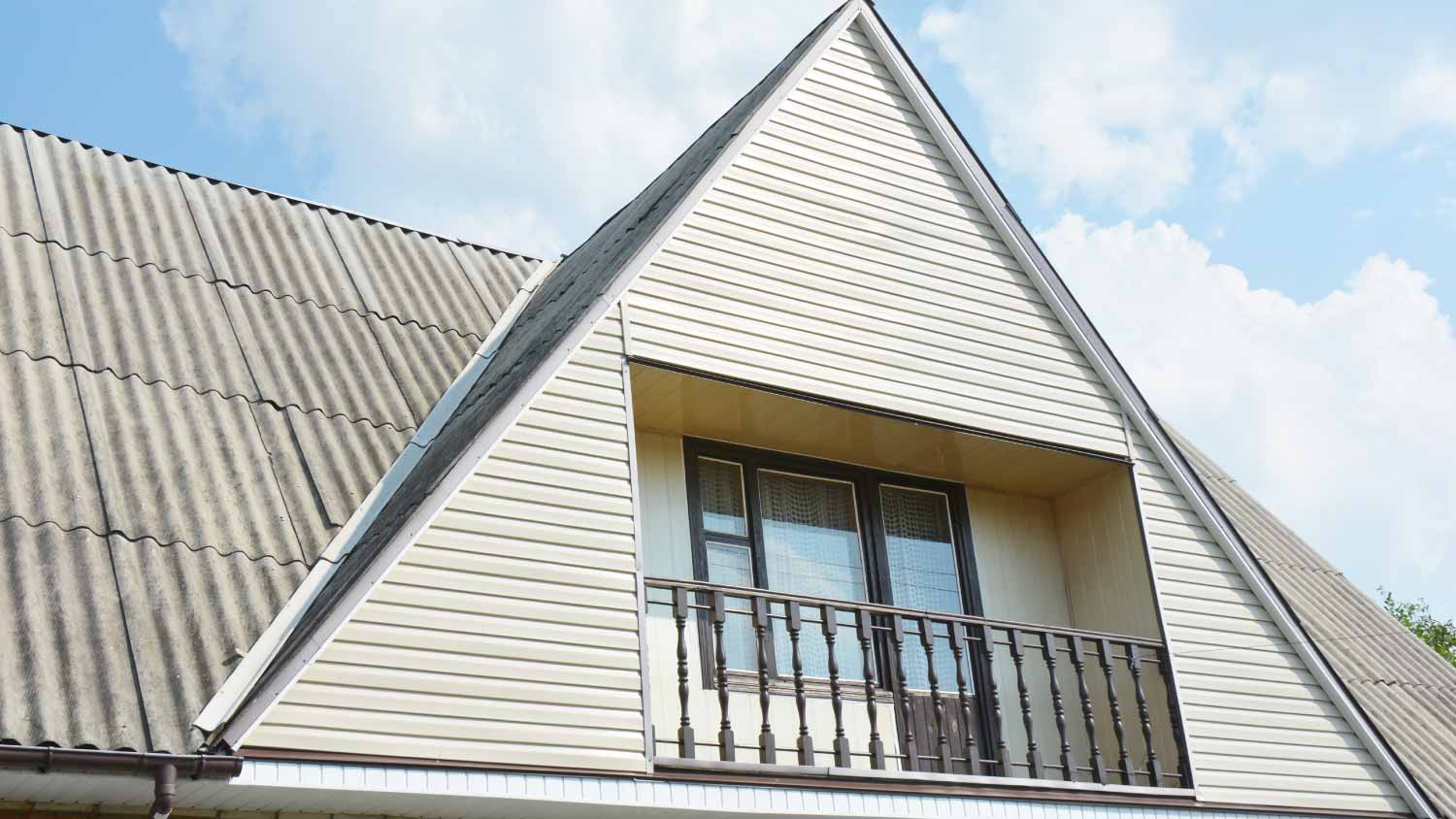
Asbestos siding can be dangerous, but it doesn't necessarily pose a health risk if it's in good condition and left undisturbed. The danger comes from inhaling asbestos fibers, which can be released if the siding is damaged, deteriorating, crumbling, or disturbed during remodeling or repairs. Exposure to these airborne fibers can cause serious, life-threatening diseases like asbestosis (lung scarring), mesothelioma (an aggressive cancer), and other lung cancers.

If your asbestos siding is intact, the general recommendation is to leave it alone. However, if it's damaged or you plan to renovate, it's crucial to handle it safely. Due to the significant health risks and the difficulty of containing the fibers, it is not recommended to perform any asbestos work yourself. Instead, you should hire a professional asbestos removal company to inspect, repair, encapsulate, or remove the material. The presence of asbestos can also negatively impact your property's value.

The Snowflake, AZ homeowners’ guide to asbestos removal services

From average costs to expert advice, get all the answers you need to get your job done.