

Top-rated radon detection and reduction specialists.

Get matched with top radon detection and reduction specialists in Salome, AZ

Enter your zip and get matched with up to 5 pros

Need a pro for your radon detection and reduction project in Salome, AZ?

Select your specific project to find the pro for you.

Find Radon detection and reduction specialists in Salome

Avatar for Affordable Radon Southwest
Affordable Radon Southwest
4.7(
356
)
Radon Gas - Abatement

Serving Salome, AZ and surrounding areas

Approved

Super Service Award Winner

In business since 2011

Free estimates

Warranties offered

"A potential buyer for a house I was selling had a Radon Test done. It scored a 13.7! Affordable Radon came out and gave me a bid for two systems, one for each side of the house. 3 weeks later the score is 1.1! They did a great job and got rid of the radon from beneath the slab!"
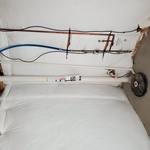
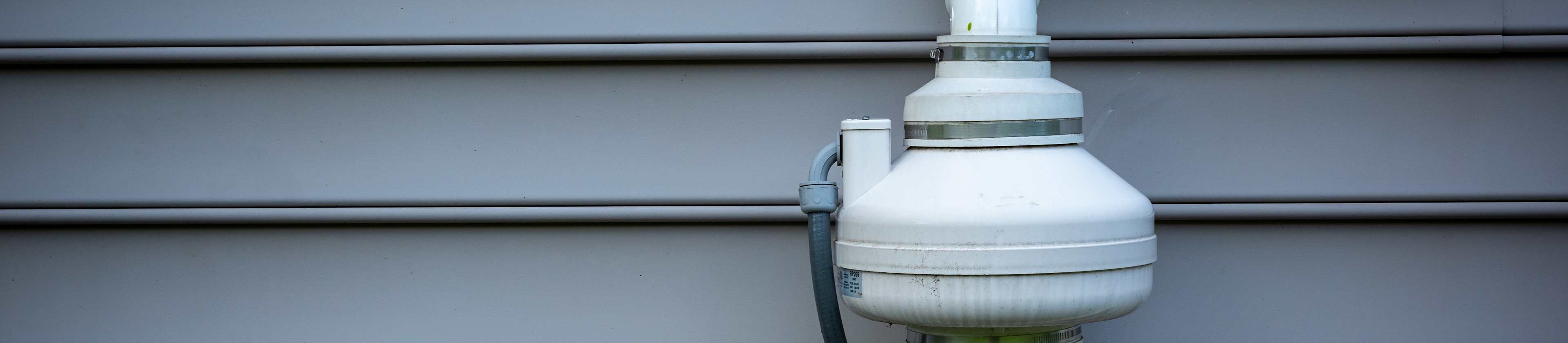
Radon Mitigation System
Radon System

+12

Response time1 day
Response rate95%
4 neighbors recently requested a quote
Radon Detection and Reduction questions, answered by experts

No, radon mitigation systems do not decrease home value or make a home harder to sell. In areas where homes experience similar radon exposure risks, a radon mitigation system is viewed as an improvement. Potential homebuyers often opt to buy a home with a radon mitigation system already installed to reduce the risk of cancer for their families.

The average radon mitigation system uses about 876 kWh of electricity per year, although the exact amount of electricity used will vary depending on the size of the radon fan. Once the system is installed, the annual increase to your energy bill could range from $30 to $300 per year, again depending on the size of the fan.

The soil beneath your house is most likely what’s causing an increased level of radon. This is because soil holds radioactivity for a long time and it’s also what most buildings are built on. Another common source of radon is water from a source that hasn’t been through periodic radon tests, such as well water. Over time, the radon from the soil can inhabit other parts of your house like the foundation or plumbing.

If high radon levels are detected, steps include sealing entry points, installing a mitigation system, and retesting the air regularly to ensure reduced levels.

No level of radon is technically safe, but since it is present everywhere, complete avoidance is impossible. The average radon level in homes across the United States is 1.3 picocuries per liter (pCi/L). The Environmental Protection Agency (EPA) recommends taking preventative measures if your home's radon levels are between 2 and 4 pCi/L or higher.

The Salome, AZ homeowners’ guide to radon detection and reduction services

From average costs to expert advice, get all the answers you need to get your job done.