"I only use James when I need some work done to my house. He responds fast, gets the work done quicker than just about anyone else I've ever used and seems very concerned with leaving his customers happy."
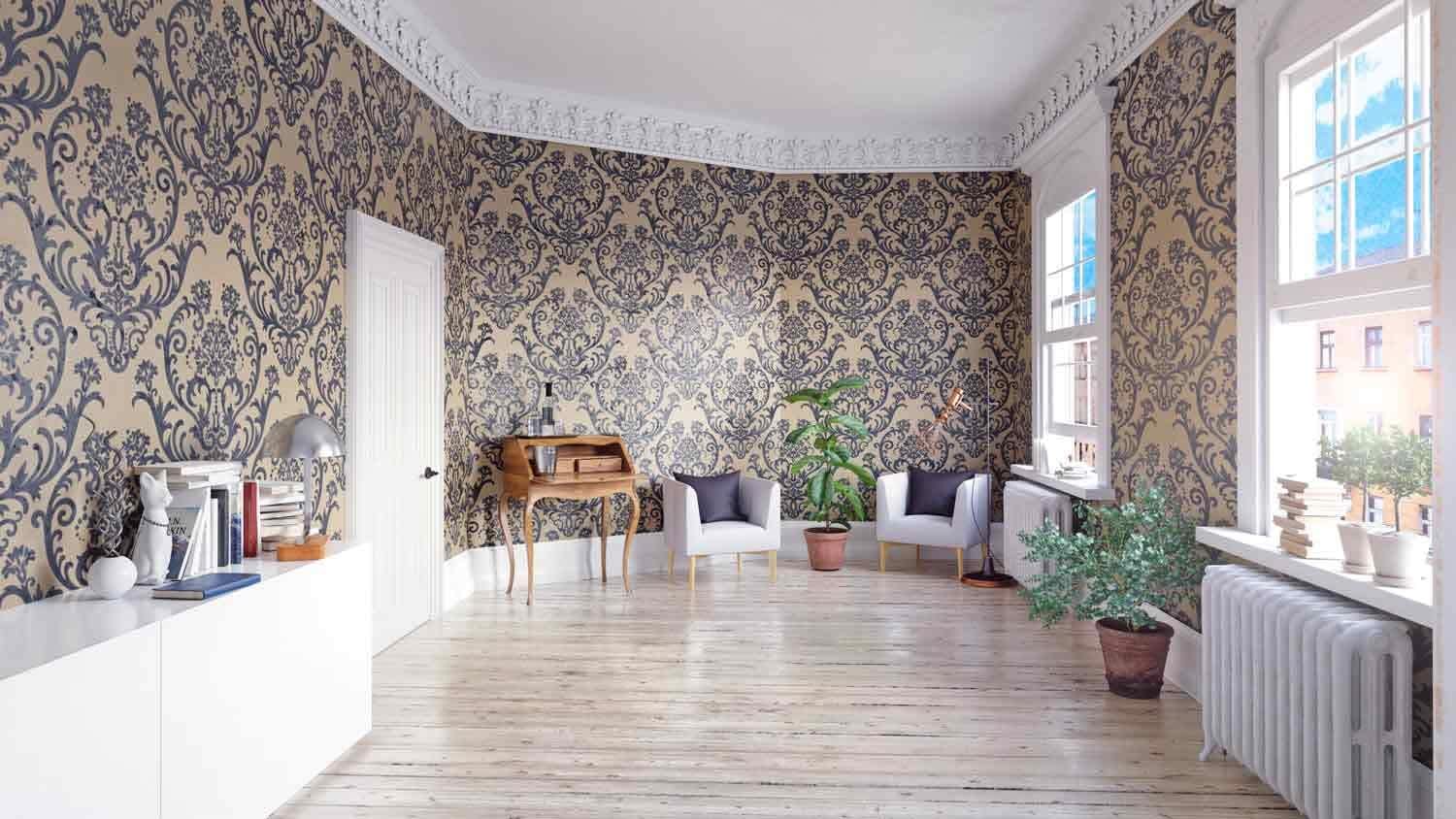
Deciding between a lighter or darker accent wall depends on the effect you’re going for. Choosing an accent wall in a lighter color will make a room feel brighter and more spacious and complement rooms with less natural light. A darker accent wall will add drama and depth to a room and help make larger rooms feel more cozy and intimate.
The pros of wallpaper include its durability and longer lifespan than paint, as well as its versatility. The durability can translate to lower long-term costs for upkeep and replacement, and the versatility means you have more options for customizing rooms in your home. Some downsides include that it’s difficult to remove, it’s not ideal for rooms or areas exposed to high moisture content or sun exposure, and it’s tricky to install. A professional wallpaper hanger can help mitigate these issues, though, by installing it properly and in areas suitable for wallpaper.
No, you don’t need to apply paint primer to your wall before hanging paintable wallpaper. Manufacturers design paintable wallpaper so that the paint will adhere effectively, so primer isn’t necessary. Plus, even if you opt for a light shade of paint, you won’t have to worry about the shade underneath showing through because you are painting on a light, white surface.
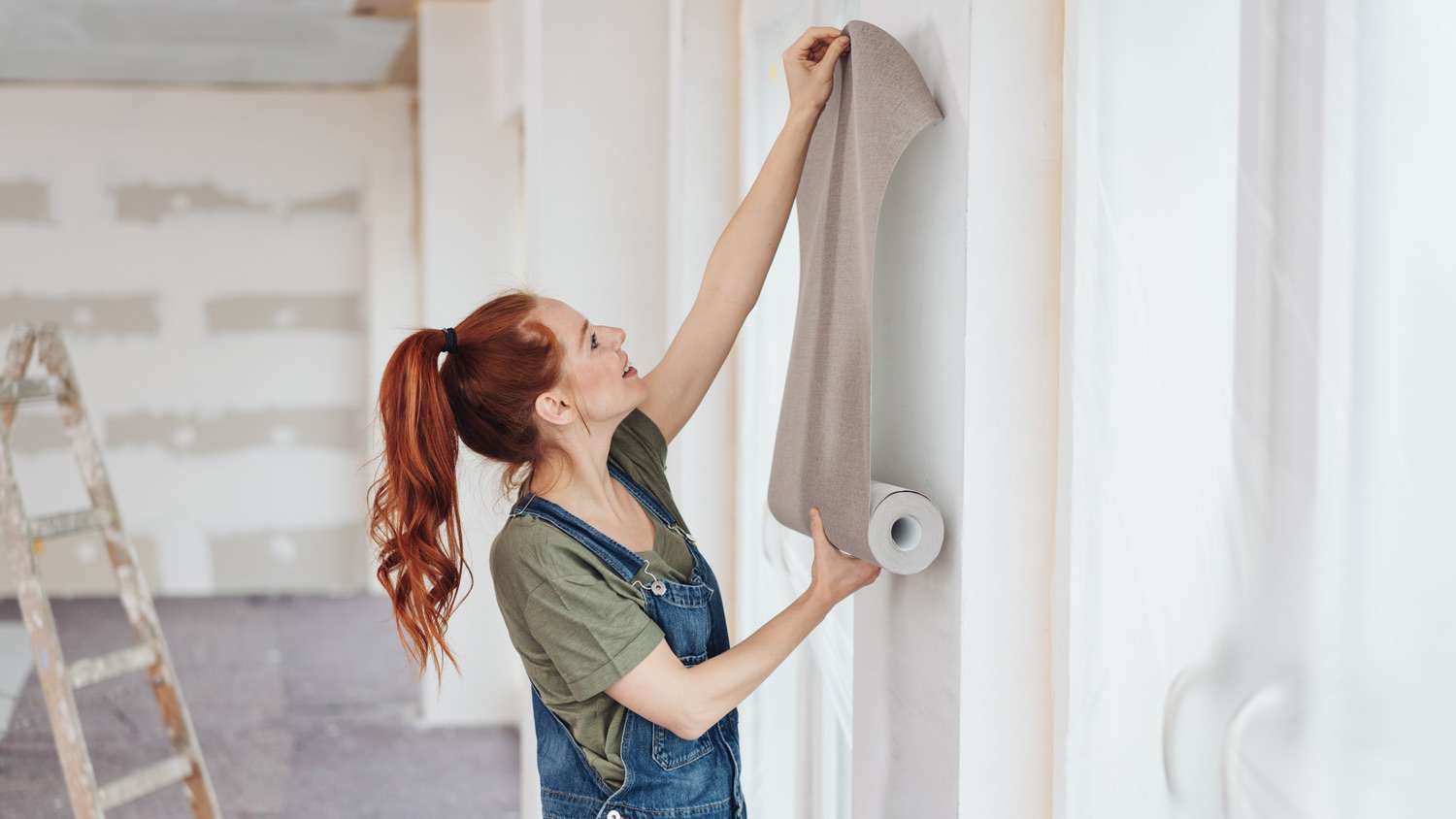
Walls should be as smooth as possible before applying peel-and-stick wallpaper. Although you technically can apply wallpaper on textured walls, the peel-and-stick variety won’t last long without a clean, smooth surface for the adhesive to stick to. If you have textured walls, consult a pro about removing the textured finish before moving forward with wallpaper.
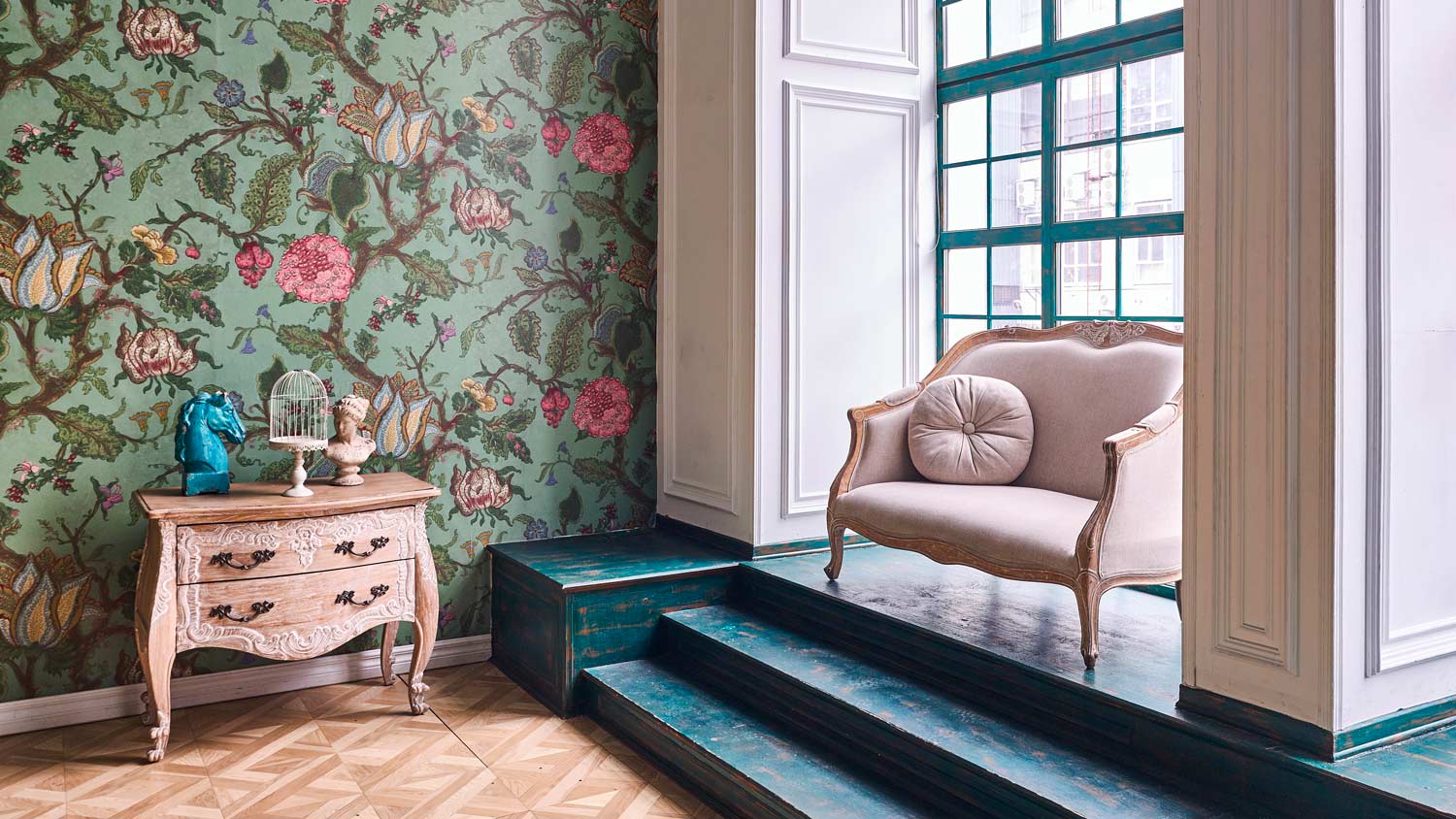
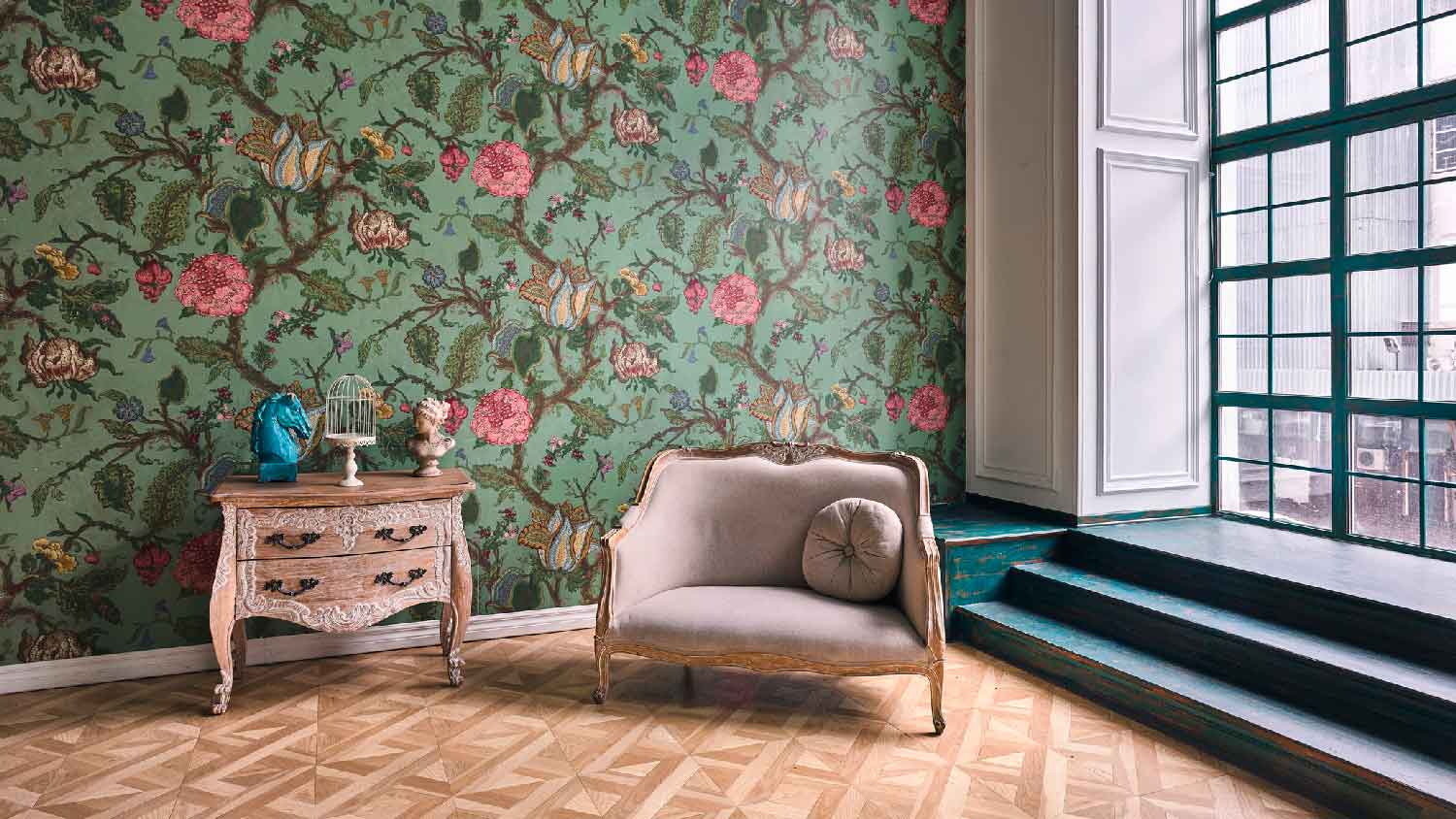
Many types of wallpaper exist, from removable peel-and-stick options to more permanent options that involve pasting. You can also find wallpaper that you can paint over, wallpaper with a texture, and wallpaper made from various materials, such as vinyl. Some types of wallpaper are washable, which can be a great option for kitchens or if your household has small children.
The Rock Point, AZ homeowners’ guide to wallpaper services
From average costs to expert advice, get all the answers you need to get your job done.
Discover wallpaper installation cost. Learn about material, labor, and project factors to estimate your budget and make informed choices for your home.
Whether you can put wallpaper over wallpaper depends on the type of paper you’re using and the condition of the existing surface. Learn more with this guide.