"I only use James when I need some work done to my house. He responds fast, gets the work done quicker than just about anyone else I've ever used and seems very concerned with leaving his customers happy."
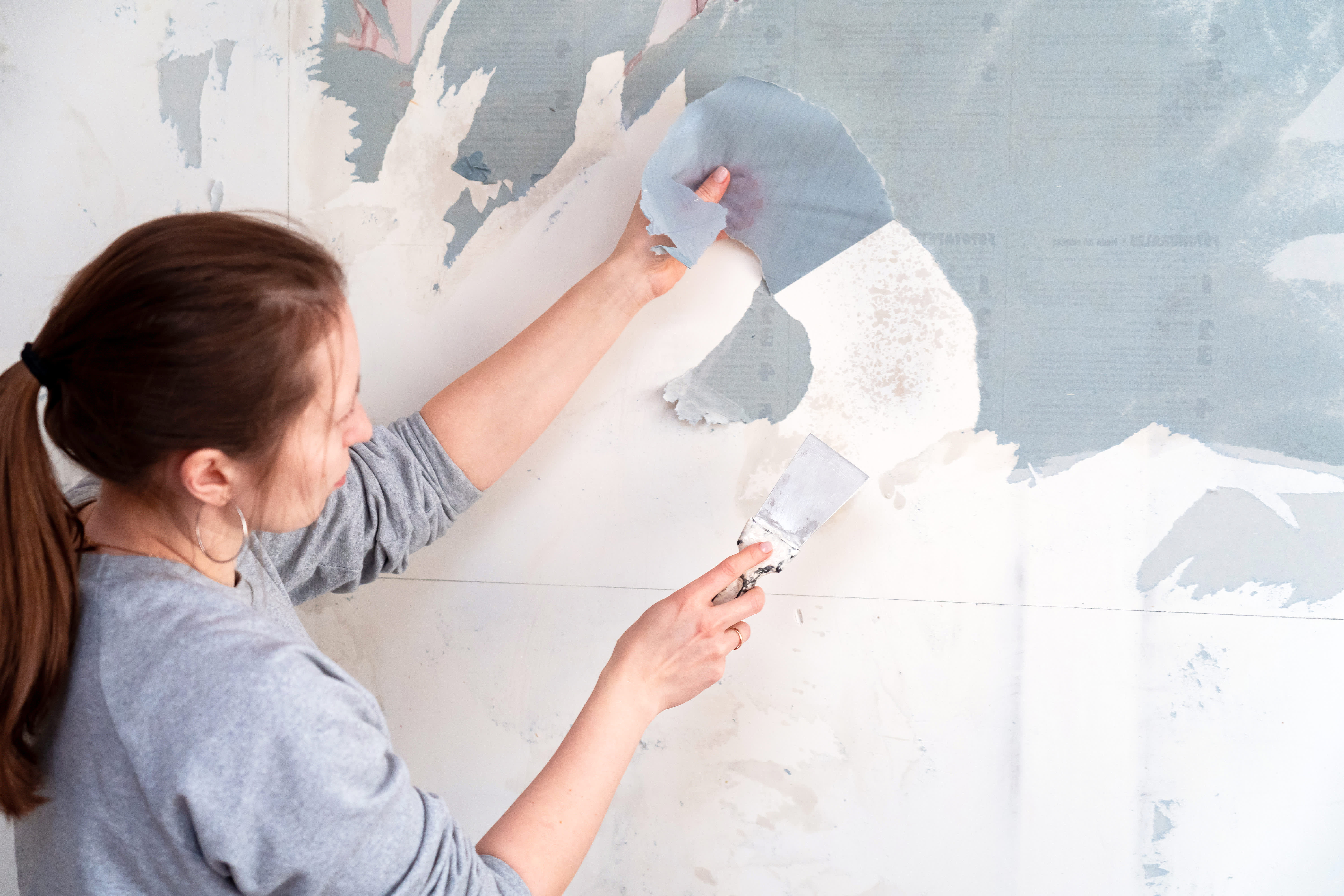
No, you don’t always have to remove old wallpaper before applying a new layer. However, you should pull off the existing wallpaper if it’s cracked, peeling, or in poor condition. We’d also recommend against putting wallpaper over textured or dark-colored wallpaper because the old layer may be visible through the new one. In addition, if you try to hang new wallpaper over vinyl-coated wallpaper, the adhesive might not stick properly.
Common mistakes when finishing basement walls include neglecting proper insulation, insufficient moisture management, and poor ventilation. Not addressing these issues can lead to mold growth, water damage, and discomfort. Additionally, inadequate planning, improper framing, and rushing the project can result in subpar outcomes.
It's essential to follow best practices, seek professional guidance if needed, and prioritize thoroughness and attention to detail.
While some people are confident in their ability to replace concrete by drilling out the broken pieces and replacing them with bagged concrete, it’s possible to run into snags that make hiring a professional worth it. Trying to level concrete slabs can require special equipment, which can be pricey to rent and tough to operate. It's also crucial to contact your town's municipal office to ensure you are allowed to take on the project without a permit.
When installing new steel doors, it’s smart to do other projects simultaneously. This can lower costs, limit mess, and help your home look and function better. For example, replacing a damaged doorframe is wise when planning door installations.
Also consider changing broken or worn-out locks, repairing or replacing weather stripping, and updating handles. Painting, staining, or upgrading the trim around the door can also improve energy efficiency, security, and aesthetics.
No, you don’t need to apply paint primer to your wall before hanging paintable wallpaper. Manufacturers design paintable wallpaper so that the paint will adhere effectively, so primer isn’t necessary. Plus, even if you opt for a light shade of paint, you won’t have to worry about the shade underneath showing through because you are painting on a light, white surface.
The Low Mountain, AZ homeowners’ guide to wallpaper services
From average costs to expert advice, get all the answers you need to get your job done.
Discover wallpaper installation cost. Learn about material, labor, and project factors to estimate your budget and make informed choices for your home.
Wallpaper removal requires physical labor and can be a sticky mess. Consider these tips on the best ways to remove wallpaper to make the process as smooth as possible.
Is washable wallpaper suitable for bathrooms? Yes, but this only applies to certain types of wallpaper in specific situations. Here’s what you need to know.
Taking down wallpaper is a tedious and time-consuming job. Here are some tips on how to hire someone to remove wallpaper for you to make your life easier.