"I only use James when I need some work done to my house. He responds fast, gets the work done quicker than just about anyone else I've ever used and seems very concerned with leaving his customers happy."
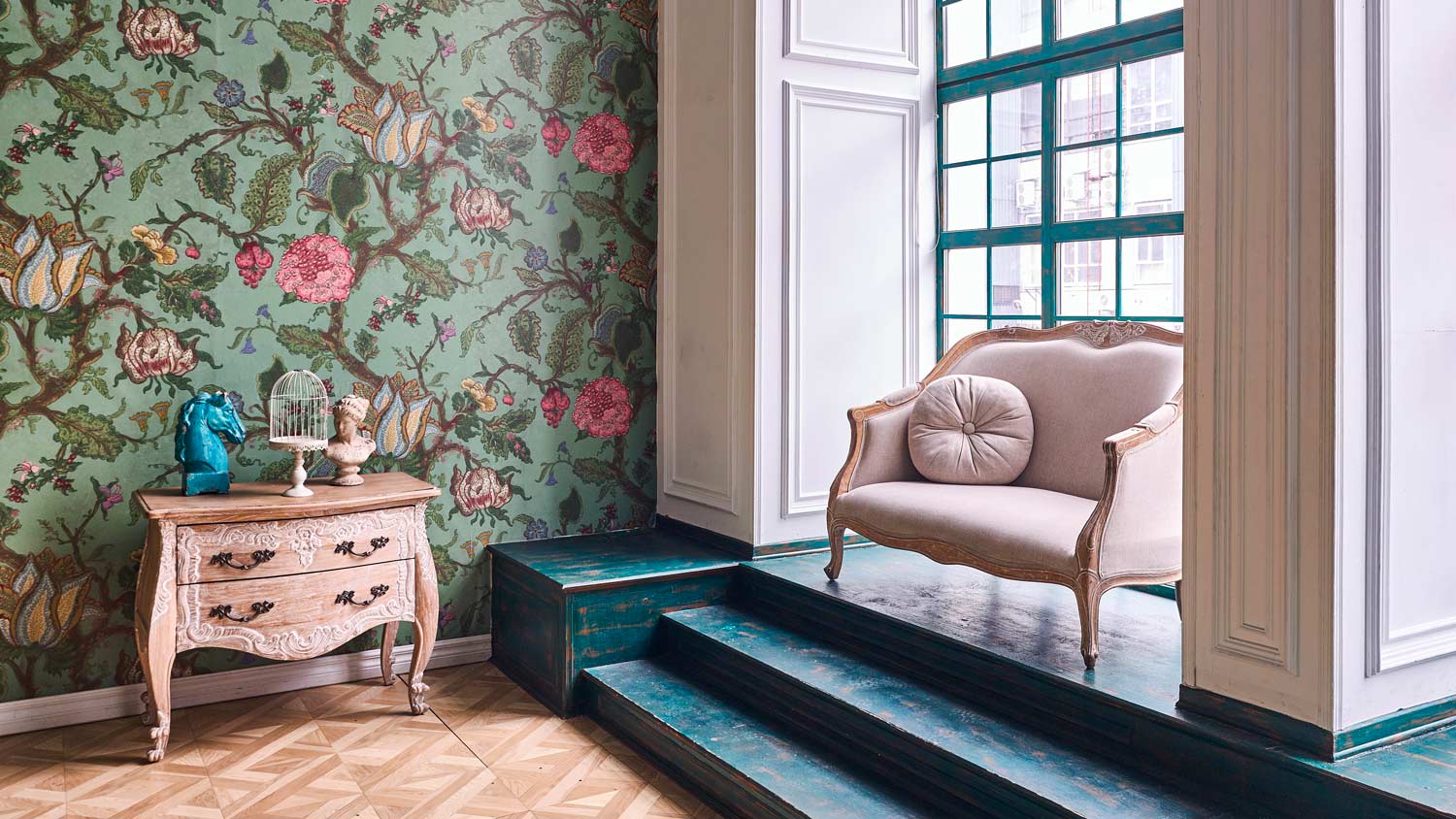
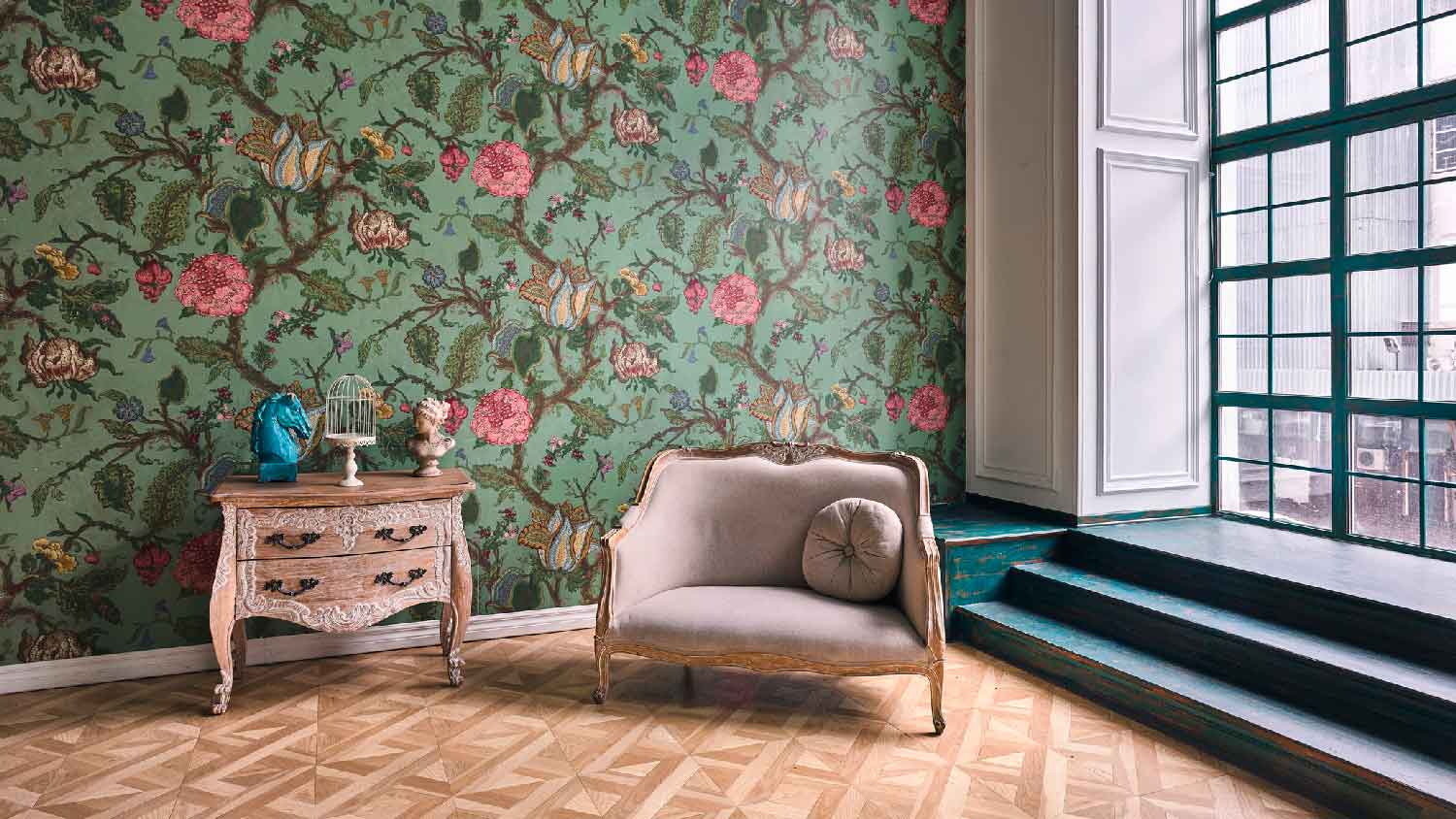
There can be too much of a good thing when it comes to accent walls, so avoid creating one in every room in your house. Some rooms, like bathrooms and kitchens, don’t naturally lend themselves to accent walls, so it’s best to skip them there. Of course, your home should reflect your own sense of style, so if accent walls in multiple rooms appeal to you, there’s no hard-and-fast rule forbidding it.
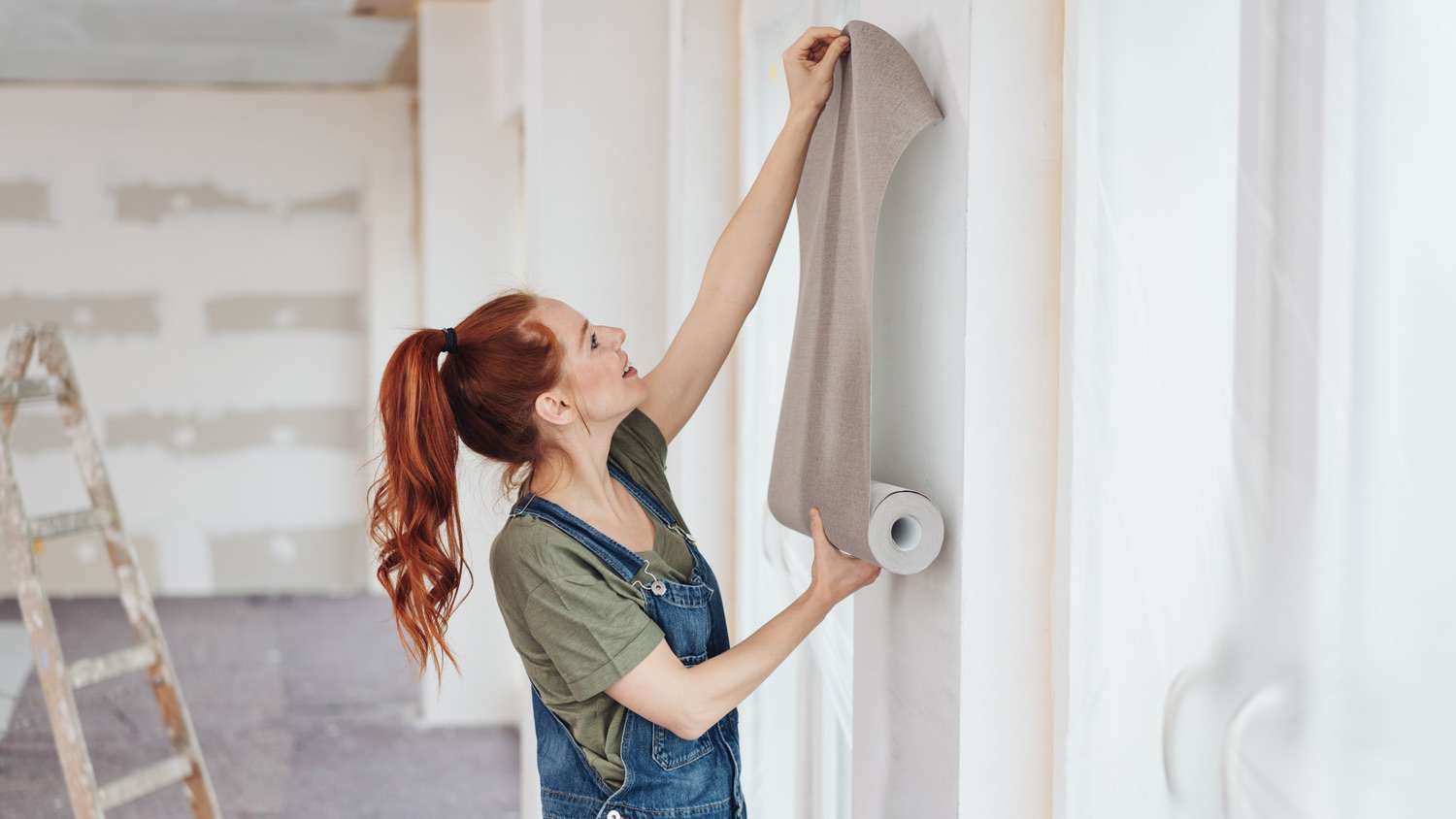
If you prefer peel-and-stick to traditional wallpaper, you can skip the priming process. Many manufacturers don't require an additional primer if you’re installing peel-and-stick wallpaper to painted walls. However, if you’re applying peel-and-stick wallpaper to unfinished drywall, you’ll need to apply a primer first.
The color of the paint, its opacity, and the depth of the texture on the paper all affect how many coats of paint you need to apply to paintable wallpaper. You'll need at least two coats of paint to ensure even coverage. Don’t be surprised if you need to apply three coats if the embossing is very deep or if you use a dark color.
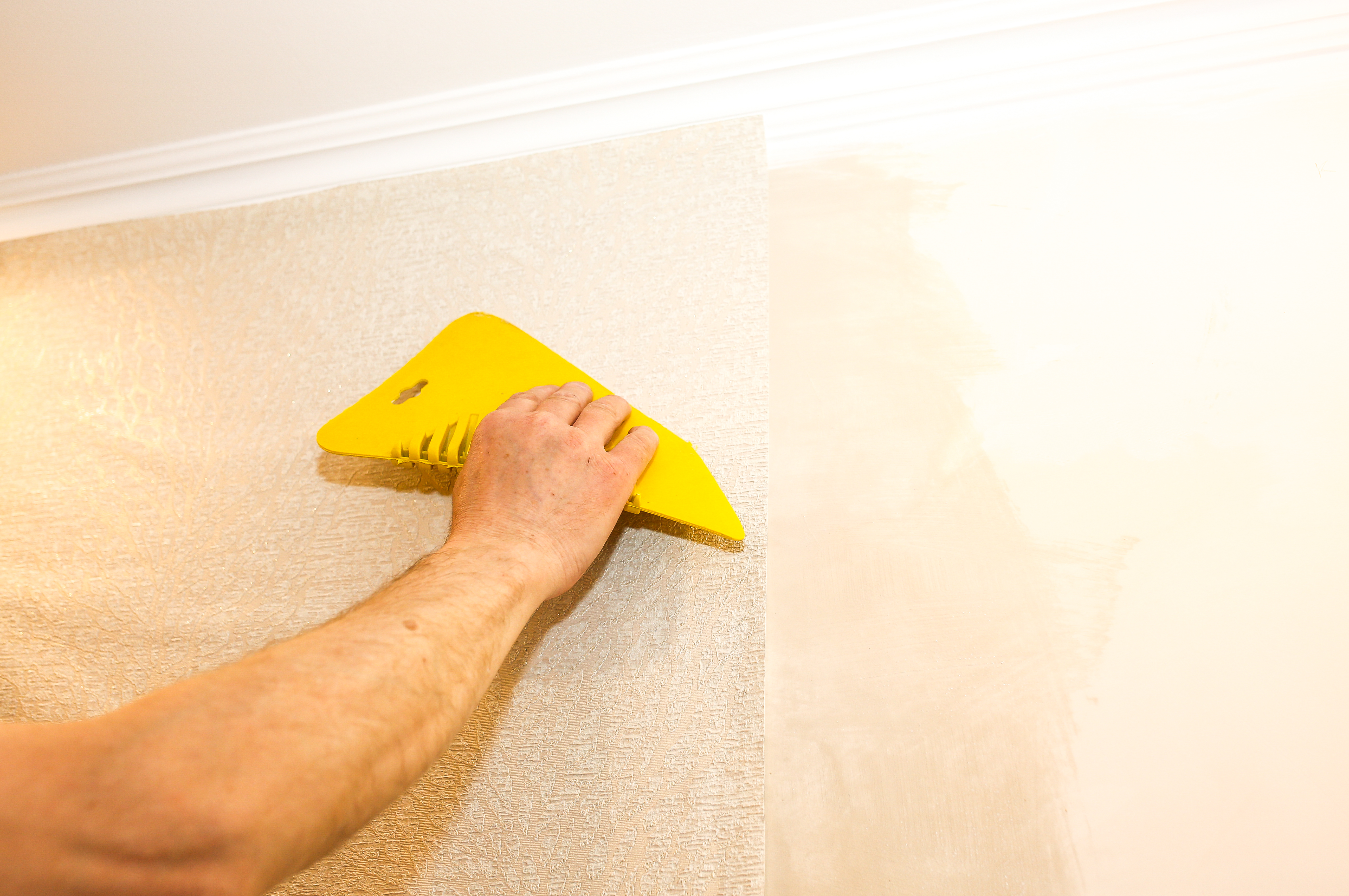
To layer wallpaper over wallpaper, inspect your existing wallpaper for problem areas. Damaged wallpaper should not be covered. If it’s okay to proceed, prep by turning off the electricity and removing any outlet and switch covers. Dust your walls and lightly rinse them to prevent the existing paper from peeling. Apply primer, then apply your new wallpaper.
It is less costly to paint than wallpaper when you only consider the upfront cost. Wallpaper costs $320 to $820 when applied by a pro, while paint only costs $200 to $700 per room. However, when comparing wallpaper versus paint, consider the long-term as well. Wallpaper can save you money over time since it has a much longer life span than paint.
The Pinon, AZ homeowners’ guide to wallpaper services
From average costs to expert advice, get all the answers you need to get your job done.
Discover wallpaper installation cost. Learn about material, labor, and project factors to estimate your budget and make informed choices for your home.
Whether you can put wallpaper over wallpaper depends on the type of paper you’re using and the condition of the existing surface. Learn more with this guide.