"I only use James when I need some work done to my house. He responds fast, gets the work done quicker than just about anyone else I've ever used and seems very concerned with leaving his customers happy."
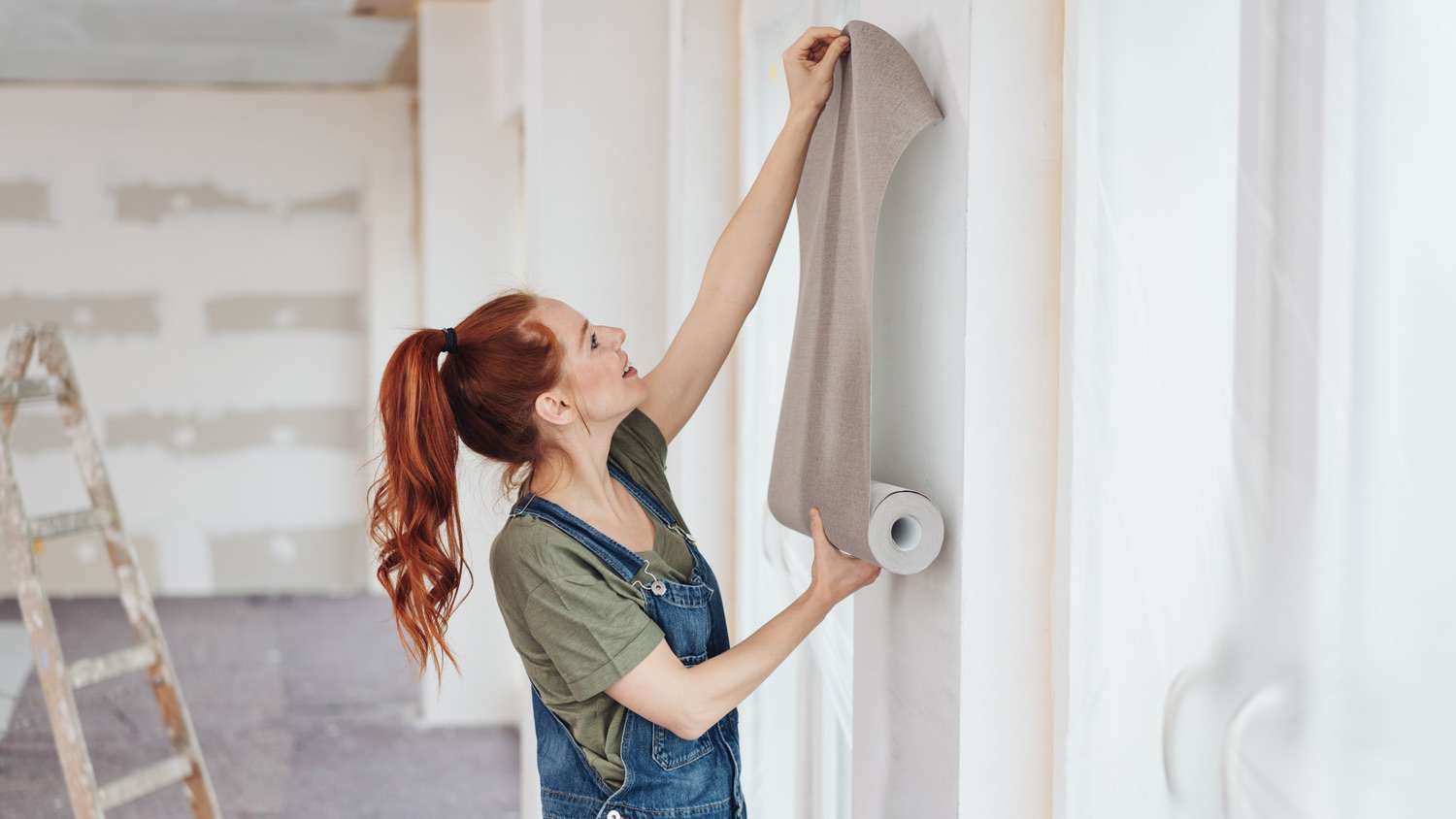
If you prefer peel-and-stick to traditional wallpaper, you can skip the priming process. Many manufacturers don't require an additional primer if you’re installing peel-and-stick wallpaper to painted walls. However, if you’re applying peel-and-stick wallpaper to unfinished drywall, you’ll need to apply a primer first.
Your peel-and-stick wallpaper can fall off for multiple reasons, including high humidity levels, extreme temperature changes, poor installation, and even the wall surface. Textured walls can prevent the adhesive from fully sticking to the wall, making it more likely for the wallpaper to peel off. Low-quality wallpapers with weaker adhesives are also more likely to fall off prematurely.
Spring and fall are the best seasons to apply wallpaper because excessively hot or cold temperatures can cause issues with the paste used to attach the paper to the wall. A professional wallpaper hanger can help you decide if your home is too hot, cold, humid, or dry for the wallpaper to stick properly.
Hiring a professional wallpaper hanger is usually a worthwhile idea because, while the application of wallpaper itself is easy, getting the finished product to look good is complicated and takes a lot of practice and patience. A professional wallpaper hanger will not only be able to hang your wallpaper seamlessly, but they will also get an even application of wallpaper paste to avoid bubbling and imperfections immediately and over time. Plus, they can provide their professional opinion on whether to remove or wallpaper over an existing layer of wallpaper.
We don’t recommend wallpapering over older paper. That’s because creating layers of glue can invite bubbling or excess moisture on the wall’s surface. You should also prime your wall before applying wallpaper and smooth the wall as much as you can, and another layer of wallpaper complicates this process.
The Chilchinbito, AZ homeowners’ guide to wallpaper services
From average costs to expert advice, get all the answers you need to get your job done.
Discover wallpaper installation cost. Learn about material, labor, and project factors to estimate your budget and make informed choices for your home.
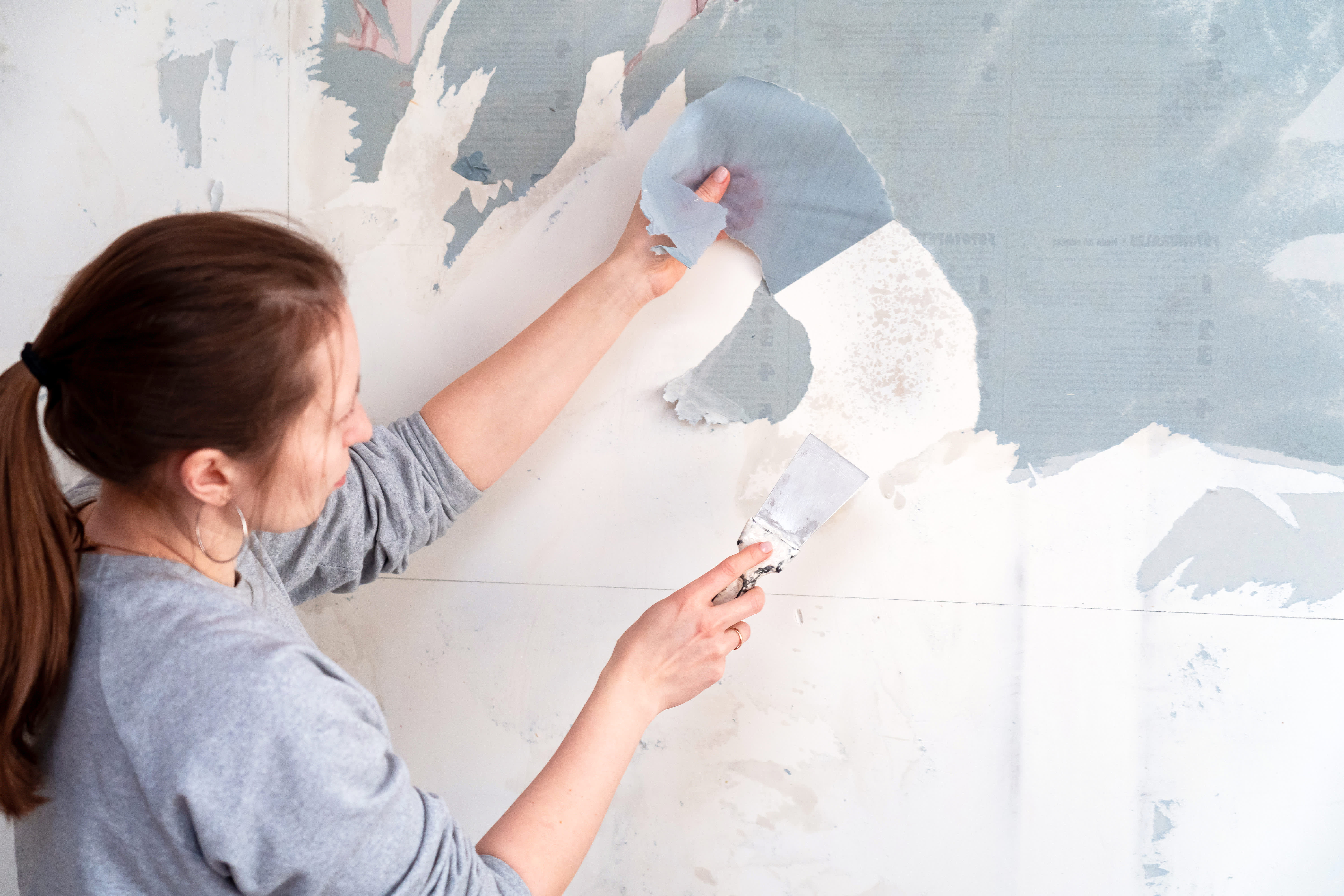
Wallpaper removal requires physical labor and can be a sticky mess. Consider these tips on the best ways to remove wallpaper to make the process as smooth as possible.
Is washable wallpaper suitable for bathrooms? Yes, but this only applies to certain types of wallpaper in specific situations. Here’s what you need to know.
Taking down wallpaper is a tedious and time-consuming job. Here are some tips on how to hire someone to remove wallpaper for you to make your life easier.