"My house was cleaner than even my best attempt, and thatâ s saying something! She was extremely detailed and got all the corners, spotless stainless steal appliances, dusted our pendant lights, so many little details that I really appreciate :) Usually when I hire cleaners I have to touch up where they missed, this lady missed NOTHING!!"
"I only use James when I need some work done to my house. He responds fast, gets the work done quicker than just about anyone else I've ever used and seems very concerned with leaving his customers happy."
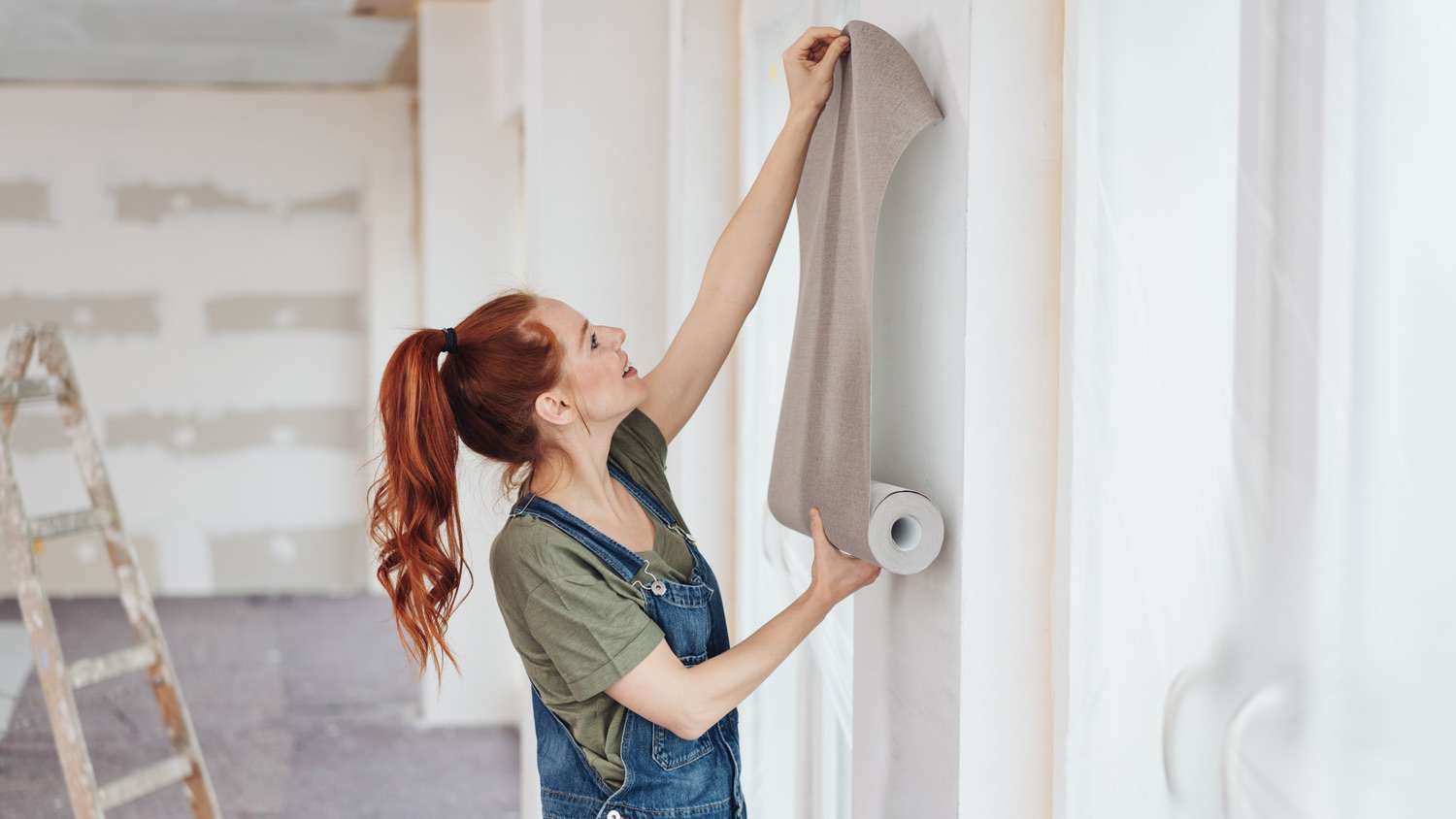
Hanging wallpaper may seem simple, but in practice it requires significant planning and finesse to make it look professional. To start, you need to get an even application of wallpaper paste across all of your wallpaper, which requires experience and large pasting tables to get right. You also need to plan out your design and match it exactly so that you don’t have imperfections in the finished product. It’s often better to hire a professional wallpaper hanger who can get the job done properly for a clean, smooth finish.
Once again, contact with moisture is the culprit here, though water-resistant varieties of wallpaper are less likely to become wet and develop mold. Using a high-quality exhaust fan or dehumidifier and leaving the doors or windows cracked after bathing will keep this issue at bay.
It is less costly to paint than wallpaper when you only consider the upfront cost. Wallpaper costs $320 to $820 when applied by a pro, while paint only costs $200 to $700 per room. However, when comparing wallpaper versus paint, consider the long-term as well. Wallpaper can save you money over time since it has a much longer life span than paint.
White walls are considered a classic and timeless look and will most likely always be in style. A white wall easily blends into any type of home decor style which makes it a suitable option for most homeowners. Another appealing quality about white walls is that if it's not a color someone is going for, the color is easy to paint over.
When installing new steel doors, it’s smart to do other projects simultaneously. This can lower costs, limit mess, and help your home look and function better. For example, replacing a damaged doorframe is wise when planning door installations.
Also consider changing broken or worn-out locks, repairing or replacing weather stripping, and updating handles. Painting, staining, or upgrading the trim around the door can also improve energy efficiency, security, and aesthetics.
The Halls Crossing, UT homeowners’ guide to wallpaper services
From average costs to expert advice, get all the answers you need to get your job done.
Discover wallpaper installation cost. Learn about material, labor, and project factors to estimate your budget and make informed choices for your home.
Whether you can put wallpaper over wallpaper depends on the type of paper you’re using and the condition of the existing surface. Learn more with this guide.