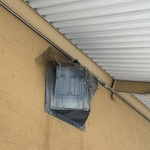
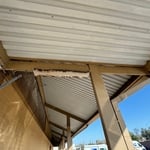
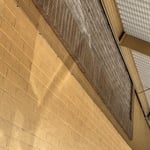
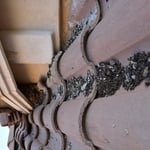
As a family-owned Arizona pest control company, we provide dependable residential and commercial pest control. Our trained technicians help with scorpions, ants, cockroaches, spiders, rodents, termites, bed bugs, bees, birds, fleas, ticks, mosquitoes and many of the other pests Arizona property owners deal with throughout the year. We also provide termite control, rodent control and trapping, bird services, home sealing, weed control and professional pest inspections.
\n
\n
"We have not started the service yet. But, the free termite inspection was thorough and the technician gave us excellent advice regarding termite control. We agreed to begin a general pest control service next month."
"if you have pigeon problems, please contact them as soon as possible for helping you with these birds leaving a major mess on your roof and surrounding areas."
"The installation went smoothly and was done in a fairly timely manner. We don't get as many birds in the winter as summer so will have to wait and see how it well it will work then. So far it seems to be making a big difference."
"Every time I reach out to Stephanie at Mammoth Pest Control, she is very friendly, knowledgeable and jumps on the issues right away! I am a property manager, so this is very important to me! She also offers excellent customer service to the owners and tenants!"
"They are always professional, prompt, personable, communicate well and pay close attention providing a great service. I am completely satisfied! I will recommend them and use them, again."
Hanging wind chimes or motion-activated speakers near your home may be an effective way to deter woodpeckers, as sudden movement and sound often scare birds away. You could also try using reflective decorative items such as pinwheels or mirrors or placing decoys of large predatory birds in your yard. If these measures don’t deter the woodpeckers, you may need the help of a bird removal pro.
Pest control measures for bird and bat issues typically last from several weeks to months, depending on the effectiveness of the implemented solutions and the return of conducive conditions.
It can be difficult to know what type of animal is in your attic until you see it. But several clues can help you narrow down the suspects:
Sounds: Smaller animals like rats and mice make scurrying and tapping/gnawing sounds. Larger animals like raccoons and opossums make louder clambering noises. Also, note when animals are noisy: Squirrels are active during the day, while rats are busiest at night.
Droppings: Rats and mice leave small, rice-shaped droppings (the rat’s version is significantly larger). Bigger droppings belong to larger critters like raccoons. As long as you’re not squeamish, an image search can help you identify what you’re seeing in your attic.
When in doubt, take photos of damage or other evidence and show them to an experienced pest control pro.
It's advisable to avoid using harmful methods to eliminate birds. Poisoning birds is inhumane and can have unintended ecological consequences, affecting other wildlife and pets. Similarly, using firearms or other lethal means poses safety risks and could be illegal in many areas. Sticky substances like adhesives can cause birds to become trapped and injured. Lastly, playing excessively loud or distressing noises can stress birds and humans. Focusing on humane and environmentally responsible strategies is essential when dealing with bird issues.
Pest control and wildlife removal are different services. Pest control specialists typically handle insects and bugs, often using chemicals and poisonous sprays for extermination. Wildlife removal professionals, on the other hand, focus on larger animals. They prioritize humane methods like trapping and relocation, using poison only as a last resort. For insect problems, contact a pest control professional; for issues with other animals, an animal or wildlife removal specialist is the correct choice.
The Rio Verde, AZ homeowners’ guide to bird control services
From average costs to expert advice, get all the answers you need to get your job done.
Whether you have bugs, bats, or rodents invading your home, you’ll want to contact an exterminator quickly. Find out how much pest control costs in Phoenix, AZ.
Find out the average bat removal cost in Phoenix, AZ. Learn what you can expect to pay for local wildlife control services and safely exclude pests today.
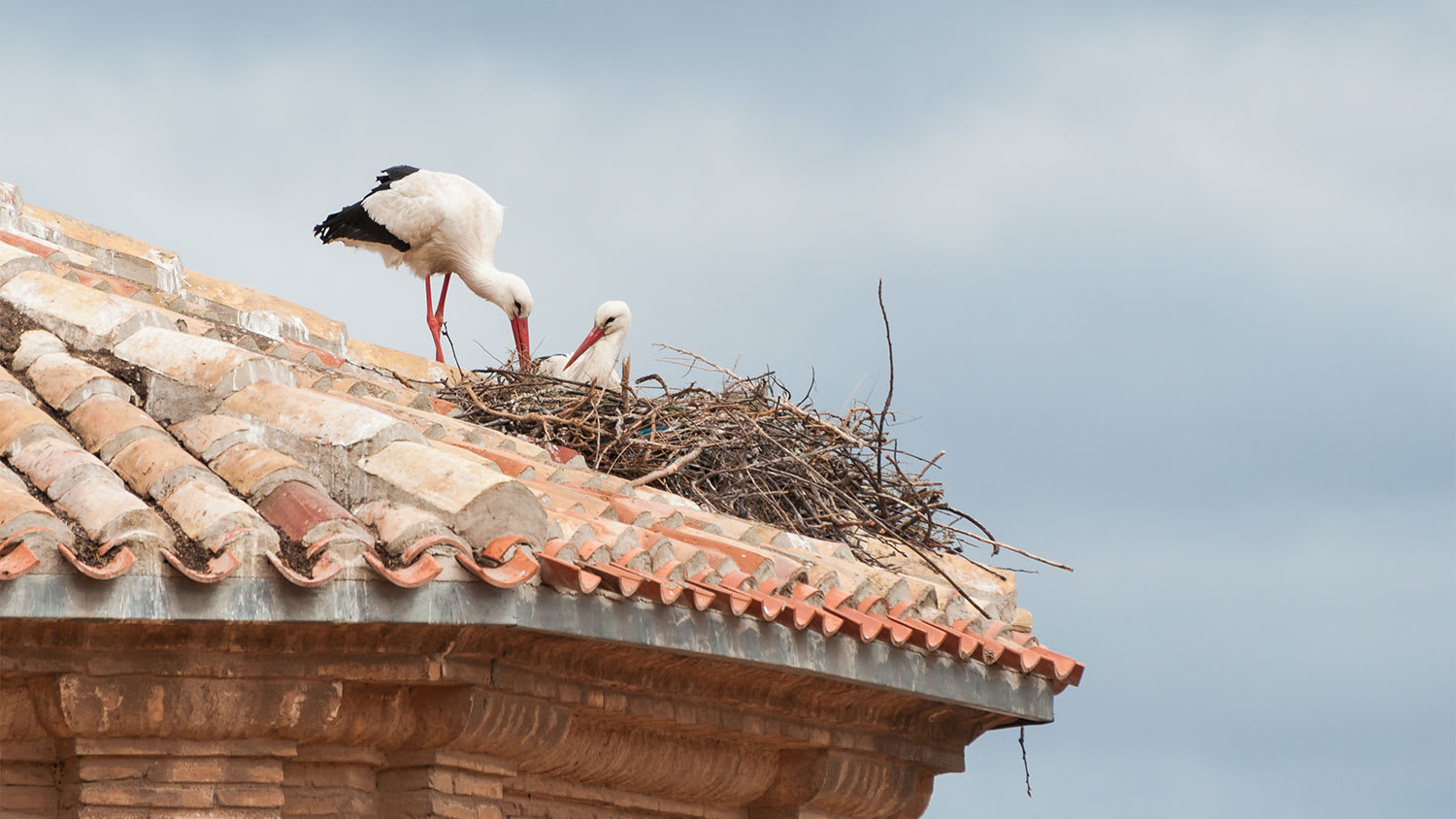
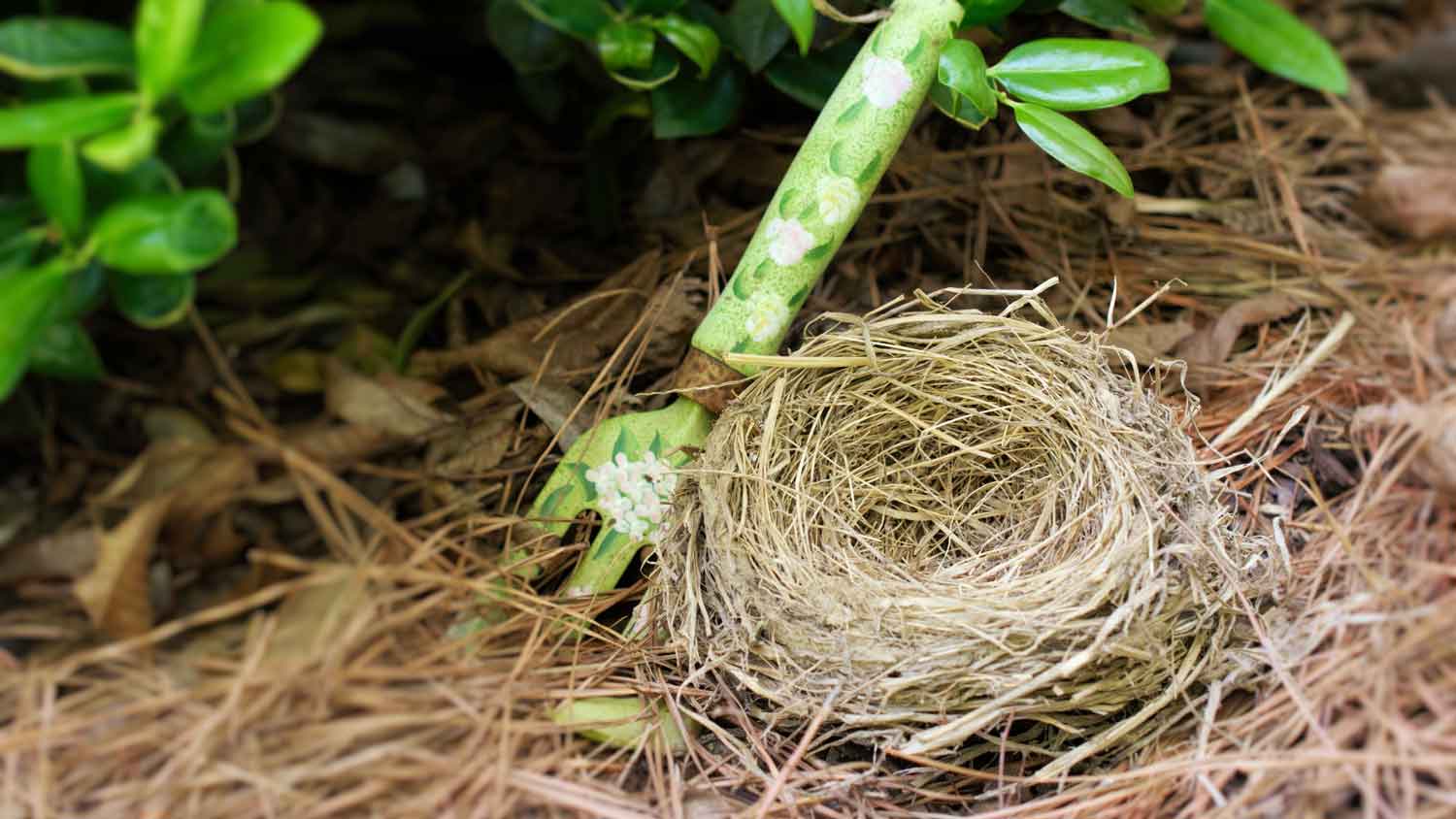
Sometimes birds nest in unwelcome places. Find out how much bird nest removal will cost based on factors like location, bird species, and preventative measures.