



"We have not started the service yet. But, the free termite inspection was thorough and the technician gave us excellent advice regarding termite control. We agreed to begin a general pest control service next month."
"I had a rat infestation in my attic. Critter Bros came out and cleared out my attic and set traps. I have not seen any rats since. They were fast and professional. Highly recommend these guys for any “Critter” issues. Great people here!"
"Every time I reach out to Stephanie at Mammoth Pest Control, she is very friendly, knowledgeable and jumps on the issues right away! I am a property manager, so this is very important to me! She also offers excellent customer service to the owners and tenants!"
Rabbits face a range of formidable adversaries in rural and suburban areas. Natural predators such as hawks, foxes, bobcats, raccoons, coyotes, and weasels pose significant threats to their survival. These skilled hunters target bunnies for food, contributing to regulating rabbit populations. Outdoor housepets can be enemies, too, particularly dogs and cats. And loud little humans playing in your yard make great rabbit deterrents, too.
Identifying the specific animal running on your roof at night can be challenging without direct observation. Common nocturnal roof visitors include raccoons, squirrels, opossums, and rats. Raccoons are bigger and can create heavy thumping sounds. Squirrels are agile and may produce rapid scurrying noises. Opossums tend to move stealthily with less noise. Rats can make scratching or gnawing sounds. To determine the culprit, look for signs like footprints, droppings, or damaged areas near the roof. For accurate identification, consult a pest control professional or set up wildlife cameras near potential entry points.
Woodpeckers peck at the break of dawn and take a break whenever the sun is not shining. On sunny days, expect pecking from dawn to dusk. On cloudy days, expect sporadic pecking when the sun peeks through. These birds are most active in the spring; you’ll hear them drumming as soon as the weather turns warm.
Look for goose repellents that contain the ingredient methyl anthranilate. This is a natural chemical found in grape juice. In human food, it’s often used as grape flavoring. With geese, it’s highly irritating. Grape Kool-Aid contains methyl anthranilate, the active ingredient in most bird repellents. It won’t harm geese, but it will deter them.
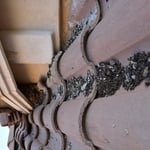
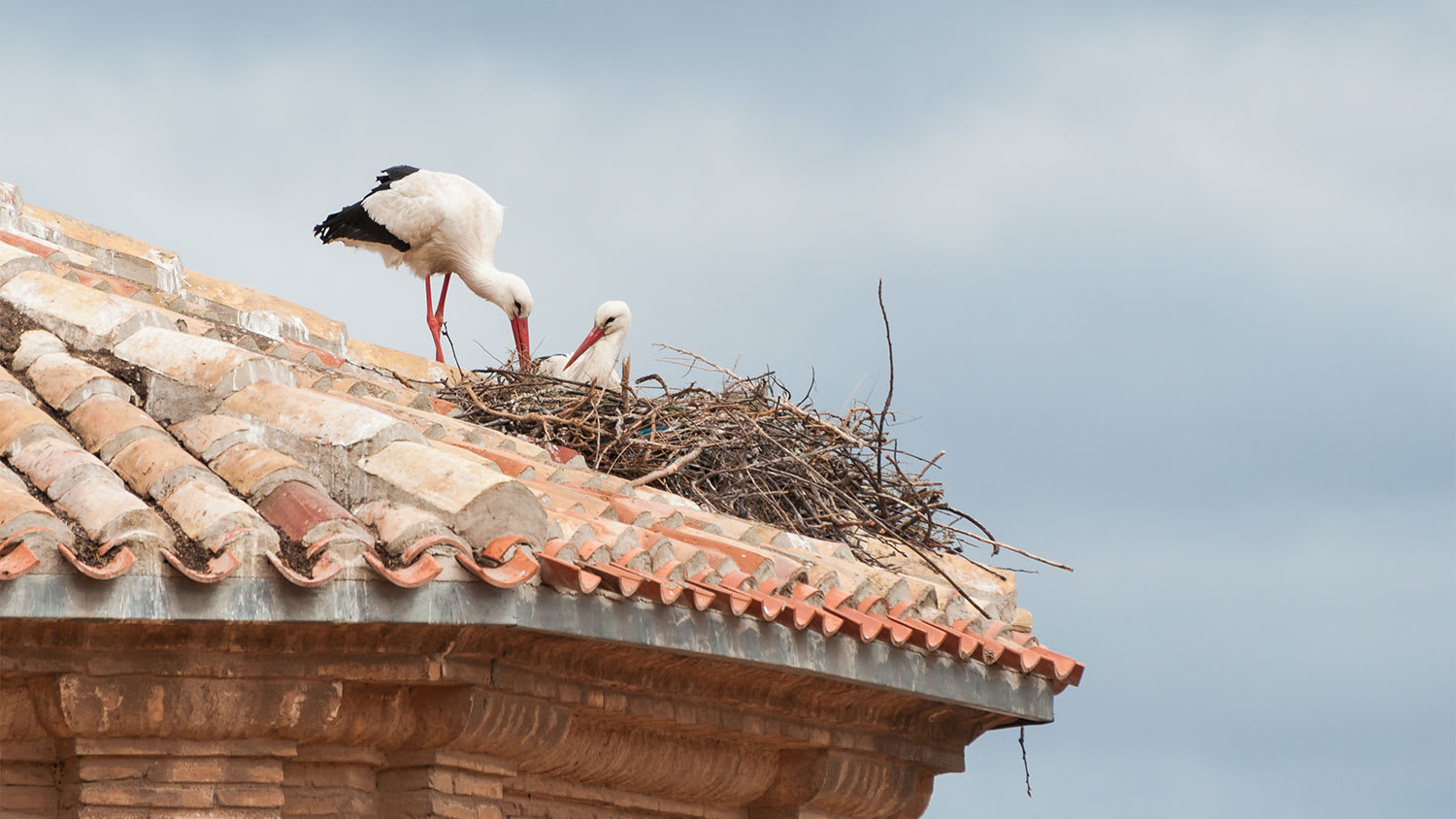
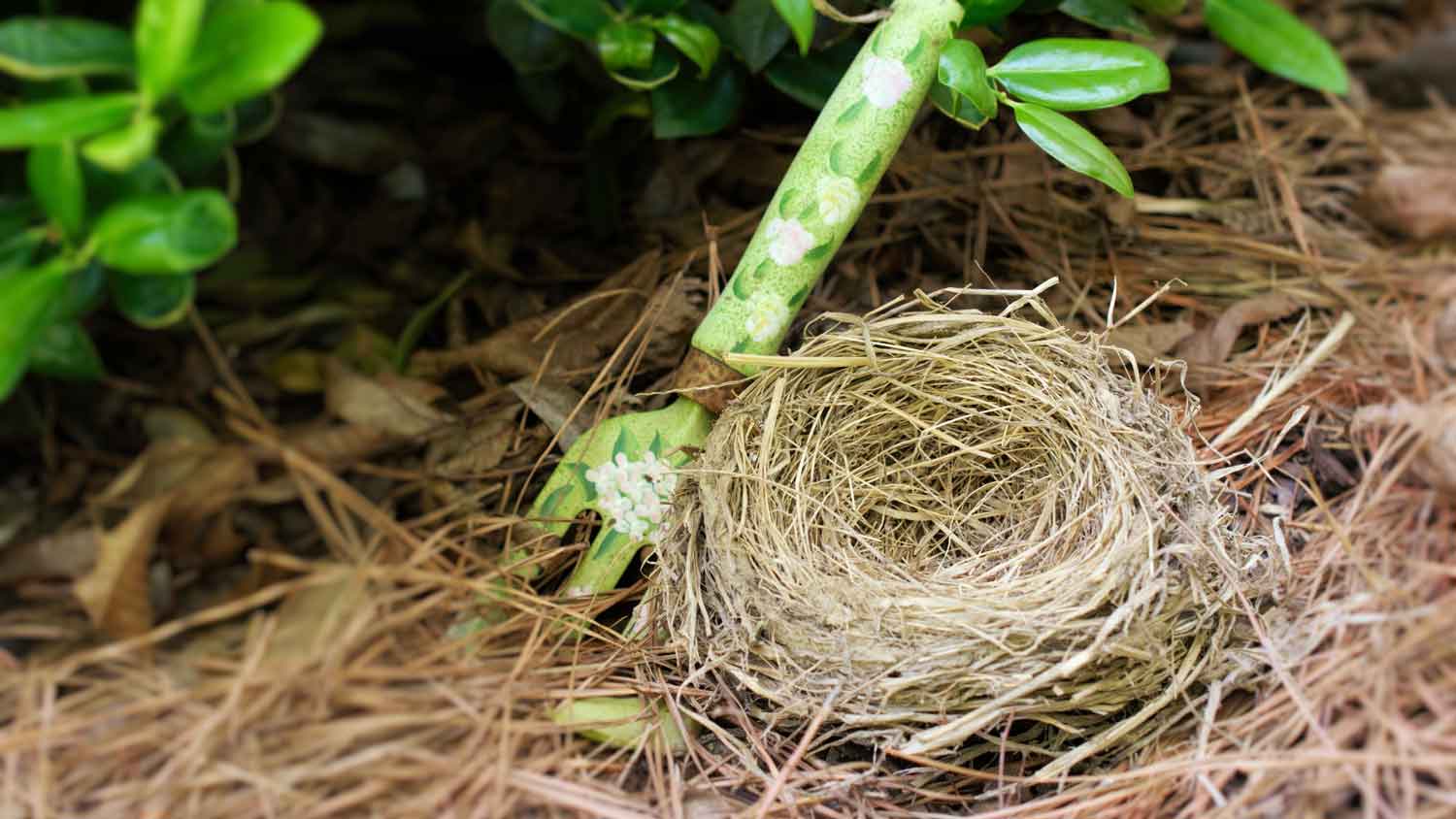
The lifespan of a bird's nest depends on the species. The building process can take from two days to three weeks. Once built, the nesting period for baby birds can last from two to ten weeks before they leave the nest. While most young birds are ready in two to six weeks, some predatory species may need up to two and a half months. Some species nest four to five times per year, so a nest could remain in use for several months. For specific information about a particular nest's longevity, it is best to consult a wildlife professional.
The Fort Mcdowell, AZ homeowners’ guide to bird control services
From average costs to expert advice, get all the answers you need to get your job done.
Sometimes birds nest in unwelcome places. Find out how much bird nest removal will cost based on factors like location, bird species, and preventative measures.