






Top-rated energy efficiency auditors.

Get matched with top energy efficiency auditors in Paulden, AZ

Enter your zip and get matched with up to 5 pros

Need a pro for your energy efficiency auditing project in Paulden, AZ?

Select your specific project to find the pro for you.

Find Energy efficiency auditors in Paulden

Energy Efficiency Auditing questions, answered by experts

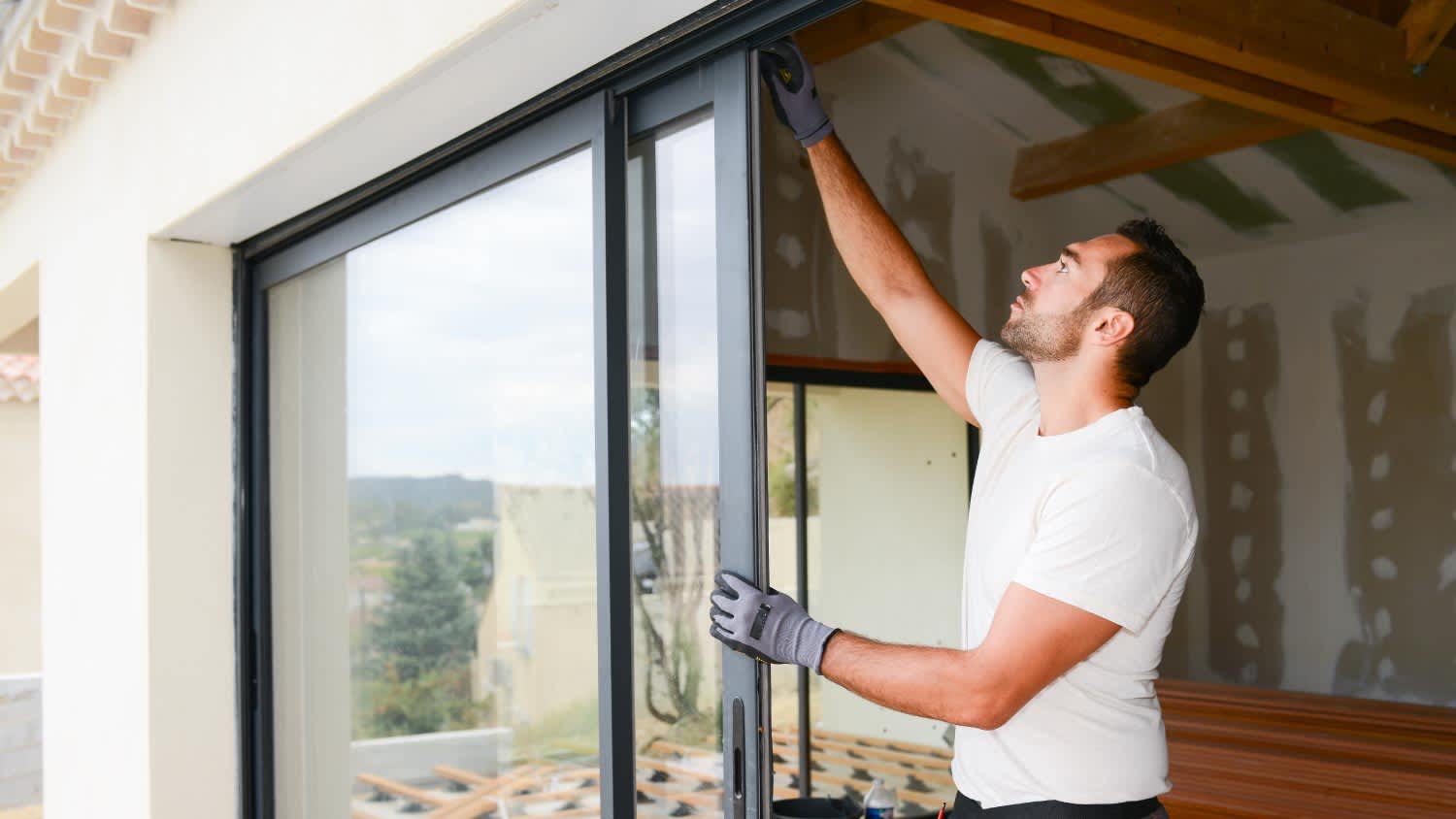
Replacing a window frame will improve your home’s energy efficiency if the old frame is cracked or damaged in a way that allows unconditioned air from the outside into your living space or if you upgrade to a more energy-efficient window frame material. Aluminum is the least energy-efficient window frame material, followed by vinyl and wood. Fiberglass and composite frames are the most energy-efficient.

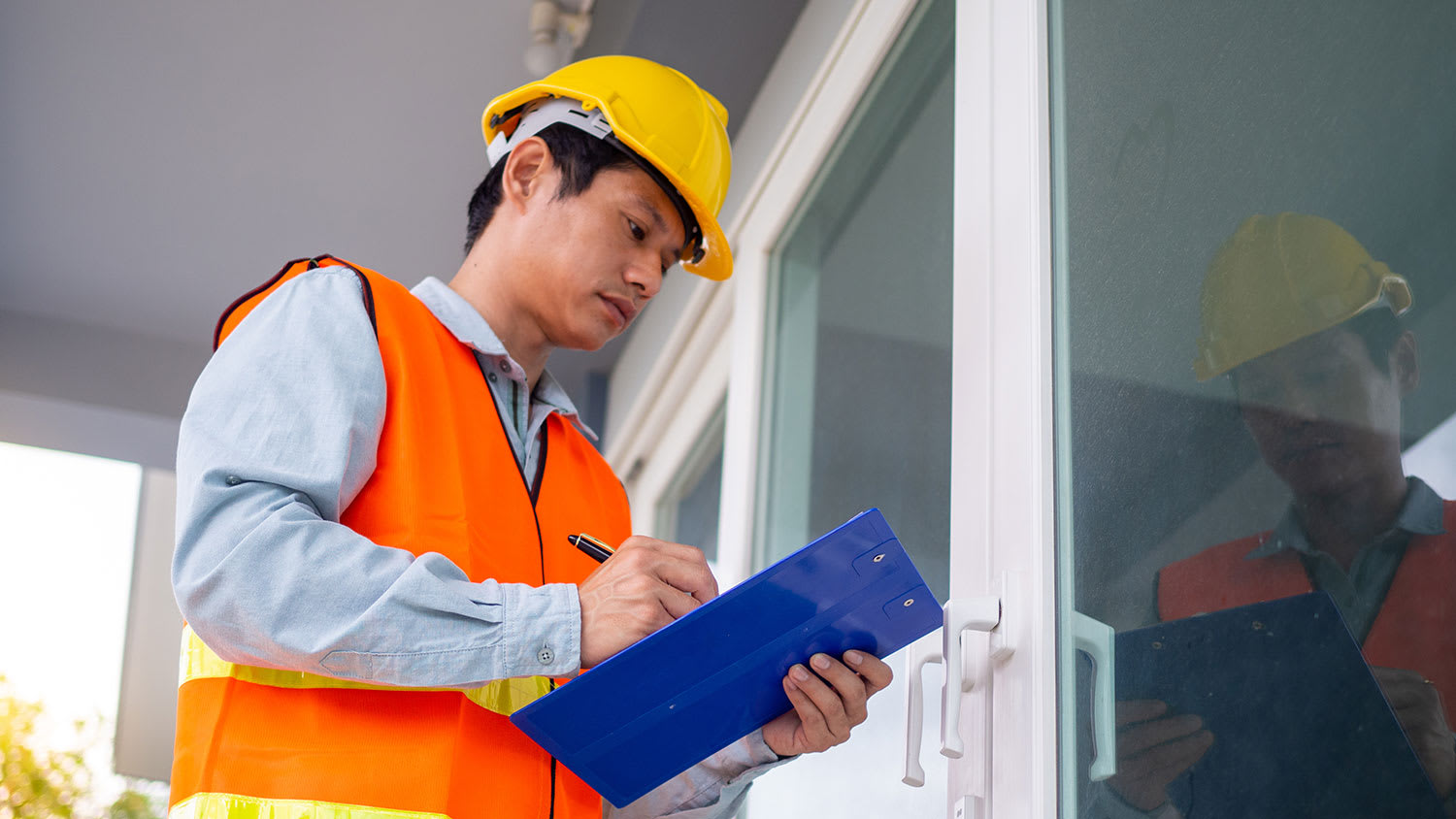
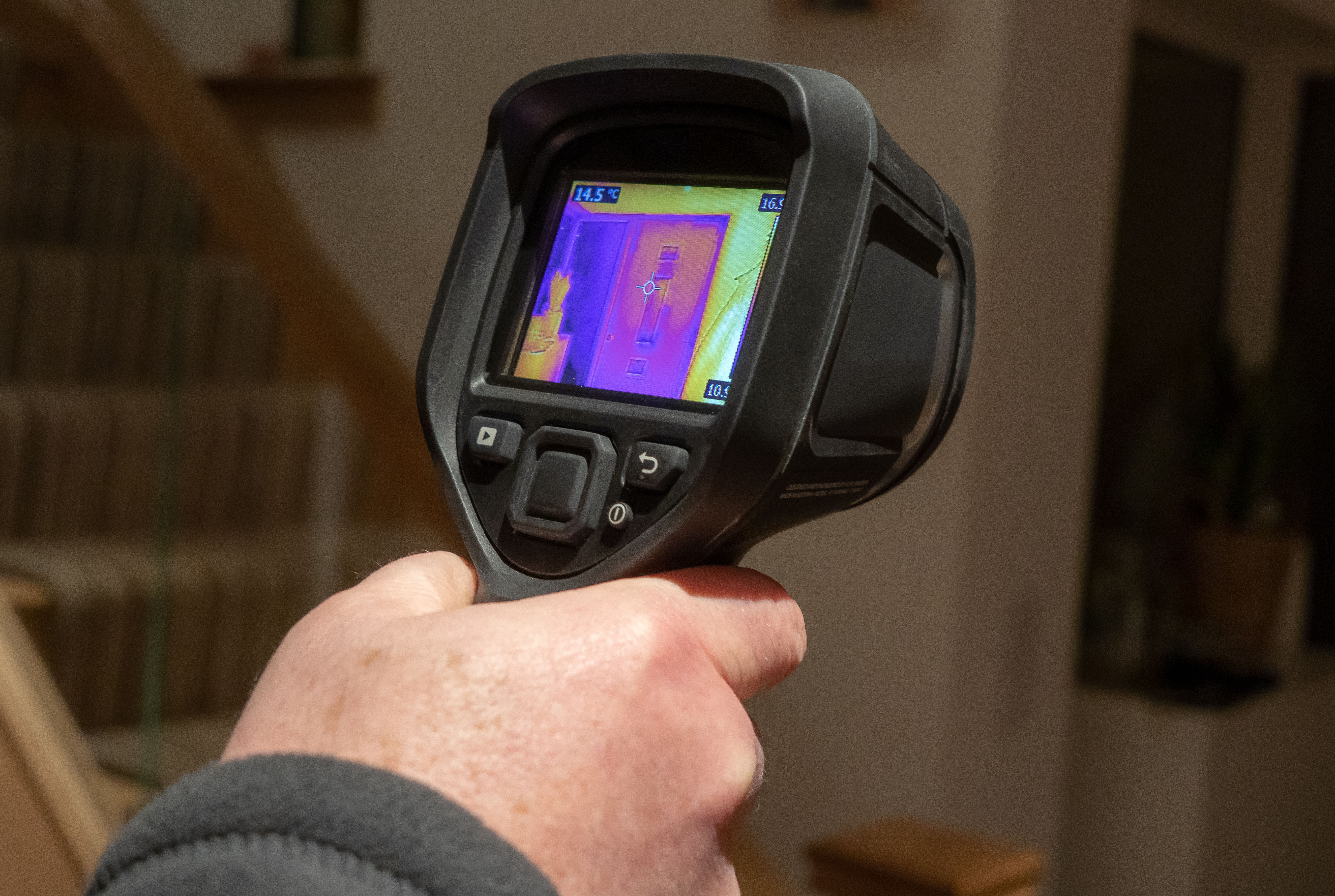
Depending on the level of audit you choose, a home energy audit will at least include a walk-through of the home to determine visible inefficiencies, but may include testing and a highly detailed inspection and report laying out the home’s inefficiencies and providing recommendations to fix those issues. The audit may also include a review of utility bills and mechanical testing. Consult your home energy auditor about the types of services they provide before hiring.

Solar water heating systems are not one-size-fits-all. You'll likely work with a team of experts to get the job done—including solar panel installers, plumbers, and water heater installers. A specialist will help you decide if a passive or active system is best for your local weather, home layout, roof stability, and your budget.

Hawaii is currently rated as the most expensive state for utilities. How much are utilities for a house in Hawaii? With electricity costs in Hawaii totaling nearly 42 cents per kilowatt-hour, residents are paying more to run their households than any other residents. Electricity costs in Hawaii are so high, mostly due to the fact that most of the electricity available to residents is produced using oil that must be shipped in from other places.

An average, 400-square-foot electric heated driveways consume approximately $3 per hour in terms of electricity. The price may slightly fluctuate depending on your local energy cost. A simple formula to calculate your heated driveway’s total wattage consumption is by multiplying the square footage by 50 watts and then dividing it by 1,000 to get the kilowatt number. Multiply that with your local energy cost per hour and there you have the hourly operating cost.

The Paulden, AZ homeowners’ guide to energy efficiency auditing services

From average costs to expert advice, get all the answers you need to get your job done.