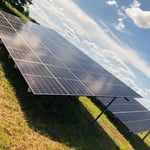
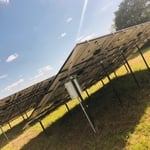
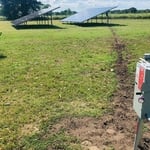
"EPC Solar delivered an exceptional experience for my solar panel installation. Their team was professional, timely, and completed the project ahead of schedule. The system works perfectly, and I’m thrilled with the results!"
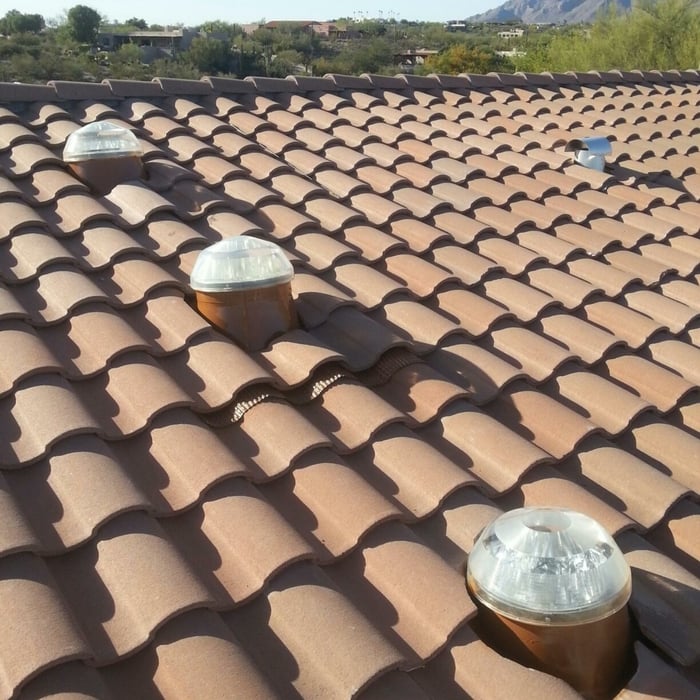
"Wonderfully. Jesus Hurtado is your guy. Awesome. One of the tubes was retrofitted into a existing roof/ceiling penetration where a chiminea and ducting had to be removed, and the hole enlarged; the other was new and included a solar powered night light. Very happy."
"I recently had the pleasure of working with Andrew Adams for the installation of solar panels on my home. With almost a decade of experience in the industry, Andrew's knowledge and expertise were impressive. He took the time to explain the differences between the various solar panels available and helped me select the ones that were right for my needs. Thanks to Andrew's guidance and expertise, I felt confident in my decision to buy the solar panels. The installation process was seamless, and I couldn't be happier with the end result. Overall, I would highly recommend Andrew to anyone looking for a knowledgeable and experienced solar expert"
"Overall a great experience, the system on the vacation home is working great! Jake helped guide us through the solar buying process and effectively explained all the benefits without pressuring us into buying anything we weren’t comfortable with. Definitely would work with him again."
Insurance companies aren’t against solar panels, but they may have concerns about the risks and costs of insuring solar. The type of policy, where you live, and the insurance company itself matter. Extreme weather can damage solar panels, and faulty installation or electrical malfunctions pose a fire risk—this, in turn, can increase insurance company liability and payouts. However, you’re likely to keep coverage as long as you have a pro install the solar system, keep it maintained, can pass a solar panel inspection, and update your homeowners policy to include solar.
The morning sun can be better for solar panels because it’s often brighter and clearer than the afternoon sun. The brighter the sun, the more energy solar panels produce. The strongest rays occur during midday, which tends to be prime time for solar energy generation. Most homes get a mix of morning and afternoon sunlight.
The time it takes to install solar panels depends on the number of panels and the size of your home, but installation takes between two and three days of work. While most contractors can install the panels over the course of a couple of days, switching to solar energy can take two to three months in total. This includes the time it takes to design the system, procure the parts, obtain the permits, install the panels, connect to the main power grid, and get an inspection.
If you’re deciding between a solar battery versus a generator for the best backup power solution, you can take a few factors into consideration. Solar batteries are quiet while generators can be quite loud. Generators have a lower up-front cost, but they require fuel and ongoing maintenance while solar batteries are more expensive but don’t have many ongoing costs.
The average homeowner needs around 22 solar panels, but the exact number depends on your monthly energy consumption. Your solar professional should size your array to offset your consumption, meaning you’ll need fewer panels if you use below-average amounts of electricity, or more than 22 if you use above-average amounts of electricity. The number of panels also depends on the output of each panel. The average is around 400 watts, but you might need more panels if you install less capable equipment. Since there are so many variables, you should have a professional size your system.
The Page, AZ homeowners’ guide to solar panel services
From average costs to expert advice, get all the answers you need to get your job done.
Find out how much it costs to remove solar panels, including average prices, key cost factors, and tips to save money on your solar panel removal project.
Discover solar panel maintenance costs, including average prices, cost factors, and tips to save, empowering you to keep your solar system running efficiently.
There are three types of solar panels: monocrystalline, polycrystalline, and thin-film. Before choosing one for your home, here are the pros and cons of each.
If you’re making the switch to solar energy, you’ll want to know the difference between solar panels versus solar shingles. Here are the pros and cons of each.