
•
Discover the average solar panel installation cost, key price factors, and expert tips to help you budget for your solar project.
Turn a sunny day into savings with the right solar panel size

Most residential solar panels use a standard 60-cell design measuring about 65 by 39 inches, with slight dimension variations across brands.
Solar panel sizing depends on your energy use, sunlight exposure, location, and panel efficiency, including half-cell designs that fit more cells.
Larger 72-cell panels measuring about 80 by 40 inches provide greater output when you need higher energy production or want improved efficiency.
Hiring a local solar panel installation professional keeps you off the roof and matches the right panel type and quantity to your home's needs.
Don’t underestimate the power of sunshine. You can save around $1,380 per year on energy bills by installing solar panels. You just need to choose the right size and quantity for your system. This guide provides a rundown on solar panel dimensions and how to estimate how many you need.

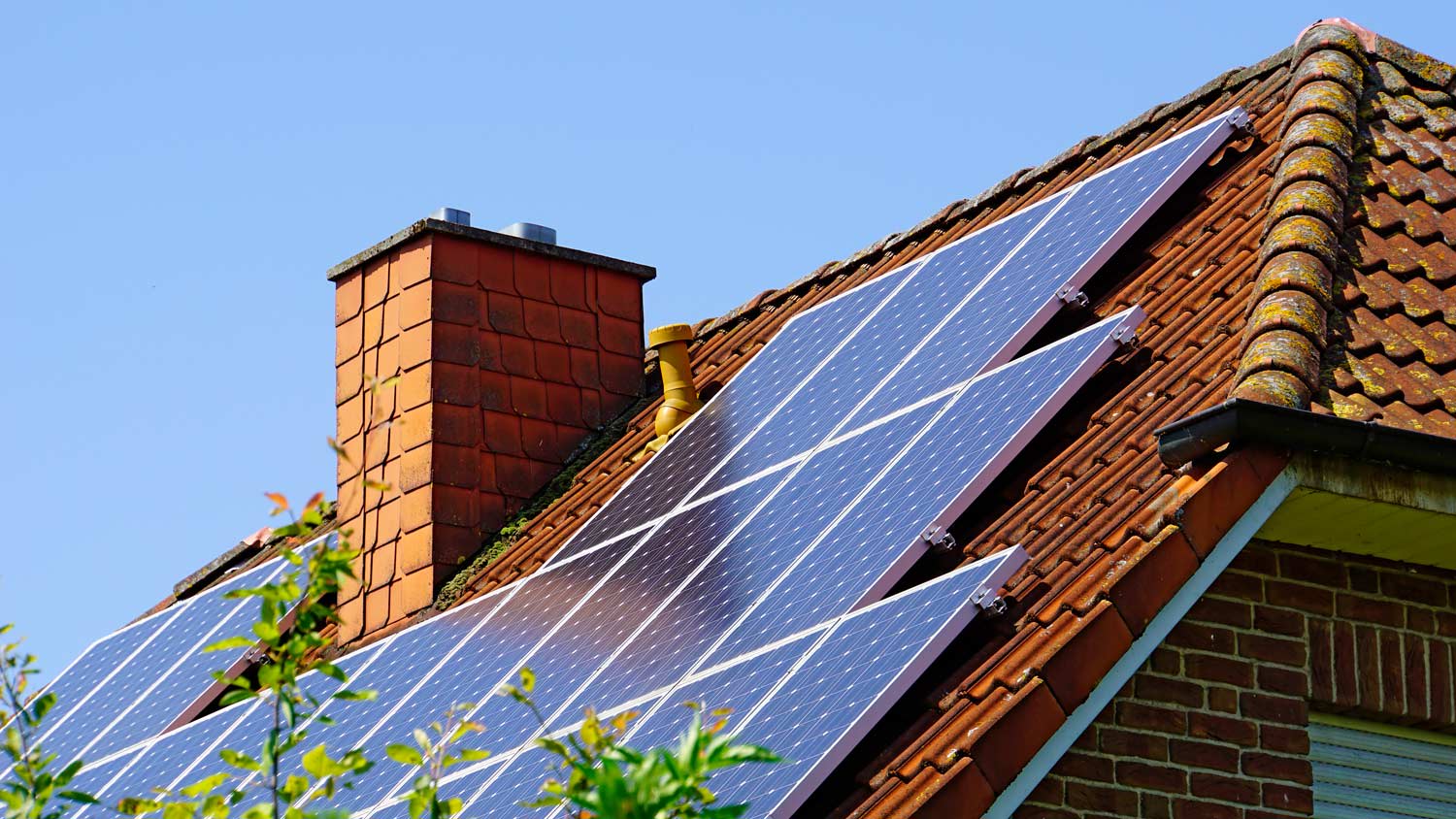
Solar panels are made up of tiny squares called cells that convert sunlight into electricity. The more cells, the higher the wattage. Most homes use 60-cell panels that are roughly 65-by-39 inches. Depending on the brand you buy, you’ll find a couple of inches of variation on either dimension.
For 60-cell panels, the cells are arranged in a 6-by-10-cell grid. Most homes use anywhere from 15 to 34 solar panels, each emitting 250 to 350 watts of electricity per hour in ideal conditions. The output does depend on the efficiency of the solar panel.
Though 60-cell panels are the standard for residential properties, other options may work better in certain scenarios. For example, you can choose a smaller, portable panel for an RV or as an emergency backup. A larger solar panel can help reduce the chance of energy loss in areas with lower light.
If you’re unsure how to proceed, a solar panel installer can help you design the right solar panel system for your home. Here are some average solar panel dimensions based on the type of panel.
| Type (Number of Cells) | Average Dimensions (Inches) | Average Square Footage |
|---|---|---|
| 40 | 60x24x1 | 10 |
| 60 | 65x39x1 | 18 |
| 72 | 80x40x1.5 | 22 |
| 96 | 62x41x1.6 | 18 |
| 120 | 65x39x1 | 18 |
| 144 | 80x40x1.5 | 22 |
40-cell panels are smaller than the standard solar panel, producing an average of 200 to 240 watts of electricity per hour. These portable systems are primarily used for camping, fishing, and RVs or as backups during power outages. The average portable system measures 60-by-24 inches with a depth of around 1 inch.
60-cell solar panel dimensions are around 65-by-39 inches. Depths range anywhere from a fraction of an inch to 1 1/2 inches. Most residential installations use this size solar panel, which produces an average of 250 to 350 watts of electricity.
72-cell solar panels measure about 80-by-40 inches with a depth of 1 1/2 inches. This option is popular for homeowners requiring a larger output or wanting to improve efficiency and for homes without space constraints. They produce an average of 350 to 400 watts of electricity.
96-cell solar panel dimensions are around 62-by-41 inches with a depth of around 1 3/5 inch. These solar panels consist of a 7-by-12-cell grid. They’re growing in use because they help reduce power loss by increasing voltage. These panels have an output of 450 to 500 watts.
Half-cut solar panels fit twice the number of solar cells in the same amount of space as a standard solar panel. You’ll find 120- or 144-cell panels with similar dimensions to standard 60- and 72-cell panels. These tend to be the most efficient option, so you’ll need fewer panels in your system.

A number of factors influence not only the dimensions of each individual solar panel but also the size of your entire solar power system. It’s a delicate balance of efficiency, sunlight, and your home’s energy requirements.
According to a 2022 report from the U.S. Energy Information Administration (EIA), the average home uses 899 kilowatt-hours (kWh) per month (or around 30 kWh per day). You’ll need to make sure your system can handle your daily energy needs. For higher-than-average energy use, you can install a larger system.
Solar panels don’t need direct sunlight to work, but shade does impact their efficiency. You’ll see a lower output in areas obstructed by shade (whether it's from a tree or nearby building) and almost no output at night. For this reason, most people install solar panels on their roofs where they can soak up the most sun possible.
If you have a particularly shady yard, you might need larger panels or more panels to achieve the energy you need.
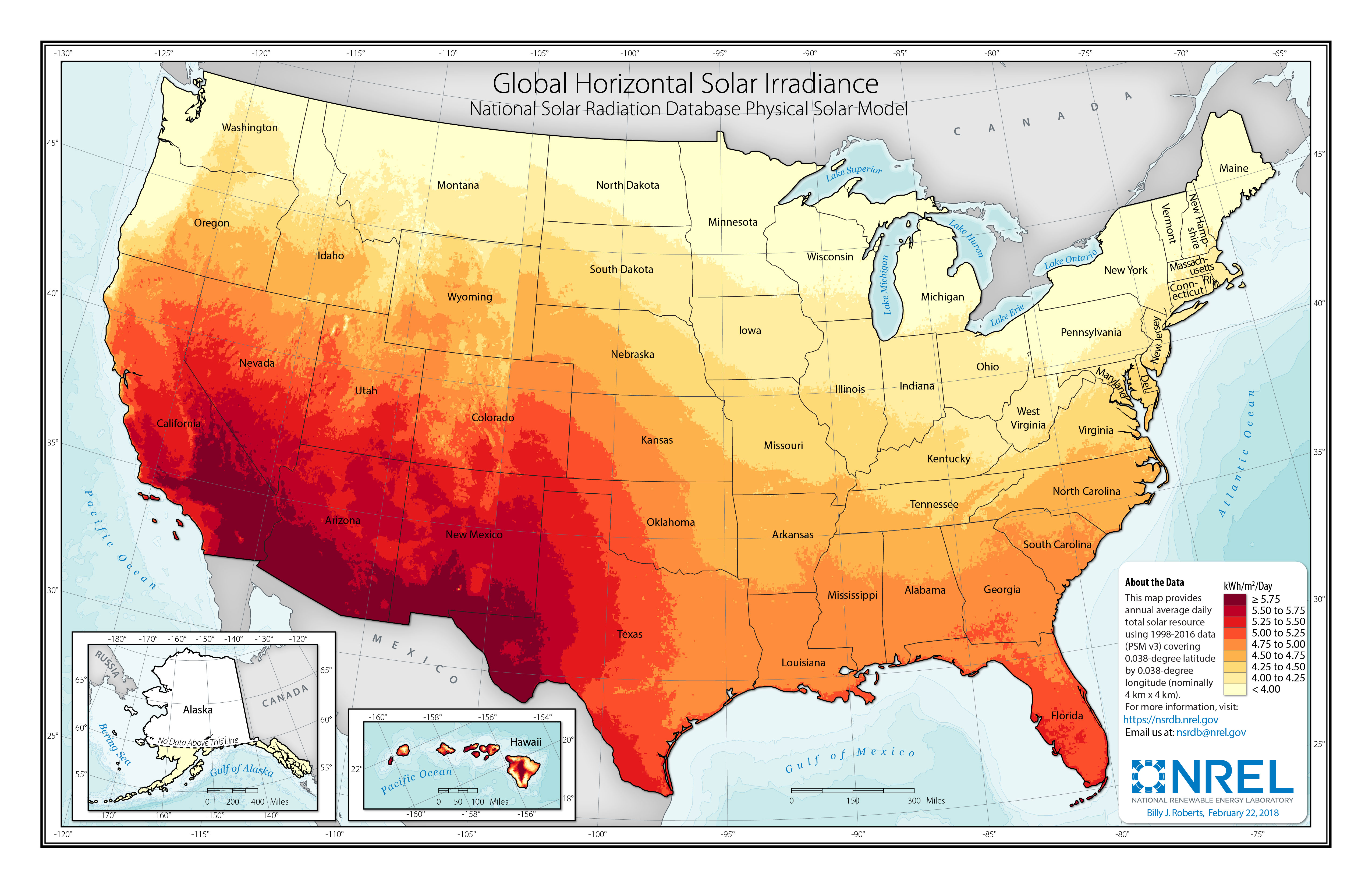
The more sunlight, the fewer panels you’ll need. This can vary dramatically from location to location—and we’re not just talking about the direct exposure in your yard. Areas closer to the equator experience more sunlight than those further from the equator, and it changes seasonally.
For example, Arizona is one of the sunniest states with an average of 10 hours of sunlight on the shortest day of the year. Meanwhile, the darkest areas of Alaska don’t get any sunlight during a large portion of the winter.
The composition of your solar panel doesn’t impact the dimensions of the panel, but it will impact the overall weight of the system and how many panels you’ll need. All solar panels are made from silicon crystals, but the composition varies between types.
You can choose monocrystalline or polycrystalline solar panels. Monocrystalline solar cells are made from a single silicon crystal. They’re more efficient and perform better in low-light situations. Polycrystalline panels are made from multiple crystals. They’re more affordable, but you’ll need more of them to power your home.
The energy efficiency of each panel impacts the overall size of your system. Larger panels can be more efficient because they capture more sunlight, but certain half-cut models fit more solar cells in a compact space. The higher the energy efficiency, the fewer panels you’ll need.
You’ll need to consider your budget before choosing a solar panel. The standard 60-cell panel is often the most budget-friendly, but you might need larger solar panels in certain circumstances. Larger panels have a higher energy output because they capture more light, but they cost more up front because they’re heavier and difficult to install.
Keep in mind that many states have government programs that help offset the cost of solar panel installation.

There are several considerations when choosing both the size of your solar panels and how many solar panels to use in your system. It’s not a simple DIY—even if you get the numbers right. You’ll still need to install the panels correctly, which requires electrical work and climbing on your roof. At best, you could potentially void your solar panel warranty. At worst, you could injure yourself or others.
Instead, hire a solar panel installer near you with the expertise to plan and complete the job effectively. If you want to estimate the size of your system before your contractor starts the job, follow these steps:
Look at your electric bill: Check out your monthly energy bill to find the number of kWh you use. You can spring for a home energy audit to see if there’s anywhere you could improve.
Calculate daily energy usage: Once you have your monthly usage, divide that number by 30 to estimate your daily energy usage.
Find the daily amount of sunshine: Next, calculate the number of peak hours of sunshine you get per day. You can use this chart from the National Renewable Energy Laboratory (NREL) to help estimate, but it depends on where you live and the season.
Determine the energy production required: Divide your daily energy usage by the number of hours of sunlight per day. For example, if you use 30 kWh per day and have 5 hours of sunlight, you’ll need enough panels to produce 6 kW per hour.
Estimate solar panel output: To find the right number of panels, you’ll need to know the number of kilowatts each panel can produce in ideal conditions. Most residential panels produce between 250 to 400 watts. You can convert this number to kilowatts by dividing it by 1,000. For example, a 350-watt solar panel would produce 0.35 kW.
Calculate the number of panels required for your system: Divide the energy production required (the number you got in step four) by the solar panel output (the figure from the previous step). This is the total number of panels you’ll need in your system. For example, if you need 6 kW per hour of sunlight and your panels produce 0.35 kW, then you’ll need 17.14 panels. You can round up to 18 panels or purchase larger wattage panels with a higher output to make up the difference.
This figure is just an estimate, and there are other factors that impact the amount of energy required. A pro will factor in the climate, shade that could obstruct the panels, and how sunshine and your energy requirements can change from season to season. They’ll be able to tell which type of system and which panel size and number of panels will suit your home best.
If you’re good people wanting to do business with good people, hire Matt. He is a consummate professional and utterly competent. He installed a water heater in my home at a price that beat competitors by hundreds of dollars with a promise to support the unit for its life (even after its 6 yr...
 Greene's Plumbing Services
1 tree was cut down and 5 others including a large willow tree were trimmed. The Grant Tree Service men were professional and cleaned up afterwards. The cost of the 6 trees were affordable. I am very happy with the results. I would hire them again.
 Grants Tree Service
As usual with ECO, tech Jordan was outstanding, very professional, very knowledgeable, and very thorough with repairs made to tankless water heaters. Very highly recommend ECO!!!
 Eco Plumbers, Electricians, and HVAC Technicians
I conferred with 2 other contractors before Armstrong Electric. Nick and his crew showed me that the project was not as convoluted as the other contractors made it appear to be. They completed the entire project on time. They were professional, friendly and cleaned up after at completion. I...
 Armstrong Electric LLC
Window Depot did an amazing job on my deck. I wasnt sure what I wanted to do, but their composite decking was affordable and will last a long time. I am excited to have family over, and I am no longer embarrassed by my backyard. Jeff and the ground crew were polite, respectful, and caring for...
 Window Depot USA of Central Ohio
The techs on my project, Shawn and Cliff, were great. They were prompt, courteous, and efficient. I am very happy with the results and would definitely contact Mr. Electric for any future electrical projects.
 Mr. Electric of Columbus
Wonderful. I am going to have them remove and replace my driveway in the spring.
 All Star Paving and Sealing
Look forward to them getting started in our basement here soon. Extremely professional, very detailed and was a pleasure to have around. Anything we needed to work on or change in the middle of the project, they were open and willing to work with me.
 Jones & Sons Construction LLC
Manuel Calvillo is the best option in the area for roofing and you won't be disappointed.
There were some unsatisfactory issues with the product quality, no fault of Panel Town. They were handled quickly and professionally and in the end, exceeded my expectations. I believe that is a measure of a quality merchant. <br />
From average costs to expert advice, get all the answers you need to get your job done.
Discover the average solar panel installation cost, key price factors, and expert tips to help you budget for your solar project.
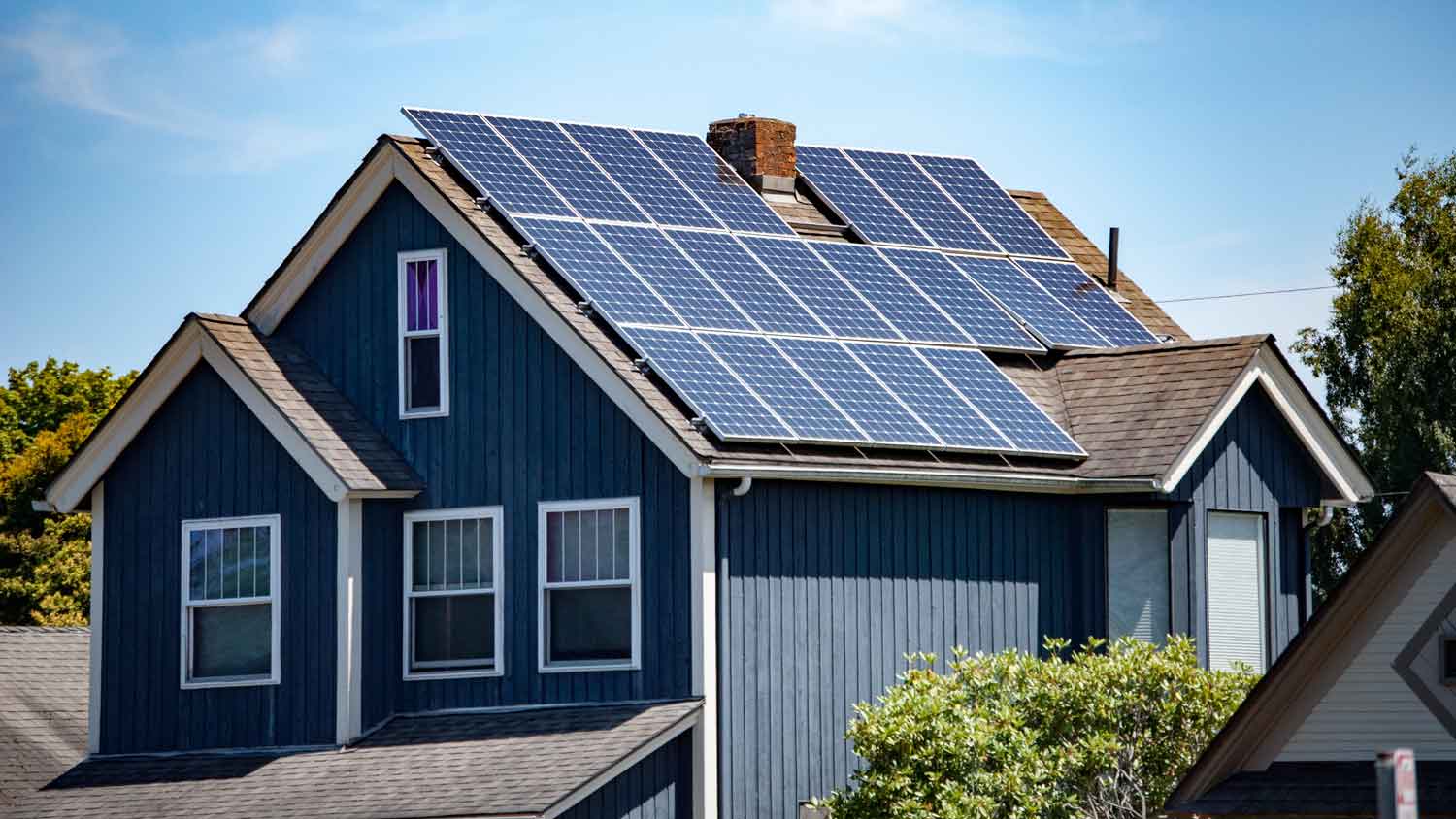
Discover solar panel maintenance costs, including average prices, cost factors, and tips to save, empowering you to keep your solar system running efficiently.

Find out how much it costs to remove solar panels, including average prices, key cost factors, and tips to save money on your solar panel removal project.

When calculating the size of your solar upgrade, you're likely asking yourself, “How many solar panels do I need?” Let's do some math.
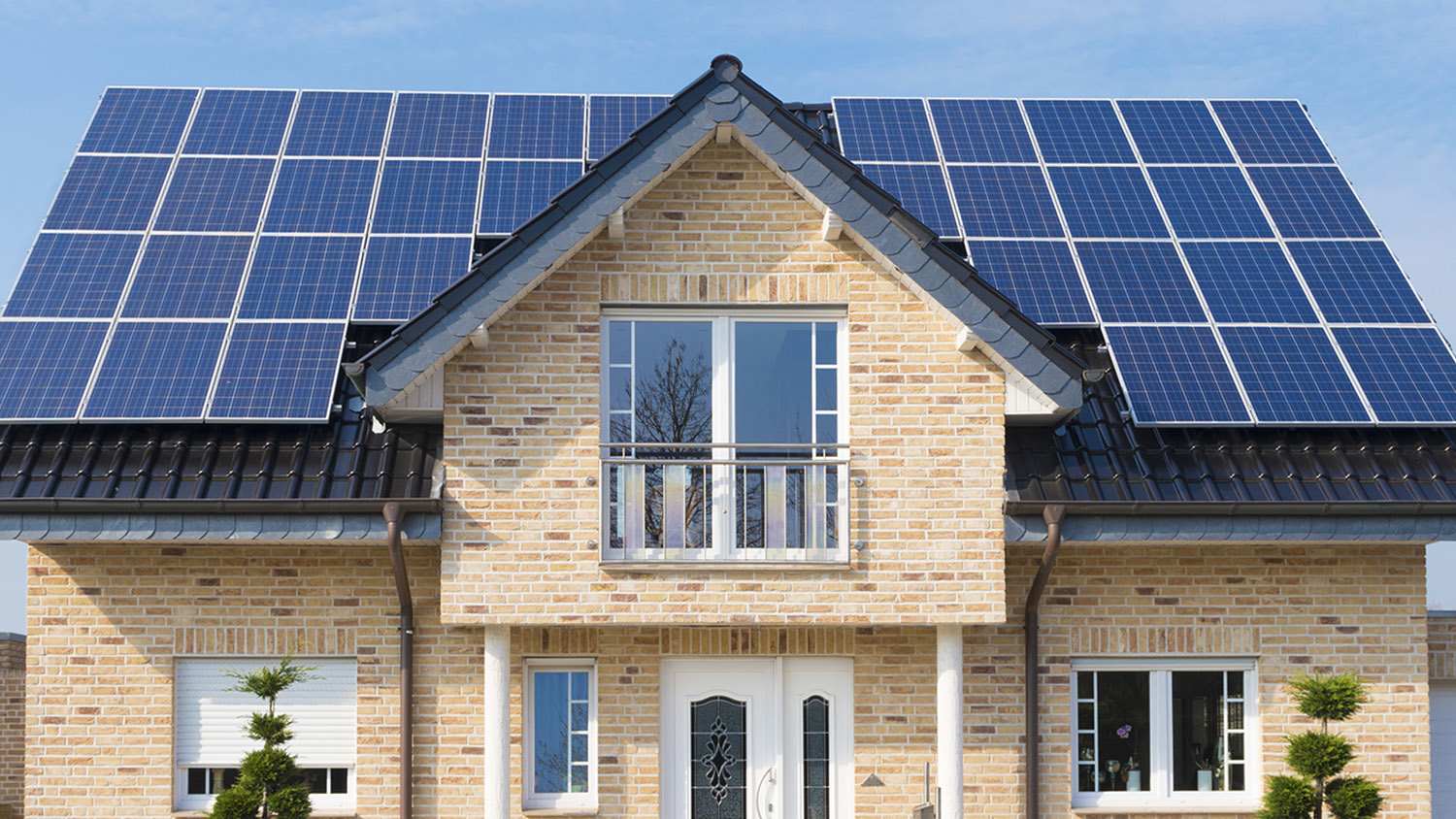
There are three types of solar panels: monocrystalline, polycrystalline, and thin-film. Before choosing one for your home, here are the pros and cons of each.

Avoid underpowered solar batteries and wasted money. From daily energy use to depth of discharge, this guide explains how to size a battery for solar panels.