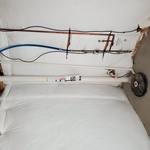
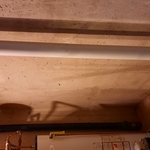
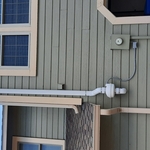
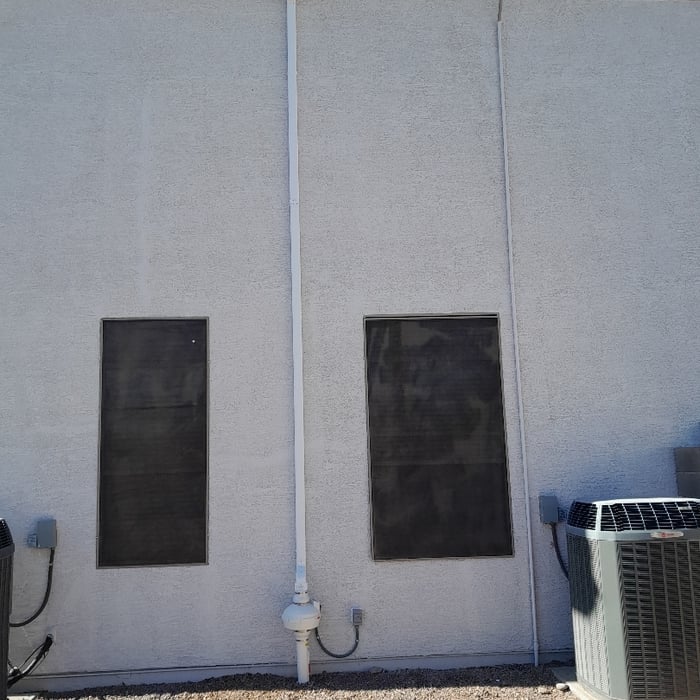
"A potential buyer for a house I was selling had a Radon Test done. It scored a 13.7! Affordable Radon came out and gave me a bid for two systems, one for each side of the house. 3 weeks later the score is 1.1! They did a great job and got rid of the radon from beneath the slab!"
121 PRO, is committed to excellence every aspect of our business. We uphold a standard of integrity bound by fairness, honesty, and personal responsibility. Our distinction is the quality of service we bring to our customers. Accurate knowledge of our trade combined with ability is what makes us true professionals. Above all, we are watchful of our customers' interests, and make their concerns the basis of our business.
Quality Detailed Analysis Reporting Reasonable Prices Fast Turnaround.\n\nIndoor Air Quality Testing, LLC tests for indoor air quality. Toxic molds in a home or commercial property can directly affect the quality of the air you breathe. We conduct Mold Investigations, Mold Testing and Reporting on all manner of Indoor Air Quality issues, including, but not limited to, residential, commercial, and real estate pre-purchase inspections for buyers and sellers. We provide post-remediation final clearance testing. All samples are tested by an EMLAP Certified Laboratory. All analytical data is interpreted, compiled and delivered in a graphically illustrated, bound report to quantify the degree, or absence of, potential indoor bio-burden conditions.\n\nWe will respond to all inquiries as soon as possible.\n\nSample data turn around time is quick.\n\nQuality, bound, detailed analysis in each report.\n\nIf you're looking for a top quality, professional testing firm at a reasonable price, Indoor Air Quality Testing, LLC is the company for you!
"Ask for Austin Baker. Austin returned my call within minutes, began testing in my house two hours later, and I had my laboratory certified test results 36 hours later. Austin is thorough, professional, knowledgeable, and affordable. Definitely five stars all around!"
Radon Detection and Reduction questions, answered by experts
The average radon mitigation system uses about 876 kWh of electricity per year, although the exact amount of electricity used will vary depending on the size of the radon fan. Once the system is installed, the annual increase to your energy bill could range from $30 to $300 per year, again depending on the size of the fan.
Your radon fan needs to operate 24/7 to be effective. The only time the fan isn't operating is during its replacement. Radon levels in the home can increase within hours if the fan stops working or something obstructs the stack vent. Fortunately, radon systems require no downtime maintenance between fan changes.
Testing every 2-5 years or upon adjusting occupancy or structural changes maintains safe environments.
You can vent radon out of your house sometimes by simply opening a window, but it won’t remove the source, and will likely rise above recommended levels quickly. A professional will be needed to assess your home, and determine the best strategy for radon removal. Active radon sump pumps and soil depressurization systems are often used to forcefully vent the radon from your home.
No, radon mitigation systems do not decrease home value or make a home harder to sell. In areas where homes experience similar radon exposure risks, a radon mitigation system is viewed as an improvement. Potential homebuyers often opt to buy a home with a radon mitigation system already installed to reduce the risk of cancer for their families.
The Leupp, AZ homeowners’ guide to radon detection and reduction services
From average costs to expert advice, get all the answers you need to get your job done.
Get clear answers on how much radon remediation costs, including average prices, key cost factors, and tips to save money on your home’s radon mitigation.
Find out what impacts radon testing costs, including average prices for DIY kits and professional services, so you can protect your home and budget confidently.
Radon is a gas that you can't see or smell and is harmful to your health. If your home has radon, you need to know who installs radon mitigation systems.
Knowing how to test for radon will keep your home free and safe from this odorless gas—you just have to decide whether to do it yourself or hire a pro.