AZROC#335330\nI am askilled tradesman who works as a team of one providing quality custom finishing touches to the homes of my customers in Mohave County for 15 years. My passion is to exceed my customers expectations by making their design vision become a reality. It is my mission to provide excellent workmanship and complete customer satisfaction from start to completion of a project. In order to understand the needs and expectations of my customers, I take my time to communicate with every customer in a professional manner. My reputation is based on service, safety, and quality, regardless of how large or small the job.
We pride our company on reliability, great communication, integrity, and quality work. We are experts in our trade and will do our best to keep you as educated as we can on your particular task or project. We look forward to earning your business!
Cyclone General Contractor of AZ , we are here to take care of any of your fencing needs! Help us custom build your gate or fence! We can also help with fencing and gate repairs. Call today to see why we come so highly recommended!
I have over 17 years experience in the construction and that escaping world. I’ve dedicated my life from working hard and following through my projects very reliable. I will always finish my projects leaving my customers happy .
Look for flaking paint or air bubbles that burst and then flake away. Paint will begin to flake after being exposed to minimal moisture or water, so it’s a good indicator of any water damage. If you notice your paint starting to flake, feel the plaster underneath to see if it is soft or damp.
The short answer is yes, a sagging plaster ceiling is dangerous. Sagging plaster on a wall is something you should fix immediately, but it isn’t a major concern. If the same type of sagging occurs on a ceiling, however, you could be in danger of your ceiling falling in large chunks. When plaster sags, it loses its strength and ability to hold itself up. The bonds that hold it together are strong, though, so if a sagging area falls, it will take large pieces down with it.
You can put certain types of plaster over other types, but doing so isn't always the best idea. For example, putting a coat of gypsum over lime plaster is possible, but doing so will limit the lime plaster's breathability and potentially affect its performance.
Since cement plaster tends to leave a textured surface, no matter how much you smooth it, some people prefer to use gypsum plaster as a topcoat over cement plaster, creating a smoother surface.
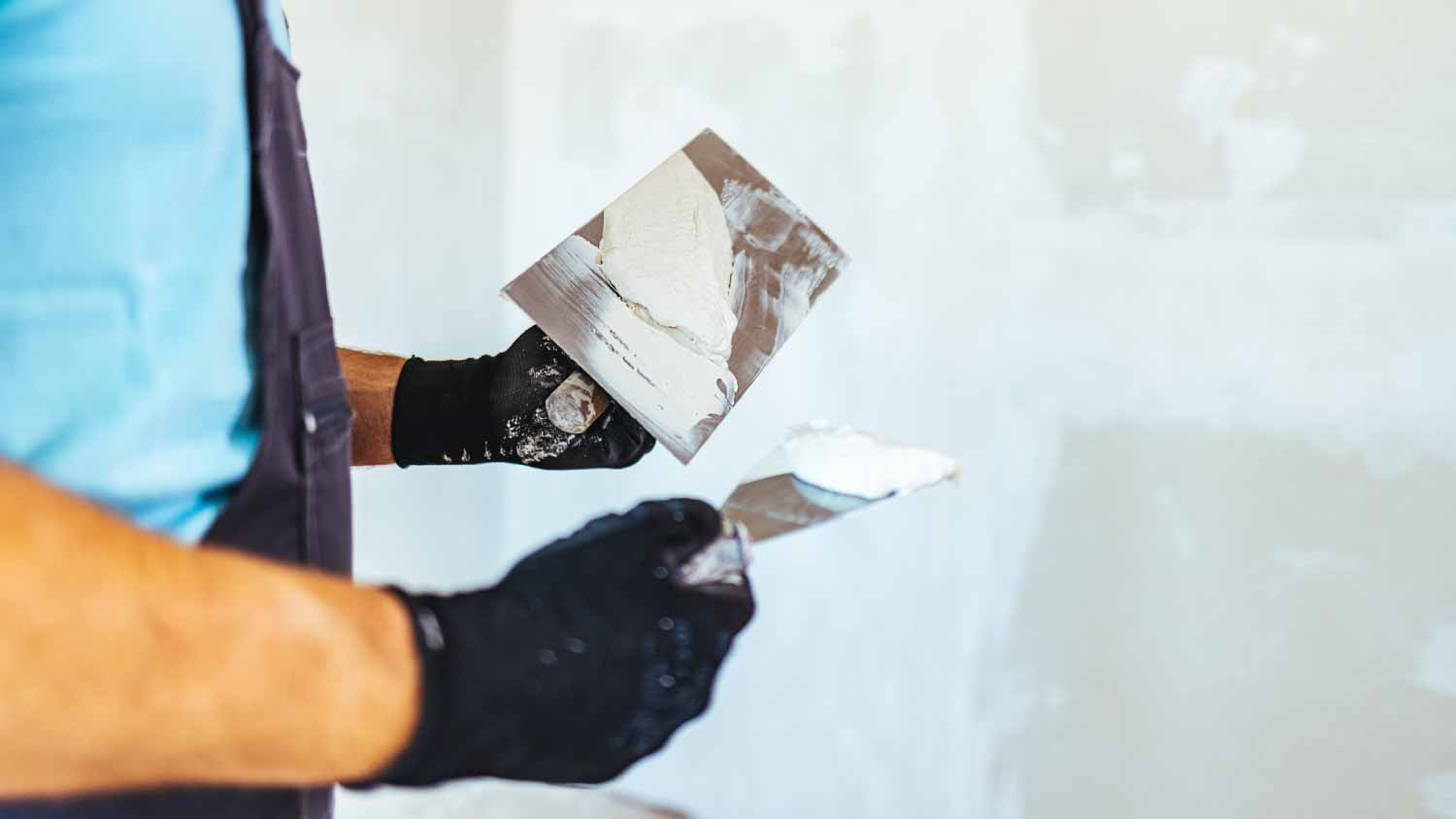
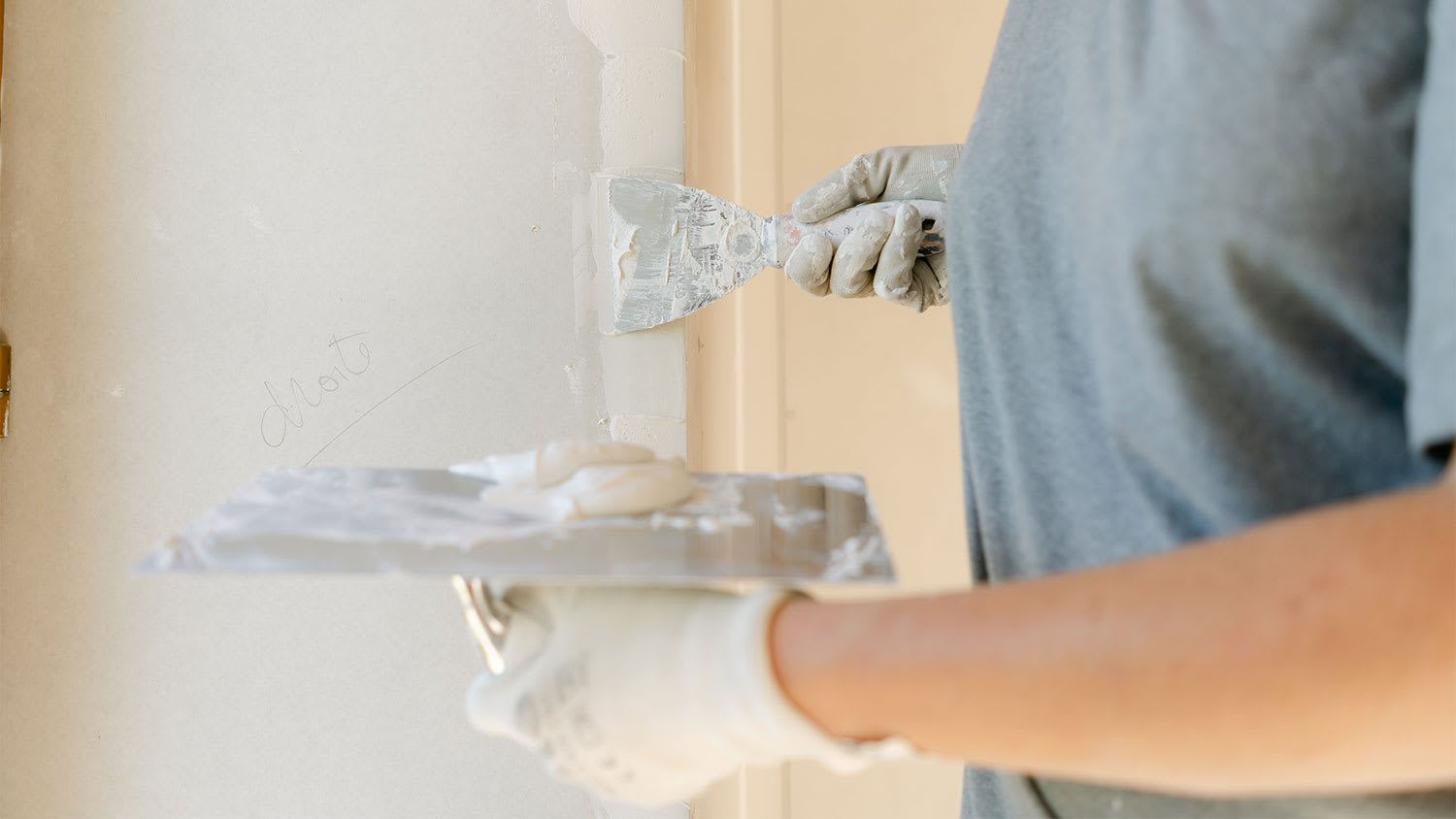
Yes, you can use drywall repair techniques for some types of plaster damage. Tiny holes and small cracks in plaster can be patched in similar ways to drywall. You apply the necessary compound to fill the hole, wait for it to dry, then sand it down. For larger damage, like water damage or mold, you need to use plaster-specific techniques and materials.
Plaster is a pretty tough surface, but it can still sustain damage from things like bumping against it, water issues, dampness, extreme humidity changes, and plain old age. Most plaster walls last hundreds of years and will only be taken down to the base layer when major repairs are required. Being cautious around the wall, not placing furniture against it, and ensuring stable humidity are all great ways to reduce possible damage.
The Hackberry, AZ homeowners’ guide to plaster repairs
From average costs to expert advice, get all the answers you need to get your job done.
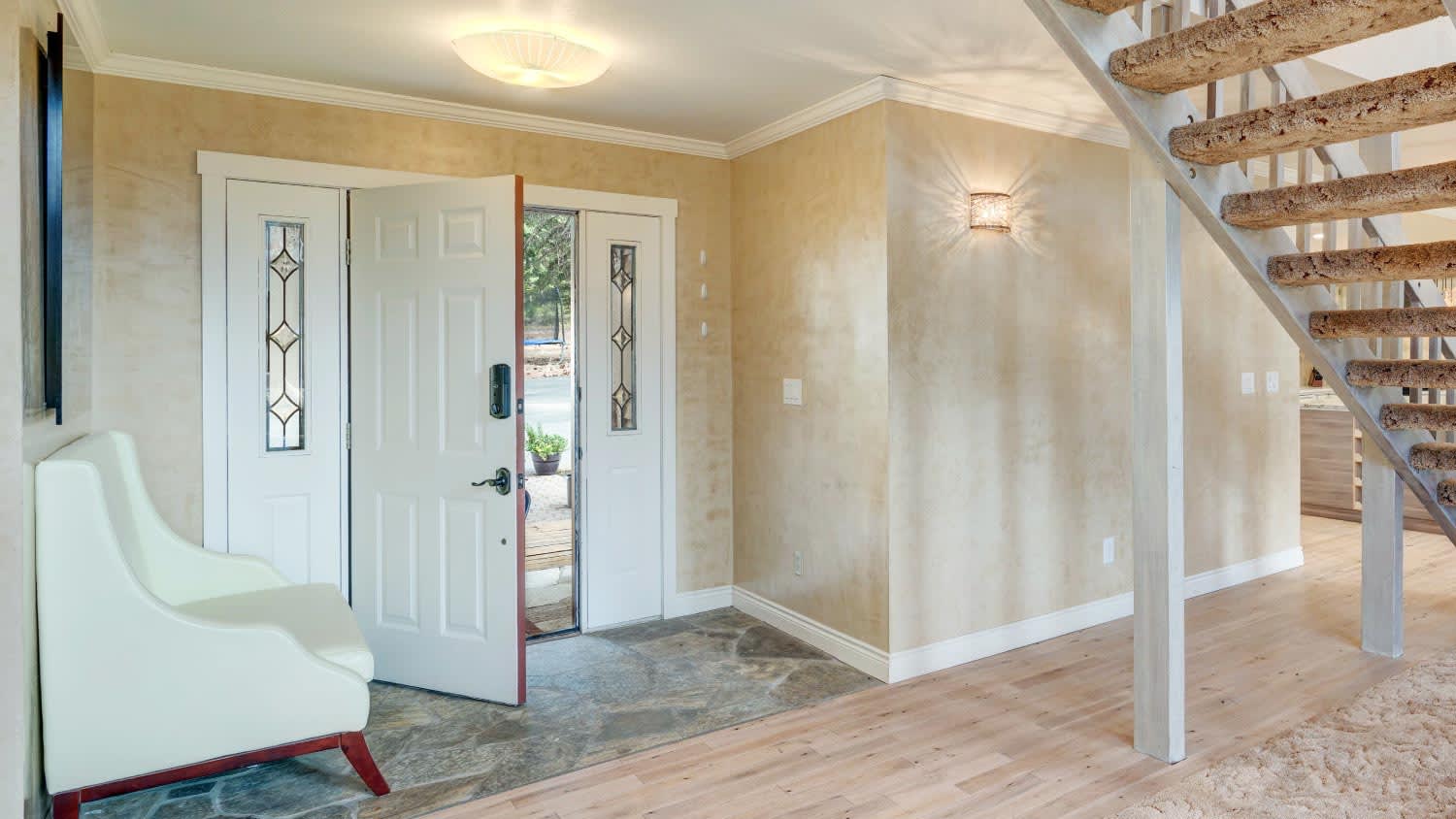
Venetian plaster can add depth and texture to your aesthetic. Learn how much Venetian plaster costs based on factors like square footage and whether you hire a pro to help.
You can find plaster walls in a lot of older homes. What’s behind these walls—whether that’s lath or calcimine—can have an impact on how long they last. Finding out the age of your house can help you determine what you’re dealing with.