Top-rated generator install pros.

Best generator install pros near Fort Mcdowell, AZ

Enter your zip and get matched with up to 5 pros

Need a pro for your generator install project in Fort Mcdowell, AZ?

Select your specific project to find the pro for you.

Top-Rated Generator install pros in Fort Mcdowell - Updated Nov 2026

Avatar for Arizona Backup Power
Arizona Backup Power
5.0(
62
)
Fixed Generator - InstallGenerator - Install - For Business

Serving Fort Mcdowell, AZ and surrounding areas

Approved

In business since 2015

Free estimates

Warranties offered

"There's a certain comfort knowing you're prepared, and thanks to Arizona Backup Power Company, I have that. The generator they installed works like a charm. Reliable service, awesome team and affordable prices."
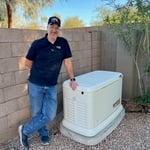
Generac 24kw Standby Generator
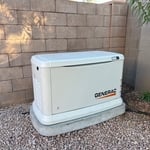
Generac 24kW backup power
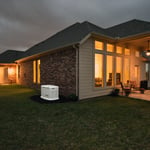
Generac home backup power generator
Standby Generators
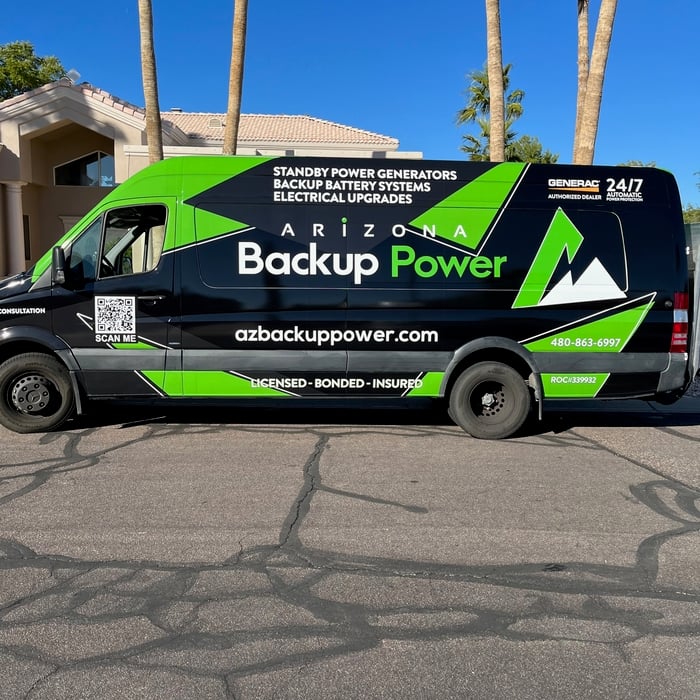
Arizona Backup Power Trucks

+15

Response time1 day
Response rate97%
1 neighbors recently requested a quote
Avatar for Andrew's Electrical, Inc.
Andrew's Electrical, Inc.
4.8(
26
)
Generator - Install - For Business

Serving Fort Mcdowell, AZ and surrounding areas

Approved

In business since 2014

Free estimates

Emergency services offered

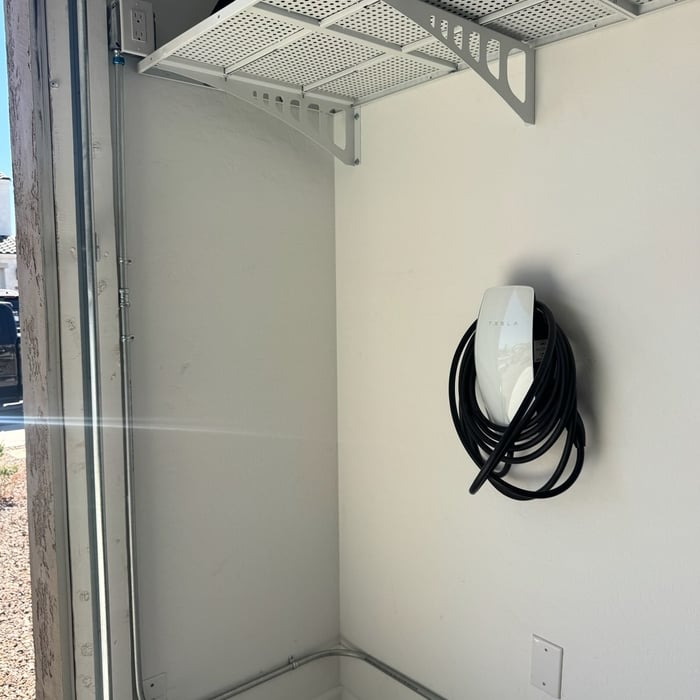
"David quoted us a great price for the install. Dustin came out a few days later and did a great looking install and even mounted my charging unit on the wall for us. I recommend Andrew's Electrical."
Response time1 day
Response rate98%
Recommended by96%of homeowners
David
New to Angi
Portable Generator - Repair

Serving Fort Mcdowell, AZ and surrounding areas

Approved

If you’re looking for high-quality, reliable electrical work, I’d love to put in a bid for your project. Having gone through an accredited electrical apprenticeship, I take pride in doing things safely, cleanly, and strictly to code. I have extensive hands-on experience with everything from precise conduit fabrication and clean panel terminations to heavy-duty installations.\n​Whether you need new ceiling fans or light fixtures installed, a dedicated circuit pulled for an electric car charger, or underground direct burial work for outdoor power, I do the math and get it done right the first time. Feel free to reach out to discuss what you need done and get a fair, honest quote!

...
Showing 1-10 of 76
Generator Install FAQs, answered by experts

To determine the right size generator for your house, you should calculate the total wattage of the appliances and devices you want to power during an outage. List all essential items, note their start-up wattages, and add them together.

Here are some typical wattage requirements for common appliances:

  • Refrigerator: 600 watts

  • Large dehumidifier: 700 watts

  • Large window air conditioner: 1,400 watts

  • Water heater: 3,000 to 4,500 watts

  • Electric furnace: 5,000 to 25,000 watts

A 7,500-watt generator might be sufficient for essentials like a refrigerator, freezer, well pump, and lighting circuits. However, for high-demand items like a water heater or furnace, a whole-home generator is a better choice. A portable generator may be enough if you only need to power a few critical items.

While home square footage can offer a rough estimate, it is not always a reliable indicator. For reference, here are some typical generator sizes based on square footage:

  • 1,000 sq ft: 6–9 kW

  • 1,500 sq ft: 7–10 kW

  • 2,000 sq ft: 10–14 kW

  • 2,500 sq ft: 12–16 kW

  • 3,000 sq ft: 16–20 kW+

For the most accurate sizing, consult a professional who can calculate your home's peak and average power consumption and recommend the optimal generator.

Yes, in most municipalities, you will need a permit to install a permanent home generator, including emergency backup, partial-home, and whole-home models. Because these installations involve significant alterations to your home's electrical system and produce exhaust fumes, local governments often require a permit or inspection for safety purposes. A generator permit typically costs between $50 and $250, depending on your location. Your electrician or certified installer can usually handle the permitting process for you, but you will be responsible for the cost. It's a good practice to confirm with your installer that they will pull all necessary permits before work begins.

It might seem counterintuitive, but installing a generator transfer switch will save you money in the long run. While you’ll have to pay between $400 and $2,500 to have the transfer switch installed, you’ll recoup that amount later on when you don’t have to pay for expensive repairs to your appliances, devices, and electrical system that may have burned out, overloaded, or stopped working due to a sudden loss of power or an incorrect hook up of a generator to your home. 

The cost to install a whole-house generator averages $5,200, with a typical price range of $1,500 to $8,900. However, total costs can vary from $400 for a small portable unit to over $18,000 for a large-capacity system. The most significant cost factor is the generator's size and capacity, but other variables include the brand, fuel type, and labor for assembly and installation.

Generator costs can be broken down by type:

  • Portable or Emergency Backup Generators (1kW–7.5kW): $500 to $2,000

  • Partial-Home Generators (9kW–20kW): $2,000 to $6,500

  • Whole-House Generators (22kW–48kW): $5,000 to $18,000

To avoid paying for more power than you need, consider hiring an electrician to calculate the electrical load for your essential appliances. It is also recommended to get at least three quotes to find the best deal for your specific needs and budget.

No, you should never plug a generator directly into a wall outlet in your house. This practice is extremely dangerous, often illegal, and can cause "back-feeding," where power from the generator flows back into utility lines, creating a life-threatening hazard for utility workers. It can also damage your home's electrical system, including appliances like pumps and HVAC fans. If the main power is restored while the generator is connected, it can destroy the generator and cause an electrical fire. To safely connect a generator, you must use a professionally installed transfer switch or an interlocking kit, which prevents back-feeding by disconnecting your home from the utility grid before the generator provides power.

The Fort Mcdowell, AZ homeowners’ guide to generator installs

From average costs to expert advice, get all the answers you need to get your job done.