"Gauge is a Representative who puts his Clients first. He reminds me, of a younger me. (This says a lot, because I was always a top notch Sales Rep and I retired early, as a result of my personal efforts and how I always did, as I said, and placed my Clients as top priority). I have yet to begin my project, but he won over my business and I?m excited to see the results. I?m confident they will exceed my expectations."
"Hector was very professional in providing estimates and answering question during during the survey. I would recommend him to others that might be considering similar services."
"I hired Dalinghaus Construction to install two push Piers for a freestanding column/wall (bad clay soil causing movement). I meet with Kevin to go over the scope of work and he explained everything in detail. The price was the best I can find. Took one extra day to finish the work, but they did not charge me any additional fees. 3 month later, I had a feeling that the column/wall is moving again and call Kevin. He show up in a few days and show me there is no way that wall is still moving and he was right. They are very good at what they do and customer service is the best. Thank you very much."
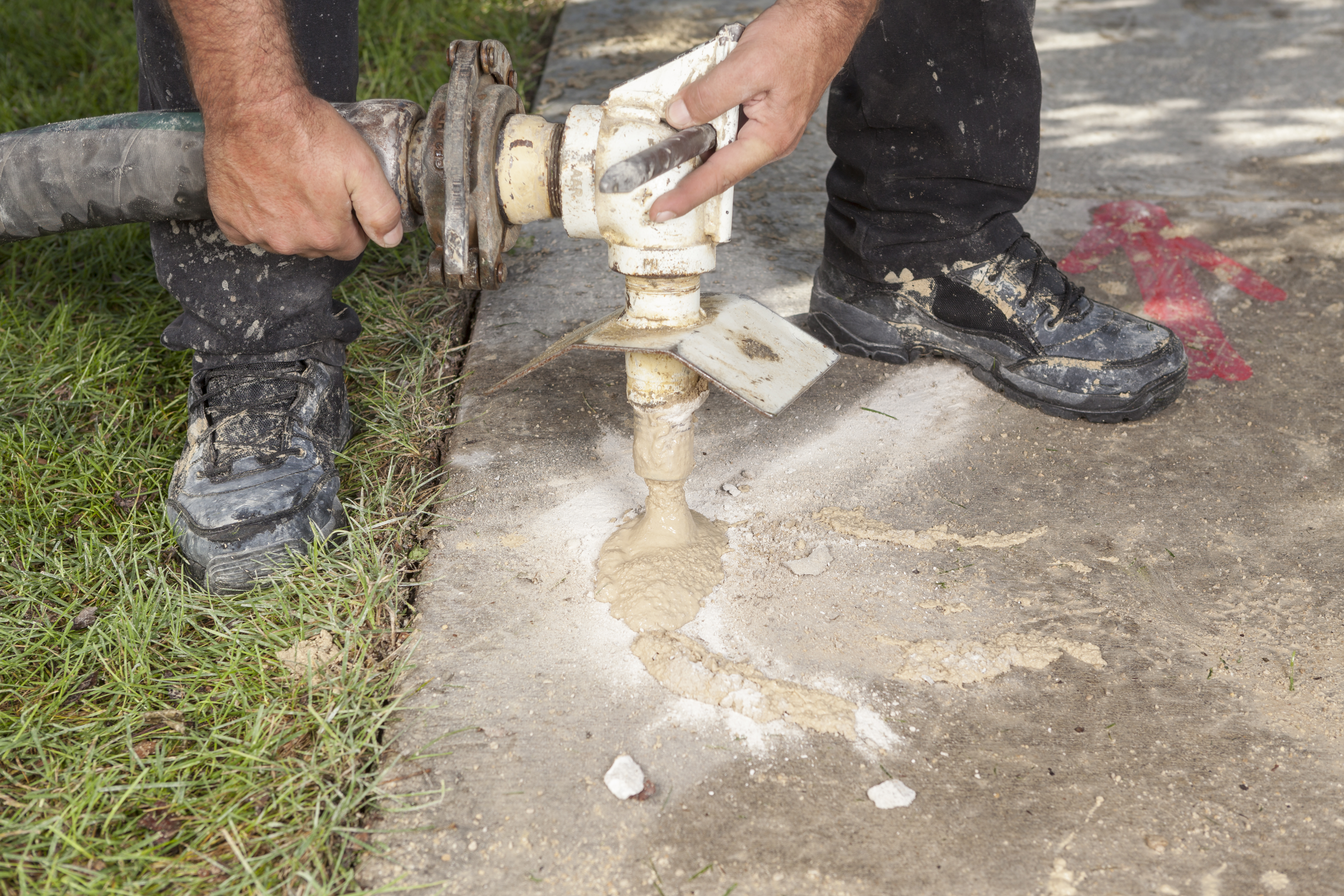
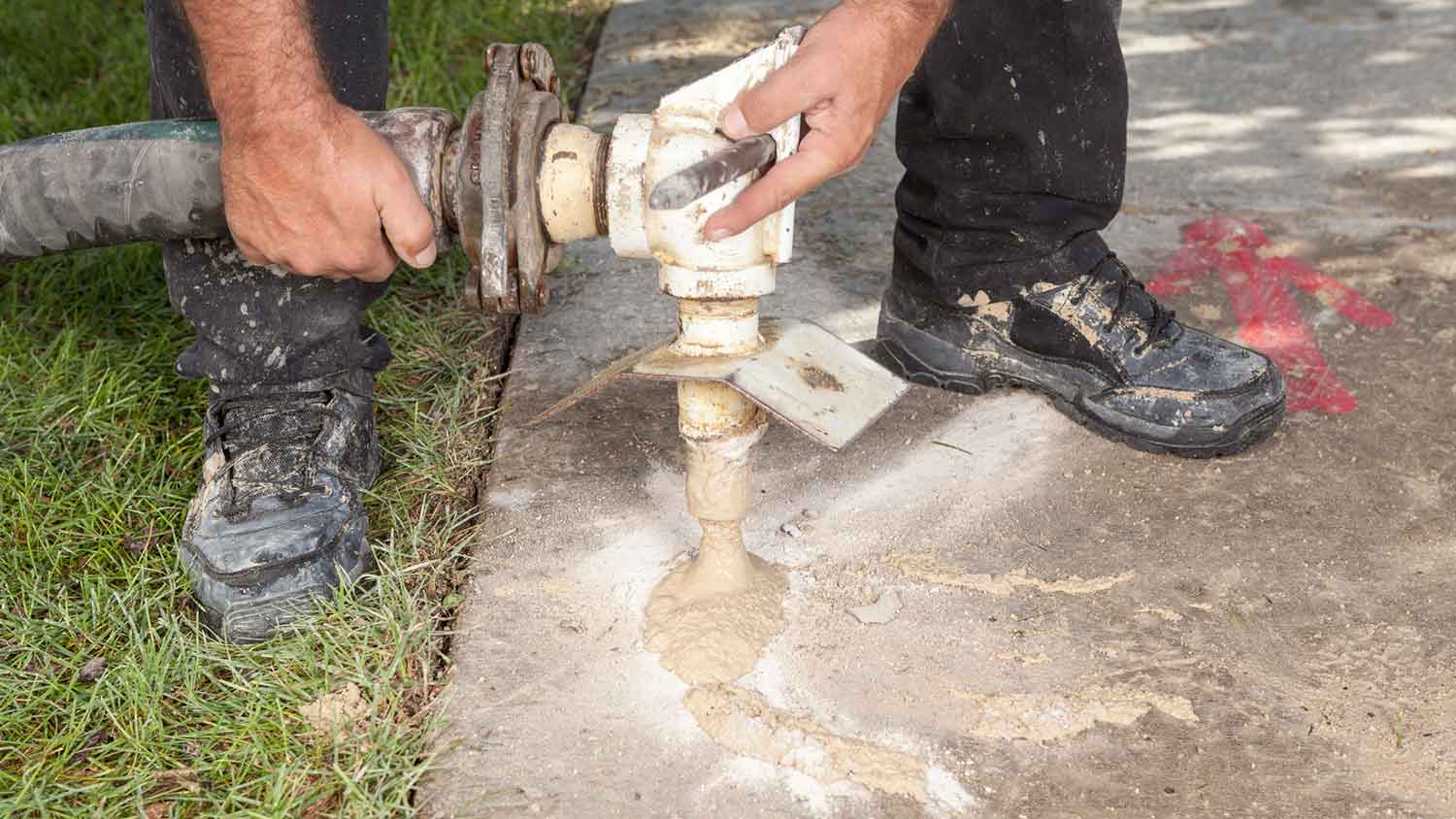
Mudjacking restores level surfaces, prevents further damage, and is more cost-effective than a full replacement.
Mudjacking typically takes 24 to 72 hours (one to three days) to dry and cure completely before you can resume normal use. The total drying time can vary depending on the size of the project. Because the slurry mixture contains cement, it needs to harden fully to prevent the concrete slab from shifting under added weight. You should avoid walking on the concrete or placing heavy items like furniture or vehicles on the surface until it has fully set. Your concrete contractor can provide a precise timeline. As a point of comparison, if you opt for polyjacking, the polyurethane foam can dry in minutes, but it's recommended to wait about an hour before use.
Mudjacking typically takes 24 to 72 hours (one to three days) to dry and cure completely before you can resume normal use. The exact time can vary depending on the size of the project. Because the slurry mixture contains cement, it must fully harden to ensure that added weight from walking, furniture, or vehicles won't shift the concrete slab. A professional contractor can advise you on when the surface is safe to use. For comparison, if you use polyjacking instead, the polyurethane foam can dry in just a few minutes, but it's best to wait about an hour before use.
There is no real alternative to underpinning, although mudjacking and polyjacking are other repair methods that can add support from underneath your foundation. Rather than placing supportive piers under your structure, these involve pumping a material under your slab to lift a sunken section back into its original position. Polyjacking, in particular, is sometimes a suitable solution for stabilization issues under slab foundations, but underpinning is often accepted as the best and most permanent solution.
A good slump height really depends on the project, but there is a use for nearly all slump levels. For example, low slumps are best in projects that require structure, such as curbs and roads. High slumps often require additional reinforcement, but they flow more freely into hard-to-reach spaces.
The Dilkon, AZ homeowners’ guide to concrete leveling services
From average costs to expert advice, get all the answers you need to get your job done.
Learn about concrete leveling and how it can fix uneven surfaces, from sunken sidewalks to uneven driveways, and boost your home’s safety and curb appeal.