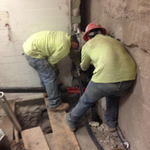
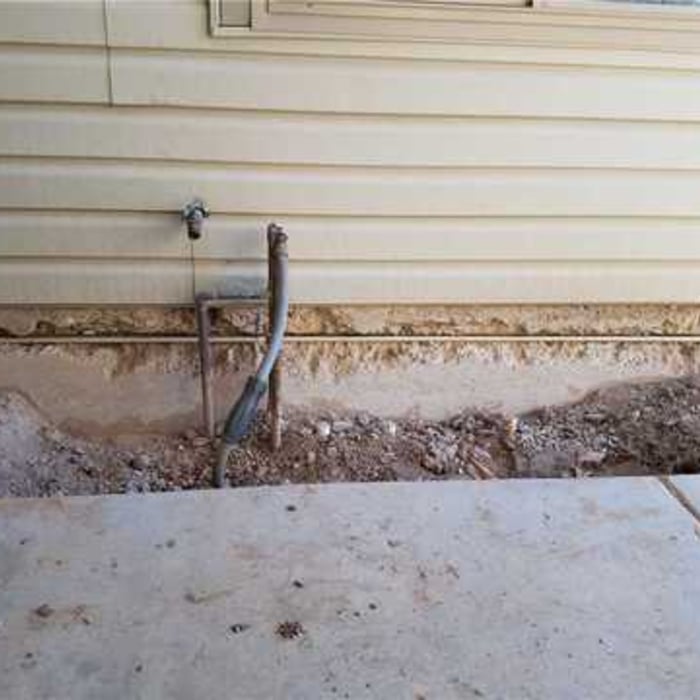
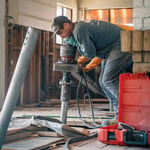
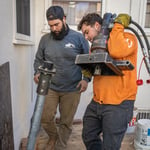
"Alex and Donavan were very thorough. Discovered more than what we called them for. We originally wanted information on sealing cracks to eliminate cricket infestation coming through cracks in stem wall. We were not interested in repairing foundation rebar which is typical in slab homes in AZ. They were knowledgeable and honest in their evaluation of our home."
"Hector was very professional in providing estimates and answering question during during the survey. I would recommend him to others that might be considering similar services."
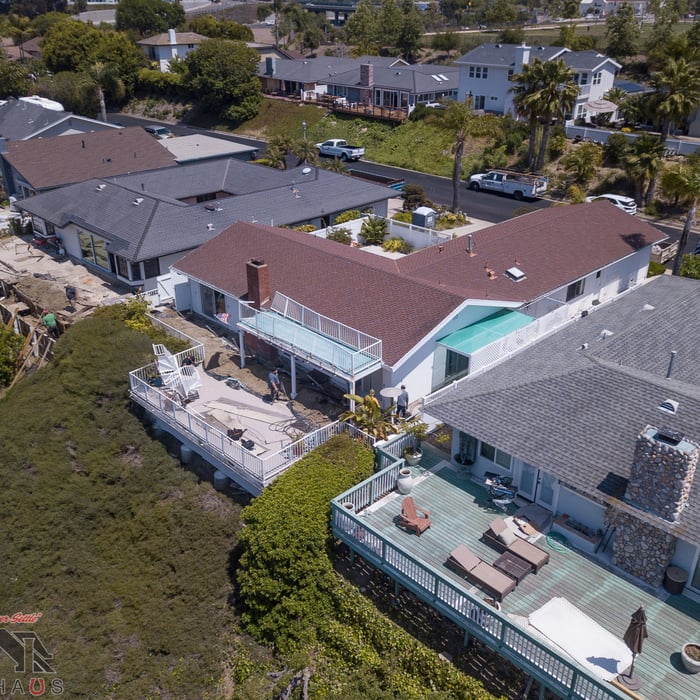
"I hired Dalinghaus Construction to install two push Piers for a freestanding column/wall (bad clay soil causing movement). I meet with Kevin to go over the scope of work and he explained everything in detail. The price was the best I can find. Took one extra day to finish the work, but they did not charge me any additional fees. 3 month later, I had a feeling that the column/wall is moving again and call Kevin. He show up in a few days and show me there is no way that wall is still moving and he was right. They are very good at what they do and customer service is the best. Thank you very much."
"Q" Diamond Concrete has been in business since 1995. We specialize in residential concrete, including foundation work, driveways, patios, walkways, as well as stamped concrete. We have experience in large custom homes, tracts of new homes, additions and remodels. We also install faux flagstone on patios and walkways. We take great pride in our work for 100% customer satisfaction.
Many contractors offer warranties for their work. Confirm terms before starting the project.
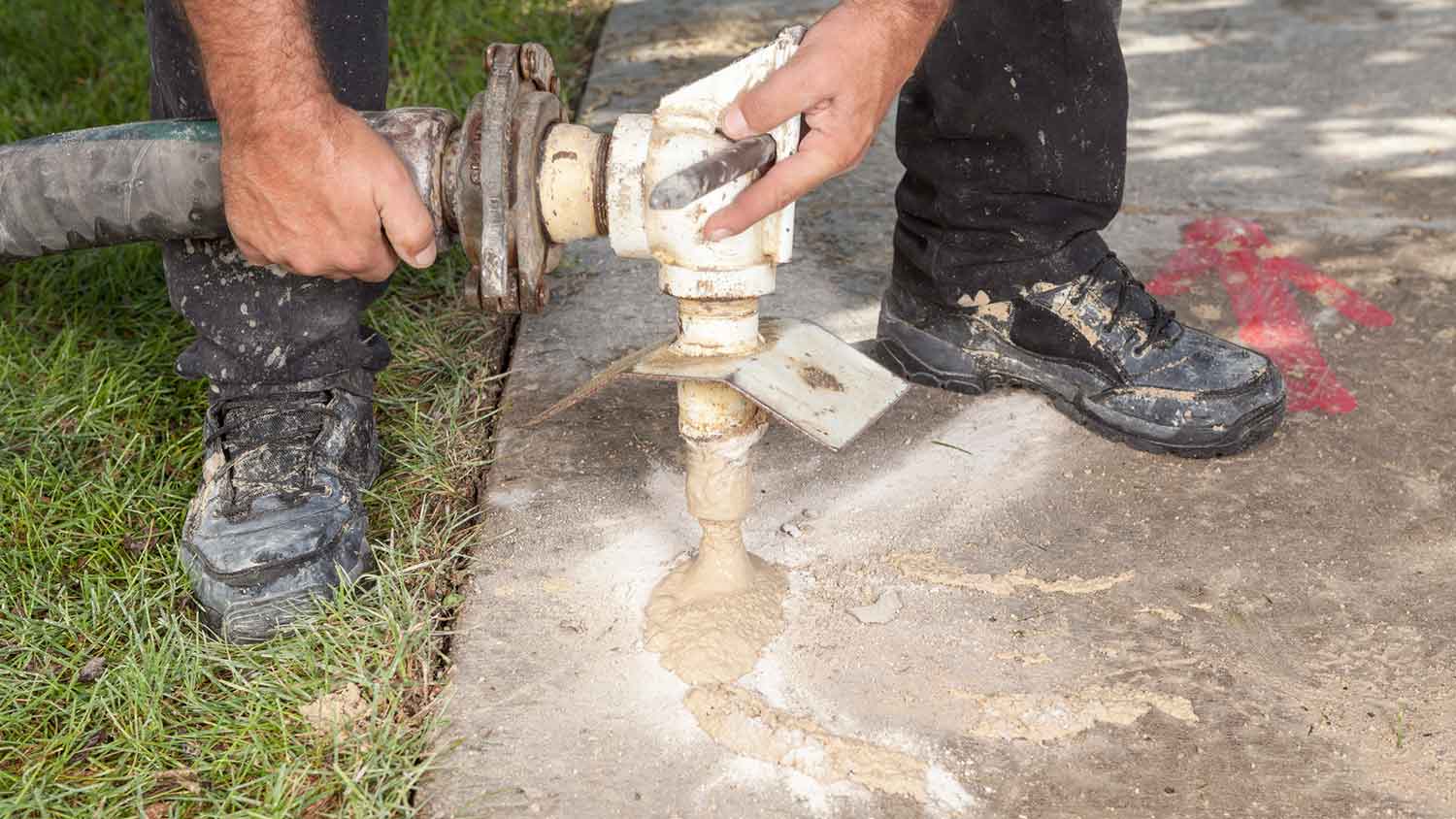
It’s best not to perform mudjacking in the winter unless the ground temperature remains above freezing. Freezing temperatures can cause the slurry to harden too quickly, compromising its strength and longevity. Concrete is also more susceptible to cracking and splitting in cold temperatures, so there’s a higher risk of damaging the slab during the drilling and lifting process in winter.
Most projects take 1-3 hours, with immediate usability after completion.
There is no real alternative to underpinning, although mudjacking and polyjacking are other repair methods that can add support from underneath your foundation. Rather than placing supportive piers under your structure, these involve pumping a material under your slab to lift a sunken section back into its original position. Polyjacking, in particular, is sometimes a suitable solution for stabilization issues under slab foundations, but underpinning is often accepted as the best and most permanent solution.
Concrete leveling can last anywhere from five to 10 years or more, and in some cases, it can be a permanent solution. The longevity depends on the method used and whether the underlying cause of the sinking is addressed. For example, mudjacking typically lasts five to 10 years, while polyjacking can last for 20 years or more. It's best to consult a professional for an accurate timeline based on your specific situation and any factors that could cause the issue to recur.
The Leupp, AZ homeowners’ guide to concrete leveling services
From average costs to expert advice, get all the answers you need to get your job done.
Learn about concrete leveling and how it can fix uneven surfaces, from sunken sidewalks to uneven driveways, and boost your home’s safety and curb appeal.